Unregistered projects in Chandigarh to face RERA action

RERA had issued a public notice giving one month to owners of all real estate projects in Chandigarh being undertaken without requisite registrations
With the one-month deadline for registering real estate projects now over, the Real Estate Regulatory Authority (RERA) of Chandigarh has decided to initiate suo motu action against the violating builders.

On June 23, RERA had issued a public notice giving one month to owners of all real estate projects being undertaken without requisite registrations. The notice stated that they will have to pay up to 10% of the estimated cost of the project as penalty if they fail to register within a month. However, even after two months, no builder came forward for registration of their projects.

As per the Real Estate (Regulation and Development) Act, 2016, it is mandatory for all residential and commercial real estate projects, where the area of land proposed to be developed is more than 500 square metres or the number of apartments or offices proposed to be developed is over eight, to register with RERA to protect the interests of consumers and ensure speedy disposal of disputes.

However, only six projects in Chandigarh have been registered since the Act came into force. As per sources, around 15 more projects were under construction without registration.

Among the six registered projects, three are by the Chandigarh Housing Board (CHB), including the Sector 53 housing scheme, 2008 employees housing scheme and Sector 51 housing scheme. The remaining three projects include Godrej and Lifestyle Buildcon in Industrial Area, and Rajiv Gandhi Technology Park.

RERA secretary Palika Arora said, “We have already written to the UT Estate Office and Registrar Cooperative Societies to provide us the list of incomplete projects so that action can be taken.”

She said maximum constructions were going on in the rural areas of the city. Action will also be taken against carving of plots on agricultural land, Arora added.

The Real Estate Act covers all bodies (private and public) that develop real estate projects for sale to the general public. In the absence of the Apartment Act, the Chandigarh Housing Board is the only government agency responsible for construction of residential units in the city.
Source: https://www.hindustantimes.com/cities/chandigarh-news/real-estate-regulatory-authority-rera-to-take-action-against-builders-violating-registration-deadline-in-chandigarh-101693006039179.html

SC issues notices to states which are yet to establish RERA

The Supreme Court recently issued notices to the chief secretaries of Nagaland, Meghalaya, Sikkim and the Union Territory of Ladakh to give their responses on the lack of establishment of the Real Estate Regulatory Authority (RERA) in their states.

A bench of justices Sanjiv Khanna and SVN Bhatti also asked the chief secretaries of Arunachal Pradesh, Meghalaya, Mizoram, Sikkim and West Bengal, and the Union Territory of Jammu and Kashmir to file their responses on the current situation as these states have only passed the interim orders to notify the Real Estate Regulatory Authority.
“In view of the aforesaid summary/chart, we deem it appropriate to issue notice to the respective Chief Secretaries for the States of Nagaland, Meghalaya and Sikkim, and the Union Territory of Ladakh, who have yet to notify the RERA Rules or have notified the RERA Rules but are yet to establish the Real Estate Regulatory Authority,” the court observed.

“Also respective Chief Secretaries for the States of Arunachal Pradesh, Meghalaya, Mizoram, Sikkim and West Bengal, and the Union Territories of Jammu & Kashmir who have passed only interim orders notifying the Real Estate Regulatory Authority or are under process to establish,” the court stated in its August 11 order. The court added that affidavits would be filed by the chief secretaries concerned, indicating the progress made with regard to the enforcement and implementation of the Real Estate (Regulation and Development) Act, 2016, within a period of 60 days from the date of service of this order. With these observations, the court relisted the matter in January, next year.

Additional Solicitor General has submitted a chart with the heading “Real Estate (Regulation & Development) Act, 2016 RERA – Implementation Progress Report”. According to the chart, all States/UTs have notified rules under RERA
except Nagaland, which is in the process to notify the rules.

32 States/UTs have set up Real Estate Regulatory Authority. Ladakh, Meghalaya and Sikkim have notified the rules but have yet to establish the authority while 28 States/UTs have set up Real Estate Appellate Tribunal. Arunachal Pradesh, Jammu and Kashmir, Ladakh, Meghalaya, Mizoram, Sikkim and West Bengal are in the process of establishing the same, the chart indicated.

The regulatory authorities of 30 States/UTs have operationalised their websites under the provisions of RERA. However, the ones in Arunachal Pradesh and Manipur are in the process of being operationalised. The chart also said that 1,09,308 real estate projects and 77,704 real estate agents have registered under RERA across the country. 1,11,222 complaints have been disposed of by the Real Estate Regulatory Authorities across the country, the chart said.
Source: https://realty.economictimes.indiatimes.com/news/rera/sc-issues-notices-to-states-which-are-yet-to-establish-rera/102818538

Retired IAS Sanjay Bhoosreddy becomes UP RERA Chairman

A new chairman has been appointed in the Uttar Pradesh Real Estate Regulatory Authority (UP RERA). The government has appointed retired IAS Sanjay Bhoosreddy as the chairman of UP RERA.

Retired IAS Dimple Verma has been appointed as member, RERA. Dimple Verma is the wife of Prashant Kumar, Special DGP, Uttar Pradesh.

Selection committee meeting was held in Prayagraj
A three-member committee headed by the Chief Justice has been constituted for the selection of the chairman and members of RERA. In this, Additional Chief Secretary Nitin Ramesh Gokarn and Principal Secretary Justice Pramod Kumar Srivastava were included as members.

In the meeting of this committee, the process was completed by calling and interviewing each and every member who applied for both the posts. After this, the committee sent its recommendation to the government.

The applications of about 23 people for the post of president and about 26 for the post of member were placed before the committee. Many former officers have applied for both the posts.

There were more than 30 contenders for the post of president and member
A meeting of the selection committee was held in Prayagraj on last Saturday for the selection of one post of chairman and member of UP RERA. The meeting, chaired by Justice Manoj Gupta, nominated by the Chief Justice of the Allahabad High Court, considered about three dozen names who had applied for the post of chairperson and one member.

Among them former Chief Secretary RK Tiwari, Sanjay R. The names of several former senior IAS officers including Bhoosreddy, T Venkatesh, Dimple Verma and Aradhana Shukla also figure in the list. After the meeting, the envelope containing the recommendations of the committee was sealed and sent to the Chief Minister.

Source: https://news24online.com/cities/delhi-ncr/retired-ias-sanjay-bhoosreddy-becomes-up-rera-chairman-prn/158952/

Rajasthan Rera Revises Registration Fees For Plotted & Commercial Schemes

Real estate developers have to pay more from August 1 for registering their plotted and commercial schemes under Rajasthan Real Estate Regulatory Authority (RERA) as the authority has increased fees.

As per the RERA rule, if a promoter proposes to develop a project comprising nine or more plots, on a piece of land having an area of more than 500 square metre, then the project is liable to be registered under RERA.

Now, the RERA has revised the registration charges and fixed Rs 10 per square metre as standard fee.

RERA registrar has issued an order in this regard and the new regulations will be applicable on the schemes from August 1. “The current registration fee for plotted development projects on residential plots is Rs 5 per square metre. For commercial, industrial, and mixed-use plots, it is also Rs 5 per square metre. However, now the authority has decided to introduce a standard fee in addition to this registration fee. This standard fee will be charged at the rate of Rs 5 per square metre for residential plots and Rs 10 per square metre for commercial, industrial, and mixed-use plots.”

According to RERA sources, this standard fee will be applicable not only to schemes launched by private developers but also to schemes initiated by government agencies, such as municipalities, Urban Improvement Trusts, development authorities, Rajasthan State Industrial Development and Investment Corporation and housing boards.

Source: https://www.rprealtyplus.com/news-views/rajasthan-rera-revises-registration-fees-for-plotted-commercial-schemes-111622.html

RERA brought transparency in Real Estate Segment: MahaRERA Chairman

The introduction of RERA has not only brought transparency in the real estate segment but also made timely completion of projects a buyers’ right, averred Ajoy Mehta, IAS and chairman, MahaRERA, on Saturday.
Speaking as a chief guest at the special general body meeting of CREDAI Pune Metro here, he said, “In projects launched pre-RERA, MahaRERA has had received complaints against 23 per cent of the projects, whereas in projects launched post RERA, complaints have been received against 3-5 per cent of projects only.”

Emphasising the benefits of RERA, he informed that “Before RERA came, there was a lack of transparency in the real estate sector. The buyers did not even know if the developer had all the necessary permissions to start the project. Timely completion was a privilege earlier, not a right. However, post the introduction of RERA, it is a legal right.” Mehta further said that a regulatory body like RERA was needed for the real estate sector because of its sheer magnitude of scale in terms of customers and financials.

“Almost 60 per cent of the resources of middle-class home buyers are utilised for buying a home. Today, in Maharashtra, about 14 lakh home buyers are waiting for the delivery of their homes. The investments that have gone in these projects are to the tune of Rs 1.6 lakh crore,” he added. Mahesh Pathak, IAS, member 1 MahaRERA, office-bearers of CREDAI Pune Metro including Ranjit Naiknavare newly elected president, Shrikant Paranjape, Manish Jain, Ashwin Trimal and Aditya Javdekar were also present on the dais on the occasion. While, representatives of other associations related to real estate and about 200 members of CREDAI Pune Metro were present for the meeting.

Source: http://www.uniindia.com/rera-brought-transparency-in-real-estate-segment-maharera-chairman/business-economy/news/3020595.html

MahaRERA issues notices to 563 developers for non-compliance in project detail uploads; Pune tops the list

Real Estate regulator Maharashtra Regulatory Authority of India (MahaRERA) has issued notices to 563 real estate developers in Maharashtra warning of cancellation of their registration owing to non-compliance of uploading details on the website of MahaRERA for the homebuyers.

Out of the total 563 developers, Pune tops the list with 124 developers being non-compliant despite being issued notices earlier.

Background

The MahaRERA had in May 2023, issued notices to around 746 developers for non-compliance of uploading quarterly progress reports and other project details including financial disclosures on the website of the MahaRERA. Out of the 746 developers, 183 developers complied and uploaded details.

However, according to MahaRERA, 563 developers have not complied by not uploading details in the public domain despite receiving notices.

Warning notice giving 45 days:

“If the required information is not updated and responded within 45 days, the registration of the project will be canceled and all transactions like bank, construction, new registration of the project will be stopped,” the MahaRERA said in a statemen issued on July 18.

The notice issued by MahaRERA to developers reads, “You have chosen not to comply with the above-referred provision of Section 11(1) of the Act despite issuance of service of the notice. Please note that, if you fail show cause within the time period of 45 days mentioned herein, necessary orders as deemed fit shall be passed by the Authority entirely at your risk as to cost and consequences.”

Under the RERA Act, developers are required to submit project status, the financial position of the project, booking numbers, annual reports and other details.

Where are the projects?

According to a list shared by MahaRERA, out of 563 developers who have not complied, maximum non-compliant 124 developers are from Pune district, 98 in Nashik district, 71 in Thane district, 48 in Nagur district and 38 from Mumbai etc.

Non-compliance ratio

On February 18, Moneycontrol reported MahaRERA’s statement of around 75 to 80 percent of ongoing registered projects in Maharashtra not regularly uploading quarterly progress reports on the project status and finances.

Sanjay Deshmukh, Nodal Officer for MahaRERA’s lapsed project vertical, during a panel discussion on February 17, had said, “As per the RERA Act, a developer is supposed to submit quarterly and annual reports. However, for about 75-80 percent of the ongoing projects, quarterly reports were not uploaded. We have issued notices and developers have begun the compliance process.”

Source: https://www.moneycontrol.com/news/business/real-estate/maharera-issues-notices-to-563-developers-for-non-compliance-in-project-detail-uploads-pune-tops-the-list-10982511.html

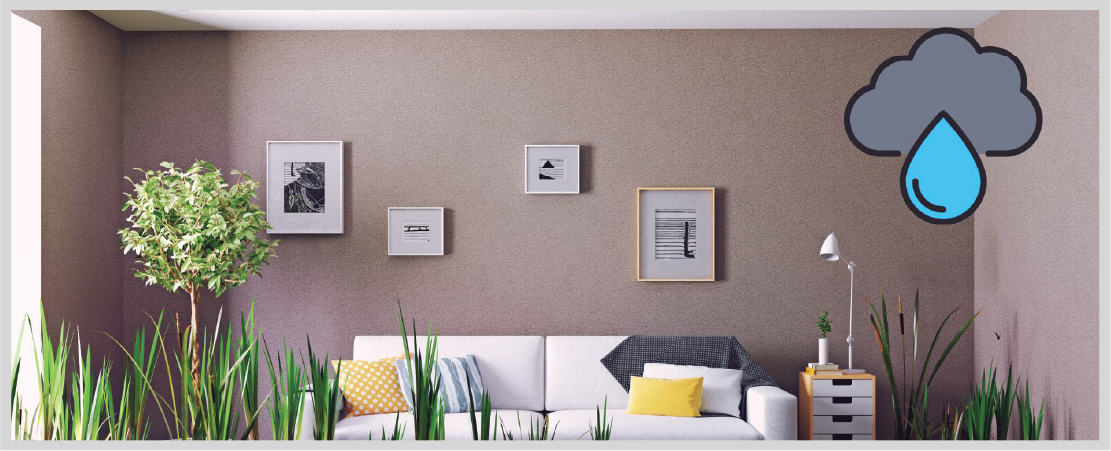
Dealing Your Home With Monsoon | This Checklist Might Help Protecting Your Home from Rainy Season

Rainy season brings pleasant weather, but it can also bring a series of problems if your property (home, office, etc) is not ready to handle the negative effects of this weather.

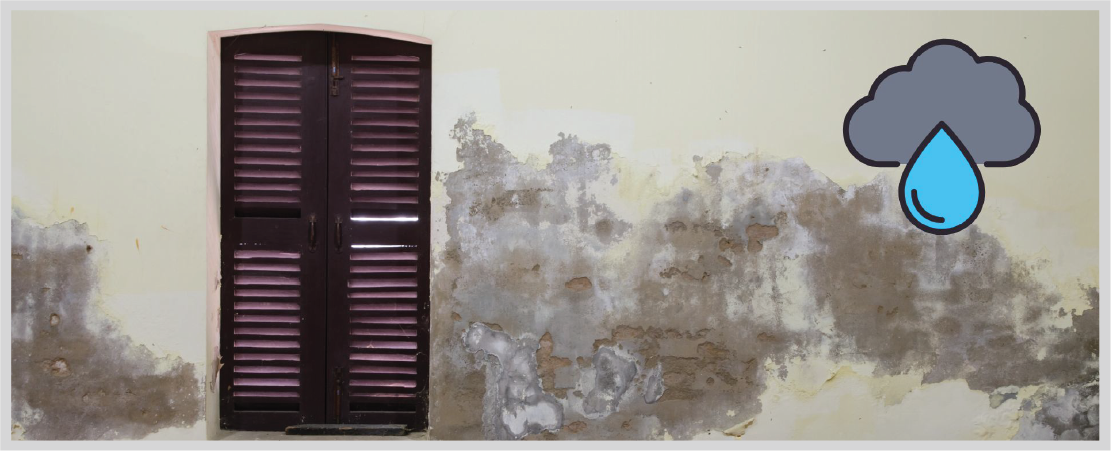
Although the monsoon season is one of the best seasons of the year, it also brings plethora of small and big problems for your property & health. From mold and fungus to roof leaks and damp walls, this season is all about trying to keep the inside and outside of our home in a decent & dry condition. As prolonged exposure to water can result in dampness, peeling paint and unhealthy living conditions, it is recommended to make sure that your house is well-equipped to deal with the rainy season.

Significance of Monsoon Home Care

With the onset of monsoon, there is an unusual odour in the home, garden and wardrobes, which can be a complete turn-off. Different types of insects and pests surface, making life difficult.

The monsoon season can be intimidating as it brings along unpleasant odors, mosquitoes, flies, pests, moss, molds, and fungus into our homes. It also exposes us to air-borne and water-borne diseases, posing significant health risks. Suddenly, our positive atmosphere diminishes, and worries take over, leaving us with limited options. Hence, it is crucial to be cautious during the monsoon and prioritize the well-being of our home to effectively tackle the challenges brought by the rain. Ultimately, a healthy home is essential for fostering a happy environment for its inhabitants.

During the monsoon season, home care becomes crucial for several reasons

  • Protection from Water Damage: Monsoon brings heavy rainfall, increasing the risk of water damage to your home. Proper home care measures are crucial in preventing water intrusion, leaks, and flooding that can compromise the integrity of your property.
  • Preservation of Structural Integrity: Continuous exposure to moisture during the monsoon can weaken the structure of your home, leading to cracks, decay, and other structural issues. By implementing preventive measures, you can maintain the strength and durability of your property.
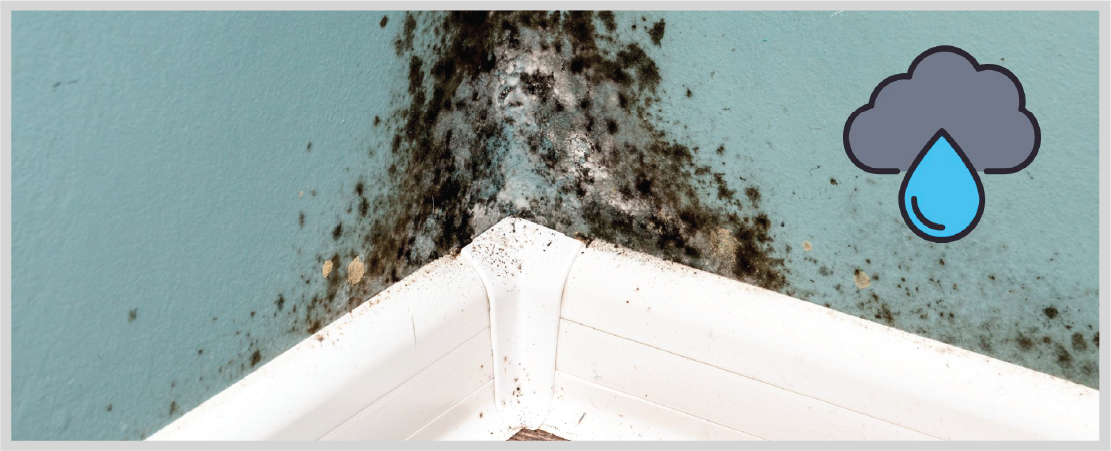
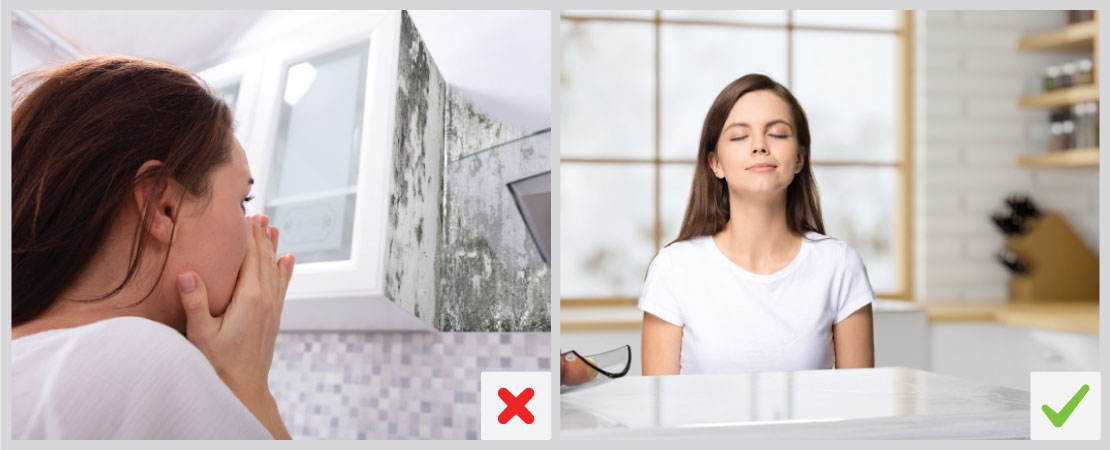
  • Management of Humidity and Mold Growth: The high humidity levels during the monsoon create an environment conducive to mold and mildew growth. Effective home care practices, including ventilation and moisture control, help prevent the proliferation of these harmful substances and ensure a healthier living environment.
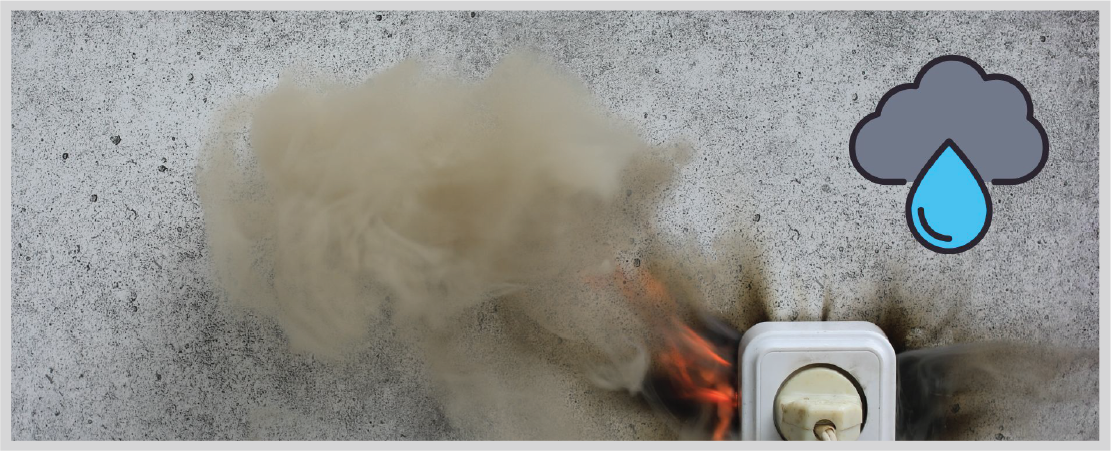
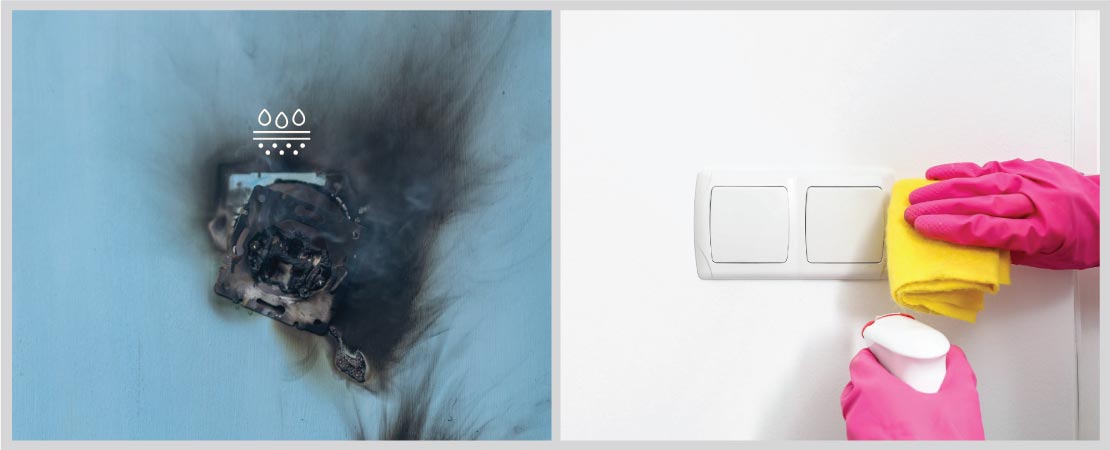
  • Ensuring Safety: Water and electricity pose a significant risk when combined. With increased moisture and the potential for leaks, electrical safety becomes paramount during the monsoon. Taking proper precautions and addressing any electrical issues, helps prevent hazards and promotes a safe living space.
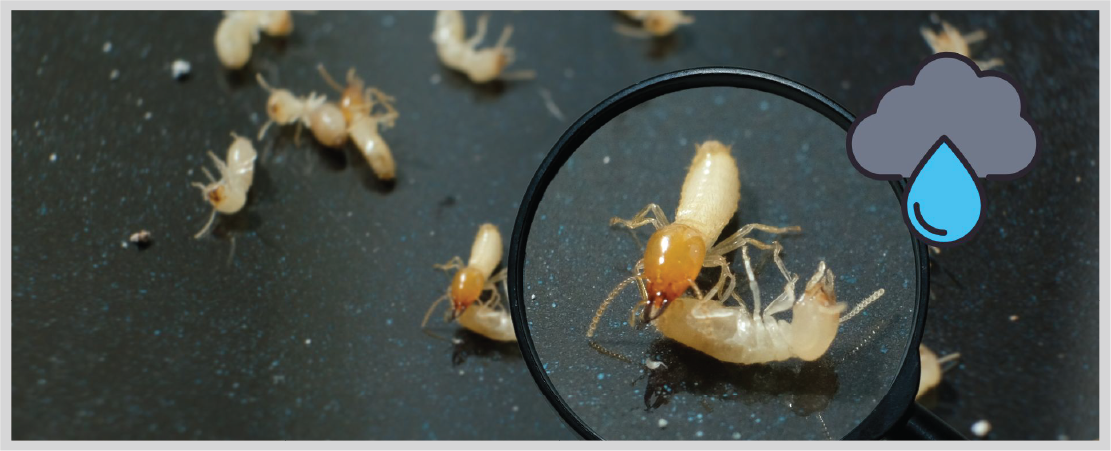
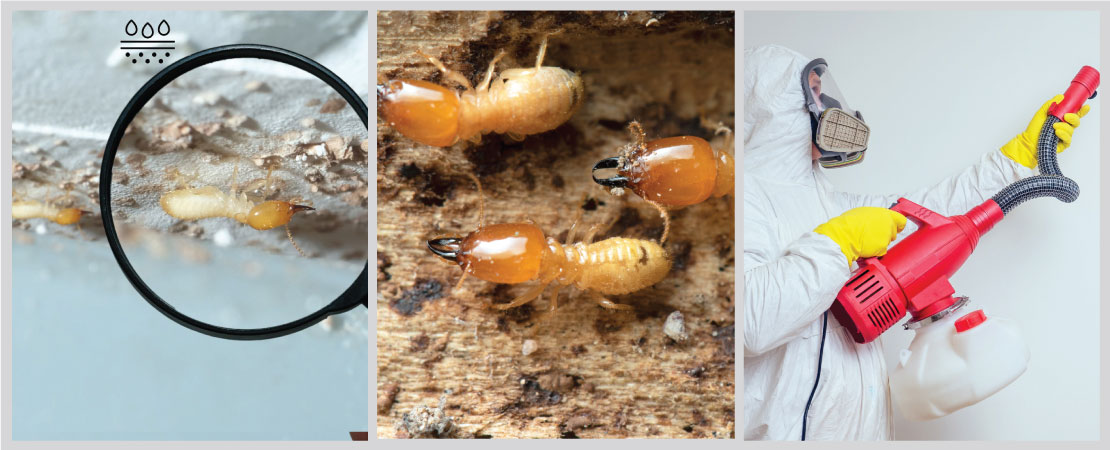
  • Pest Control: Monsoon provides favorable conditions for pests like mosquitoes, termites, and rodents to thrive. Implementing pest control measures, such as sealing entry points, eliminating standing water, and keeping surroundings clean, is essential to prevent infestations.
  • Preserve Indoor Air Quality: The monsoon season can lead to poor indoor air quality due to increased moisture, mold, and allergens. This can cause respiratory problems, allergies, and other health issues.
  • Enhancement of Comfort and Well-being: Taking care of your home during the monsoon promotes a comfortable and safe living environment. It reduces stress, creates a sense of well-being, and allows you to enjoy the rainy season without worrying about potential damages or health hazards.
  • Understanding the significance of monsoon home care and implementing the appropriate measures ensures the protection and well-being of your home and its occupants throughout the rainy season.

    Essential Checklist for your Home in this Monsoon

    Rains bring in so much relief from the summer heat, but, with it also comes, humidity, seepage and other problems. As monsoon has arrived, we are ready with our checklist for your property. You would be happy to note that this checklist can be used to reduce/ prevent the Pre & Post Monsoon effects. Use the checklist below to make sure that you won’t have to worry about the problems when the rain hits your home / office.

    Following is the checklist for your property care:

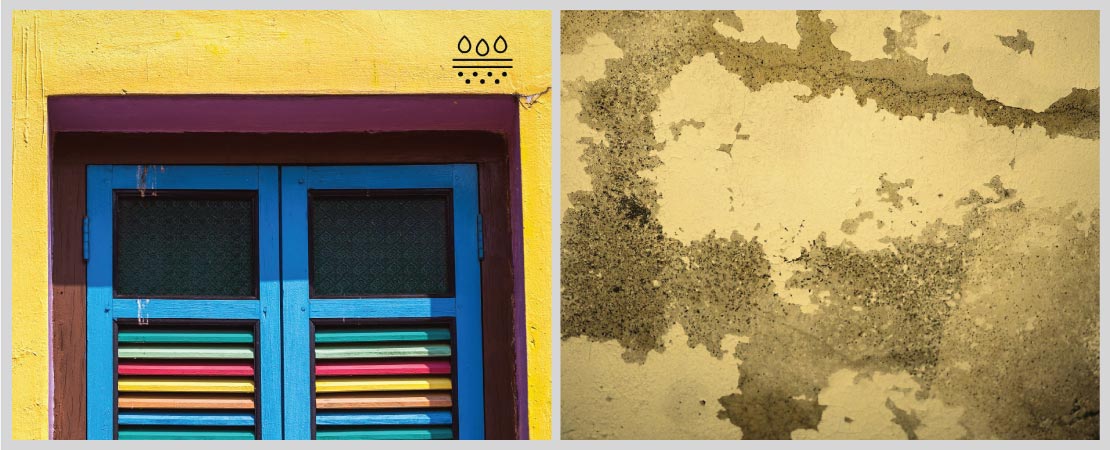
    1. External walls to be checked for any cracks: Check the external walls for crack. Due to this, rainwater and moisture will enter wall surface thereby affecting adjacent / in-house wall surface and will weaken the integrity of associated elements.

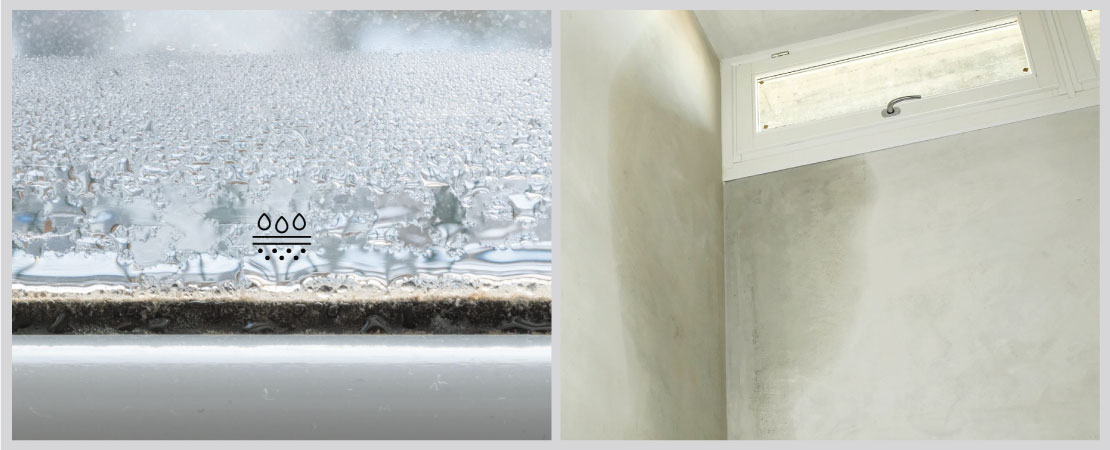
    2. Check the gaps around window: Most common damage inside homes / offices occur due to water seepage from the gaps between window frame & external wall. Gap will be a source for rainwater to flow inside the home. These gaps can become entry points for rainwater, leading to moisture intrusion, paint deterioration, and wall damage. Properly fill and seal these gaps to prevent water seepage.

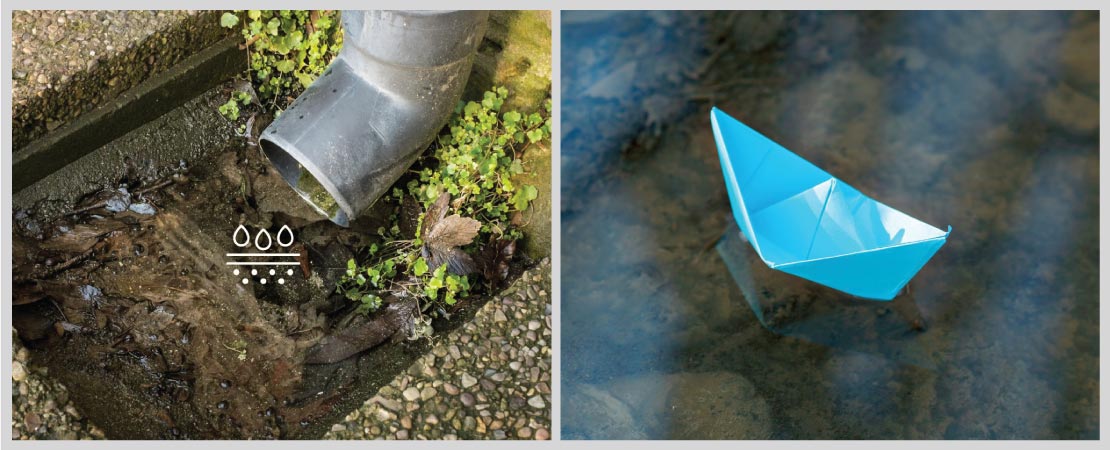
    3. Check blockage in drain pipe outlet at Roof and Balcony: Check and clear any blockages in the drain pipe outlets on your roof and balcony. This will prevent water from accumulating and causing stagnant water conditions.

    4. Check Electrical fittings to ensure Safety: Negligence in maintaining electrical wiring can be fatal, or at least it will force you to live without power in the monsoon due to breakdowns.

    Damaged electrical sockets and wiring should be addressed before the onset of the rains. For more details, refer to our electrical safety tips for monsoon.

    It is better to get things inspected properly by the home inspection professionals. They can rule out the shortcomings and take up repairs accordingly as part of your monsoon precautions.

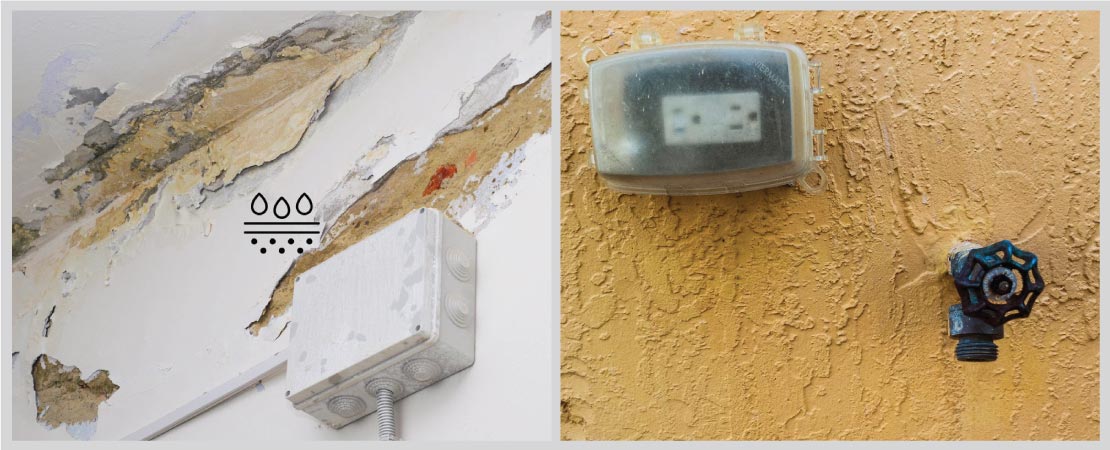
    Apart from this, check the outside electrical switches if they are exposed to rains to avoid electrical accidents. Cover them using splash guard to stop penetration of rainwater to avoid electric shock.

    5. Fix Dampness / Seepage problem in areas with electrical fitting: Always try to avoid the dampness or seepage problem in your home/ office especially the areas with electrical outlets like electrical system and switches. These can lead to electrical hazards at your home/ office.

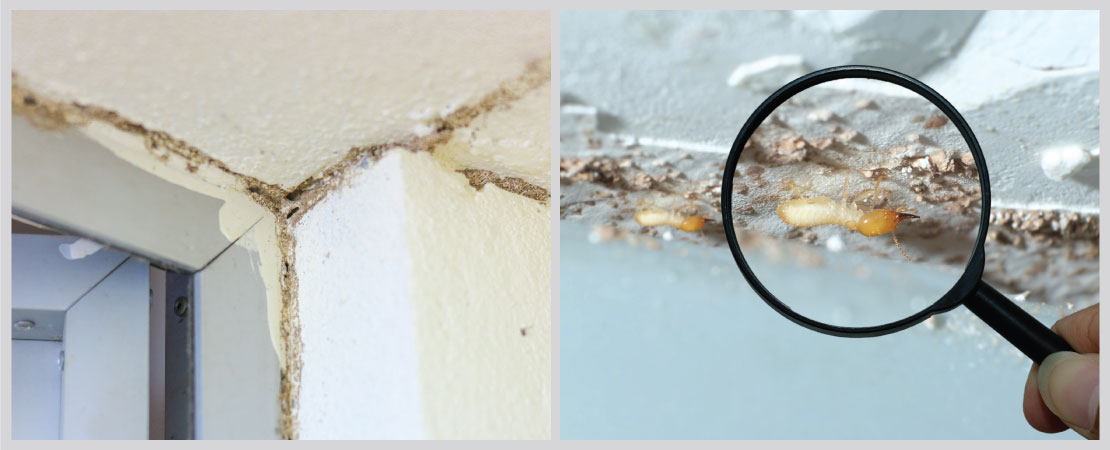
    6. Address termite infestations: Termite infestation is a major problem where high humidity / moisture exist. As the rainwater creates moisture, if not treated at the right time, it can lead to increase in termite infestation. So it is important to check them and get rid of it as soon as possible.

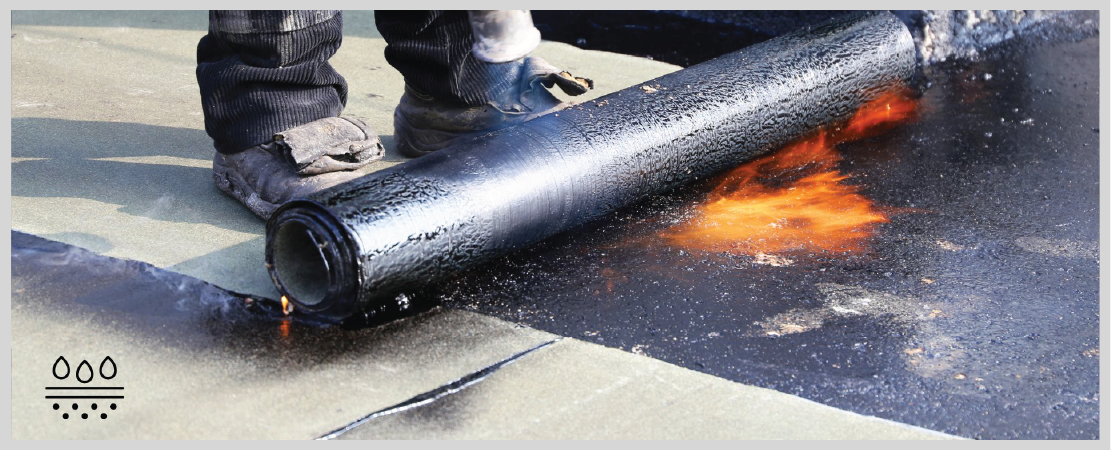
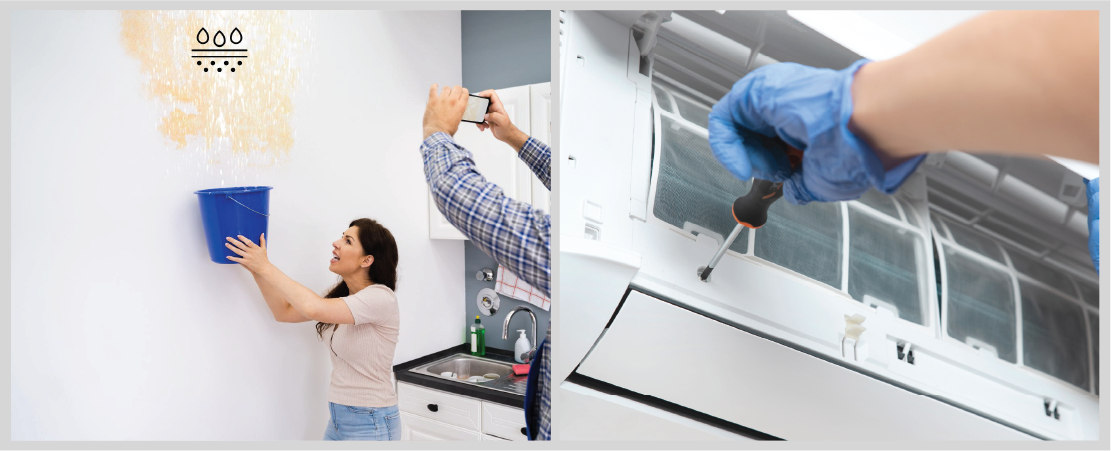
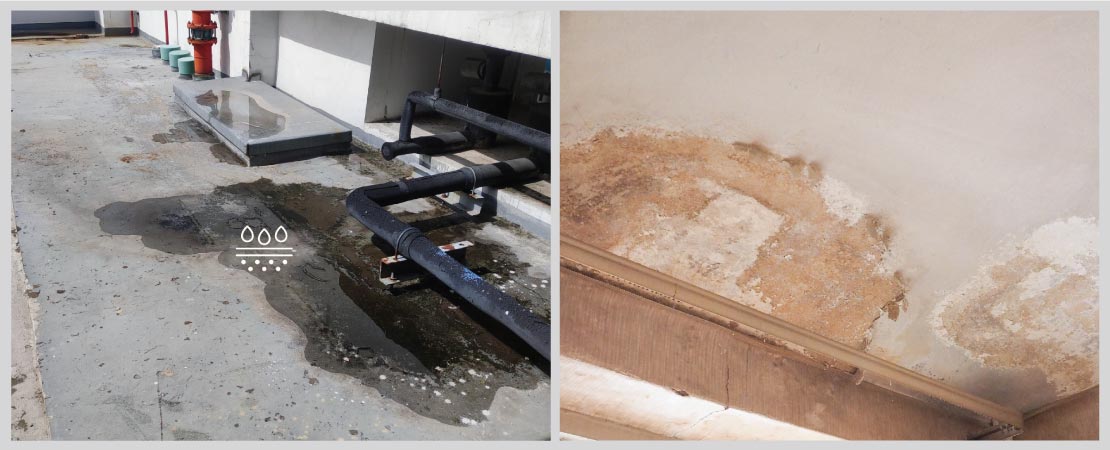
    7. Check for leaks in roofs: Check your roof or terrace floors for any leakage and get it fixed as soon as possible before it damages the associated/ attached area. This can happen due to various reasons that will depend on the type of flooring condition.

    8. Check the waterproofing condition at Roof: It is important to check condition of waterproofing on the roof/ terrace before rainy season to avoid significant damage to property due to moisture. Spring is the best season to perform outside home/ office improvements especially waterproofing at roof.

    9. Check your Air Conditioner for any leakage: Air conditioner should be checked for any possible leakage to avoid increase in moisture content. Further, AC drain line cleaning & setting AC as per weather will also help.

    10. Assess the surroundings: Look for any tree branches or vegetation leaning against your roof or walls. Trim or cut them to avoid potential damage during heavy downpours.

    11. Watch for signs of moisture or dampness: Keep an eye out for visual signs of moisture or dampness, especially on ceilings and walls. Stagnant water on the roof can lead to moisture intrusion, so early detection is crucial.

    12. Check the water pockets in roof and balcony: If there is any slope problem, then there are chances of water pocket occurrence in roof and balcony especially around drain outlets.

    13. Exterior wall Condition: It is important to check the condition of external wall. There are chances of presence of algae, fungus or paint deterioration, which can further lead to spreading of moisture in internal areas of house.

    14. Check the areas of wall junction with door: If sealant or any other filling material is deteriorated at sliding door frame of balcony / terrace and wall, there are chances of moisture spreading intruding from these areas. So it is important to check the areas of wall junction with doors as well.

    By following this checklist, you can proactively address potential issues and protect your property from the challenges brought by the monsoon season.

    Apart from this, you can also read our blog on Home care solutions during Monsoon

    Conclusion

    While the monsoons give us endless reasons to like them, they also tend to damage both the exteriors and interiors of our property. It is important to inspect your home or any other property before & after the monsoon so, that the problems can be rectified as soon as possible before they get increased in their magnitude.

    Assam RERA Mulls Starting Grading System For Real Estate Projects

    GUWAHATI: The Maharashtra Real Estate Regulatory Authority (MahaRERA) has decided to implement a grading system for housing projects across the state. The initiative aims to empower homebuyers in filtering out unprofessional developers while providing them with a better understanding of project suitability and quality. Along similar lines, the Assam Real Estate Regulatory Authority (RERA) is also contemplating starting the grading system in Assam.

    A senior official of RERA said, “According to the guidelines prepared during the formation of RERA, starting grading system for real estate projects is one of the most important responsibilities for the body,” adding that the body now is contemplating to start the grading system and for the purpose an “analysis” is ongoing.

    The official further opined that before RERA it would have been great if the state government could have formulated a policy which could have started “marking” the real estate projects.

    The official said that to start the grading system various aspects of the projects will have to be studied. The study for grading will include a project overview, technical snapshot, financial details, and legal snapshot, said the official adding that the system have to consider the promoters’ compliance track record, legal litigations, project finance quality, amenities, the status of statutory approvals, booking percentage, financial and legal encumbrances, and audit certification, among other criteria. “Such information is typically inaccessible to homebuyers or rarely provided by builders,” said the official.

    The official said that RERA receives maximum complaints regarding parking and visitors parking in apartments. “There should be 25% of parking space in any apartment allotted to visitors,” said the official and selling parking space is not legal. He stressed that once the grading system starts, all these issues will be easily taken care of.

    The official questioned the process by which authorities like Guwahati Metropolitan Development Authority (GMDA) and Guwahati Municipal Corporation (GMC) issue permissions as according to the official many projects across Assam “violate” building bye-law norms.

    The introduction of the grading system aims to assist homebuyers in making more informed decisions said the official by considering factors like financial risk, legal risk, technical risk, and timely completion risk, adding that potential investors can better understand the projects they are considering to buy.

    The Assam RERA official said that if the grading system starts in Assam, the process vsill be very transparent and public opinion on the grading system will be taken before starting the process.

    In Maharashtra, the grading process is scheduled to commence between October 2023 and March 2024. Initially, all projects registered from January 2023 onwards will undergo grading. Subsequently, the Maha RERA authorities plan to establish a matrix for grading promoters. The first round of grading results is expected to be announced on April 20 next year.

    The Assam RERA official said that global examples of successful grading systems in Singapore, Australia, and Dubai have resulted in a better real estate environment there and the grading system in Assam also ensure better projects.

    The officials are now studying all aspects of the grading system and a decision be made in a couple of months.

    Source: https://www.guwahatiplus.com/assam/assam-rera-mulls-starting-grading-system-for-real-estate-projects

    Builder & Buyers to Finish Project Stuck Since 2014

    NOIDA: The developer and homebuyers will come together to complete 985 flats in a housing society that has hardly seen any development in the past decade.

    The move follows an order by UP-Rera to allow the developer of Antriksh Sanskriti and the association of allottees to jointly complete the first phase of the project under its watch. Off NH-9 in Chhajarsi village, Sanskriti was launched in 2010 and was to have 1,600 flats across three phases.

    The project, however, has been stalled since 2014, with 985 flats yet to be constructed in the first phase itself. While the registration of phase 1 lapsed in April 2019, those of phases 2 and 3 were revoked by the Ghaziabad Development Authority (GDA) in June last year over mounting dues.

    According to a plan submitted to Rera during the hearing, Rs 227 crore may be used to complete the three phases of Sanskriti. A total of Rs 328 crore is expected to be raised from the project — a contribution of Rs 20 crore from the promoter upfront, Rs 67 crore receivables from existing allottees and Rs 241 crore from the sale of flats.

    Rera has asked the developer, Antriksh Realtech, and Antriksh Sanskriti Welfare Association (the association of allottees) to complete the project by June 2025.

    The regulatory authority has laid down a few strict conditions so that the project is completed in time. For instance, the association will have to enter into an agreement with the promoter and submit a copy to Rera within 15 days of the order. The association will also have to submit details of its office-bearers, the consent of at least 50% of the allottees and the complete project plan.

    In terms of funds, the developer will have to deposit Rs 20 crore upfront in a separate account. Of that, Rs 9.2 crore will have to be paid to GDA and the remaining amount could be used to start construction.

    A committee under UP-Rera chairperson T Venkatesh will monitor the progress of the project.

    “Once the promoter clears the dues, GDA will allow the project to be developed. After that, we will have to get the layout sanctioned once again. If all goes according to the plan, we hope to start construction by the middle of August,” said Jiten Kumar Dalai, the president of the association.

    It was in 2017 that the buyers moved Rera regarding the delay in handing over flats. Last year, the association submitted a plan to complete the remaining flats. Rera then considered the proposal for the buyers and Antriksh Realtech to jointly construct the project.

    Rakesh Yadav, the director of Antriksh Realtech, said the project was still viable and they would complete the work within the time frame. “Altogether, 1,600 flats are supposed to be built across three phases, with 985 in the first one,” he added.

    RD Paliwal, conciliation consultant at Rera, said, “The project is moving in the right direction with collaborative approach of all stakeholders. The parties should abide by their commitments to complete the project in time.”Rera chief Venkatesh said Sanskriti was the 17th such project in the state where the developer and buyers had come together to complete it. “We are examining the possibility of facilitating the completion of more such projects.”

    Source: https://timesofindia.indiatimes.com/city/noida/builder-buyers-to-finish-project-stuck-since-2014-/articleshow/101586264.cms

    Importance of Moisture / Damp Inspection: Protecting Your Property & Health

    Introduction:

    When it comes to maintaining a healthy and safe living environment, addressing dampness in your home is of utmost importance. Dampness can lead to a range of issues, including mold growth, property damage including structural, and human health risks.

    Dampness in a property is a common issue that can have detrimental effects on both the structural integrity of the building and the health of its occupants. Whether it is due to seepage, leaks, condensation, poor ventilation or due to other causes, dampness can lead to a host of problems such as mold growth, decay, and damage to the building materials.

    Conducting a damp / moisture inspection in your home is a proactive step towards identifying and resolving damp-related problems. That is why damp inspection is crucial to identify and address damp issues promptly. In this article, we will explore the significance of damp or moisture inspections in your home and the benefits it offers.

    Common problems related to Moisture in the Home

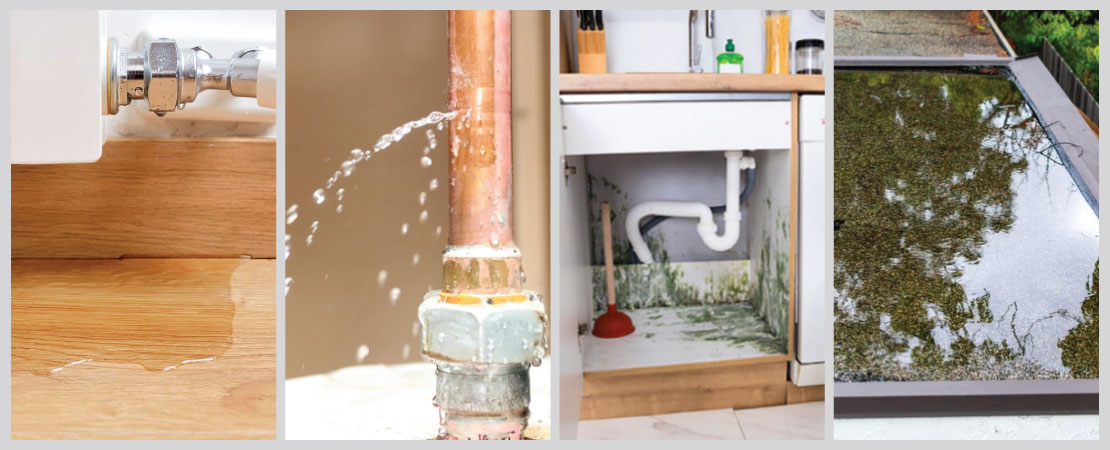
    Wet areas in your home are more vulnerable to water damage; so experienced and knowledgeable inspectors pay special attention to checking bathrooms kitchens and balconies. Some of the common problems include:

    • In bathrooms, damage to wall tiles and flooring may be caused by inadequate or poor waterproofing.
    • Leaking taps, pipes, toilets and other plumbing issues may result in significant water damage to cabinets, wall and floors. It can also percolate to peripheral areas.
    • In kitchens and other wet areas, the inspector will pay specific attention to areas underneath shelves, inside cupboards, as also the skirting along walls for signs of overflows, sinks as well as leaks arising from improper plumbing installation.
    • Absence of proper drainage or improper slope leading to water accumulation can on the roof or balcony or wet areas can lead to seepage/dampness.

    How to identify the source of dampness?

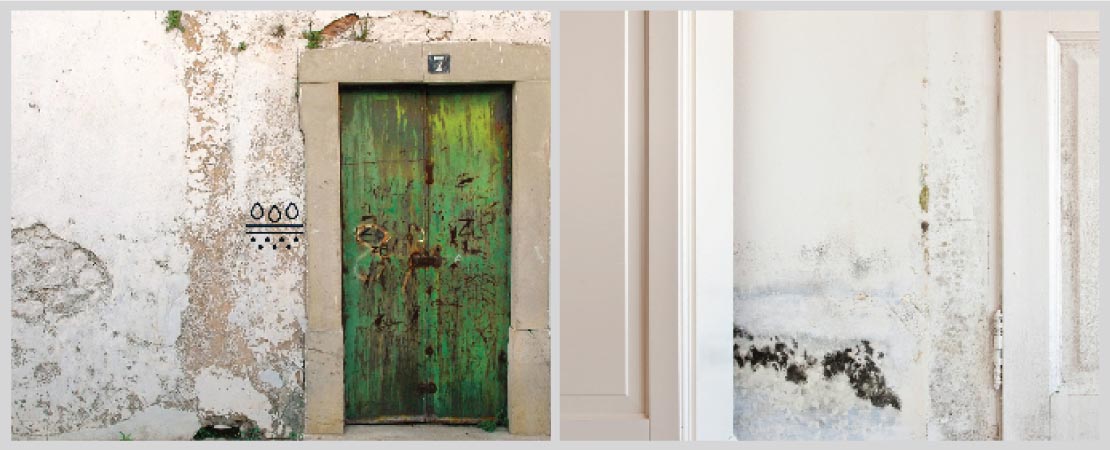
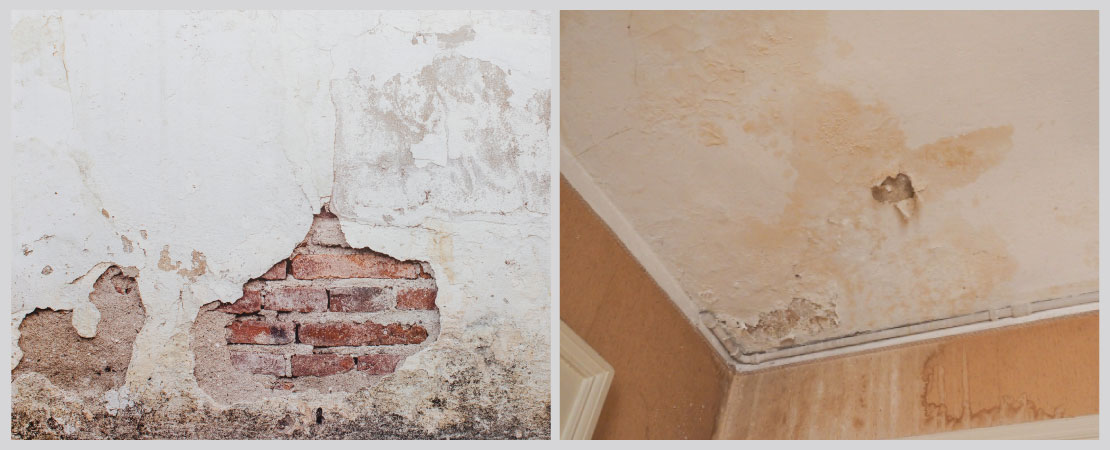
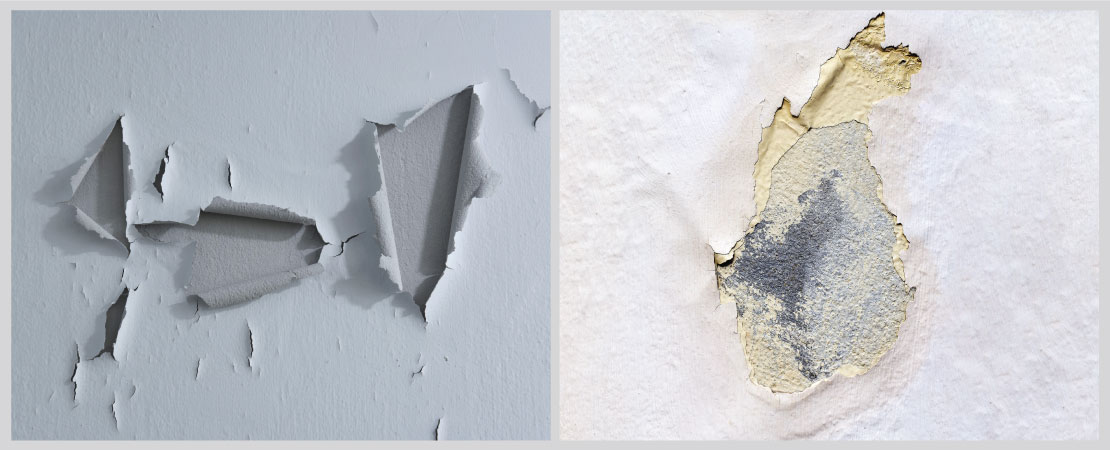
    • Damp walls feel cold to the touch; it also causes the flaking of paint and peeling off wallpaper. Additionally, mold and fungal growth form greenish-grey spots on the walls. Such wall dampness is caused by constant water leakage / seepage, maybe from the roof, leaking water tanks, or seepage from exterior walls, balcony or terrace or windows.
    • Water may seep from constant leakage from a plumbing installation or water collected on the roof or upper floor through the ceiling to cause discoloration in paint or create visible brown patches in the ceiling.
    • Areas like bathrooms, kitchens, store rooms, or closed spaces are usually not well-ventilated and are a source of A strong musty smell within these areas is a clear indication of dampness.
    • Checking the tile grout in moisture-laden areas like bathrooms and kitchens for any kind of mold growth. The mold shows the grouting’s waterproofing is not adequate and might let water seep into the floor or walls.
    • Black mold may develop around the frames of wooden and uPVC windows due to water seepage through gaps between the window frame and the wall

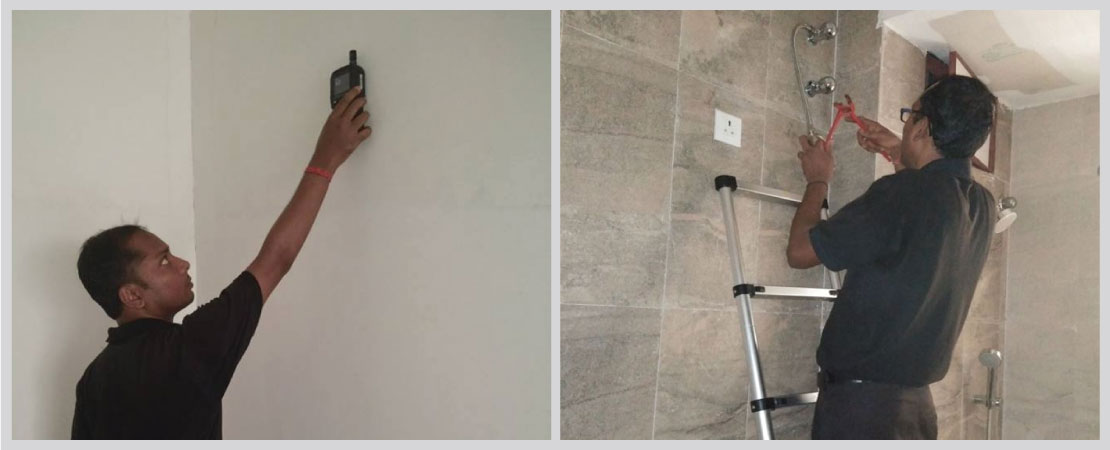
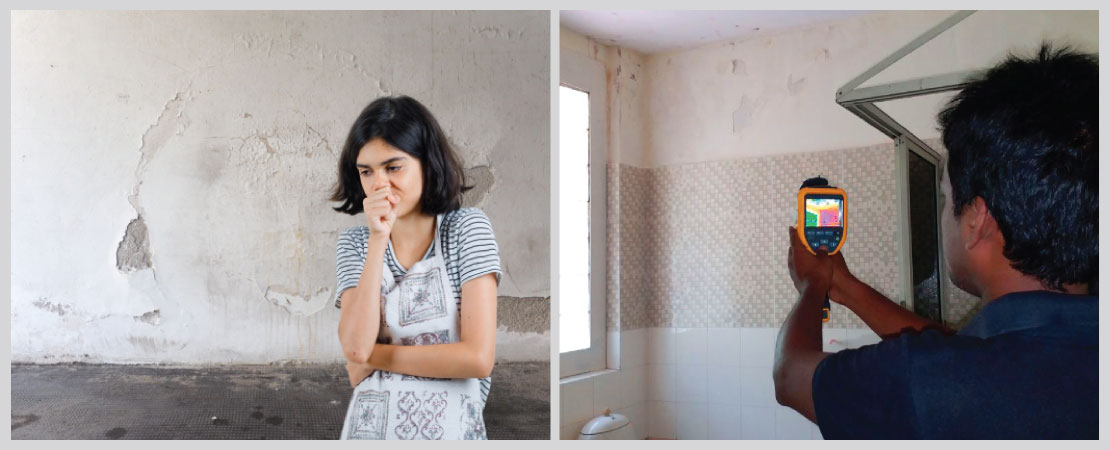
    Damp or Moisture Inspections play a crucial role in identifying the source and addressing moisture issues in your home. It detects the actual source of moisture with the help of advanced thermal imaging technology. Let us know further in detail about its advantages.

    Benefits of Damp inspection for Ensuring a Healthy and Safe Living Environment

    • Early Detection and Prevention

    One of the primary reasons to have routine / annual damp inspections is the early detection and prevention of moisture-related issues. Dampness can occur due to various factors, including leaks, condensation, or poor ventilation. By conducting thorough inspections, professionals can identify signs of dampness in its early stages before it evolves into a more significant problem. This allows us for speedy action to be taken, preventing further damage to the property and reducing the risk of costly repairs down the line.

    • Maintaining Structural Integrity

    Moisture can cause destruction to the structural integrity of a building. It can also cause electrical & mechanical damages and become grave safety issues. When dampness infiltrates the walls, floors, or ceiling, it can weaken the materials and reduce the stability of the structure. With time, this can lead to damage which not only endangers the safety of the property but also decreases its value. Moisture / Damp inspection can identify areas vulnerable to moisture damage, allowing for timely repairs and maintenance to preserve the structural integrity of the property.

    • Prevention of Health Hazards

    Dampness in a property has significant adverse impact on the health of its occupants. Excessive moisture provides an ideal environment for the growth of mold and other harmful microorganisms. These can release spores and allergens into the air, leading to respiratory issues like asthma, allergies, skin issues and other health problems. By conducting damp inspection, potential sources of moisture can be identified, and appropriate measures can be taken, ensuring a healthy living environment for residents.

    • Protecting Property Value

    As a property owner, it is essential to prioritize the maintenance and well-being of your investment. Investing in damp inspection can help you maintain the value of your property. By proactively addressing any damp issues beforehand, you can present a well-maintained and desirable property, increasing its market value and attracting potential buyers or tenants.

    • Avoiding Unpleasant Smell

    As mentioned above, untreated mold due to dampness, can create an unlikable and musty smell around your home. You may experience an unpleasant smell but not know where it is coming from; this may be because the damp patch or mold spores are hidden behind the wall or furniture or anywhere. The smell of dampness and mold can become strong and overwhelming in your home; you do not want it to stop you from having guests around or interfere with your everyday life. Luckily, with the correct damp treatment carried out by a professional, you should be able to get rid of the smell fairly easily. Just remember that when it comes to dampness, out of sight should not mean out of mind.

    • Improving Indoor Air Quality

    Dampness and mold growth can significantly degrade indoor air quality. Mold spores, along with other airborne allergens, can lead to respiratory problems and worsen existing conditions such as asthma or allergies. A damp inspection helps identify areas of concern and enables you to take the necessary steps to improve indoor air quality. This may include implementing better ventilation, installing natural dehumidifiers like indoor plants, or repairing leaks and moisture sources.

    • Prevent Termite Infestation

    Termites are destructive pests that can cause significant damage to your property. They feed on wood and cellulose materials, making homes with wooden structures particularly vulnerable. While there are various methods to prevent termite infestations, one important aspect is conducting regular damp inspections. Dampness provides an ideal environment for termites to thrive, as they require moisture to survive. With damp inspection, you can find the termite infestation & their source to give you a long term solution.

    • Improving the appearance of your Home

    Painting over damp patches can cause the paint to crack and deteriorate and often, the black patches can show through paint. Instead of wasting your time and money on products in an attempt to cover up damp patches, it is best to first get your home inspected thoroughly.

    Conclusion

    Damp / Moisture Inspections are a vital aspect of property maintenance that should not be overlooked. By detecting dampness & its sources in its early stages, helps preserving the structural integrity, preventing health hazards, improving energy efficiency, and protecting property value. It helps you identify damp / seepage / leakage sources, giving you long term – least cost – least destructive solutions. It will save property owners from significant expenses and ensure a safe and comfortable living environment. If you haven’t had a damp inspection recently, it is time to consider scheduling one to safeguard your investment and the well-being of those who reside in your property.