Avoiding Rusted surface can prevent Hassles


Detect Issues

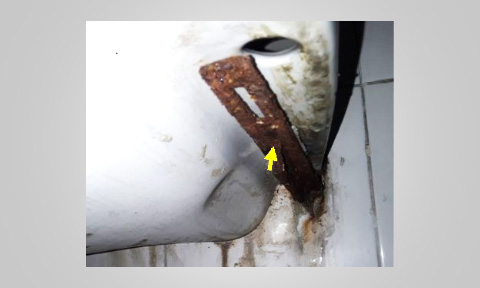
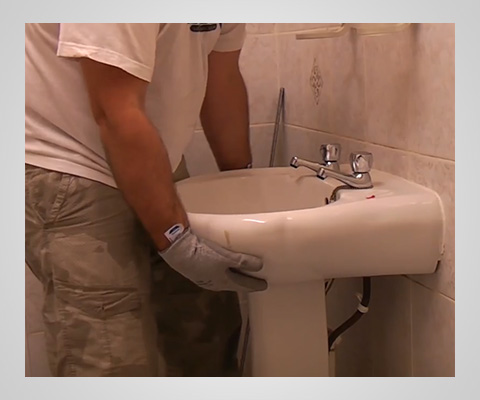
Wash basin holding support is significantly rusted.


Describe Issues

Due to significantly rusted support at wash basin, it will deteriorate further and support can get broken. This can lead to falling of wash basin which can cause accidents in home. To prevent this unwanted hassle, it is important to rectify and prevent further deterioration of rusted support.


Direct Solutions

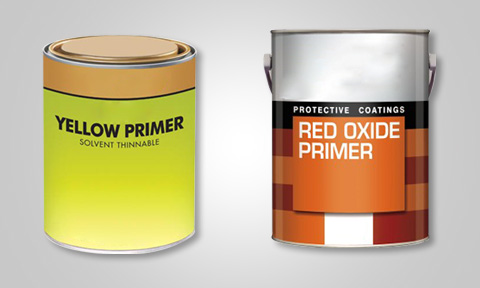
We recommend cleaning by sanding & protective yellow or red primer coating as per manufacturer specification.

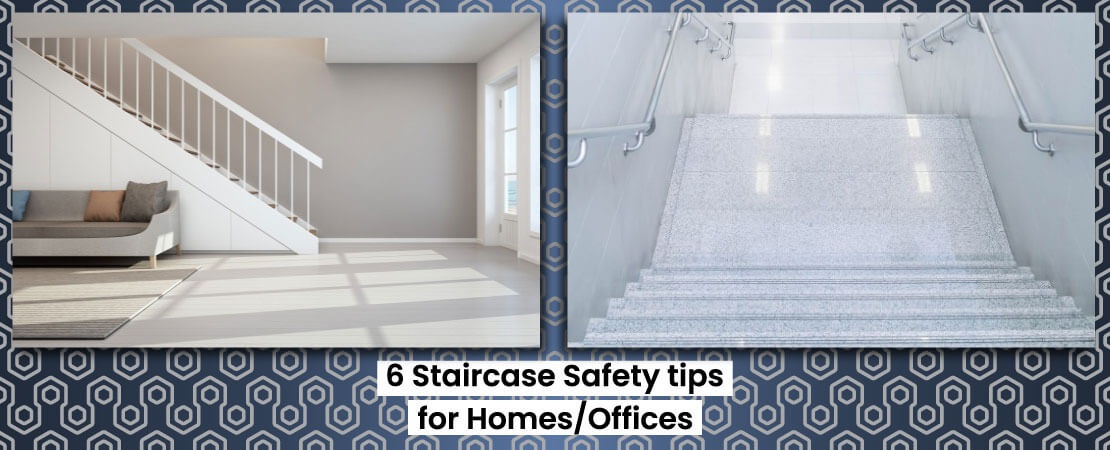
6 Staircase Safety tips for Homes/Offices to prevent from Slips, trips and falls

Staircases are being used from the ancient times and the importance of the staircase remains the same even in the 21st century. These are very common walking surface in most workplaces, residential complexes and individual homes.

The Staircase is an important component of a building which helps in commuting between floors and roof. Improperly designed staircases can cause falls which may lead to severe injuries or accidents if the necessary guidelines are not followed properly. A combination of deficiencies in design, lighting, maintenance and others are usually the culprits in stairway slips, trips and falls.

Let us first understand some of its basic parts. Staircase typically consists of:

  1. Landing Platform
  2. Handrail or Stair Rail System
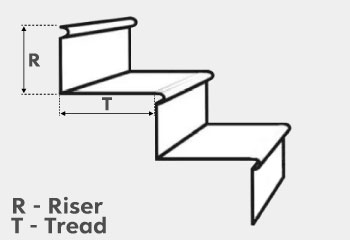
  3. Steps (Riser & tread) – A step is composed of tread and riser. Tread is the horizontal top surface to press beneath the feet. The riser is the vertical portion between each tread on the stair

To prevent falls or accidents due to staircase, below are some informative tips for safer stairway design, maintenance and use etc:

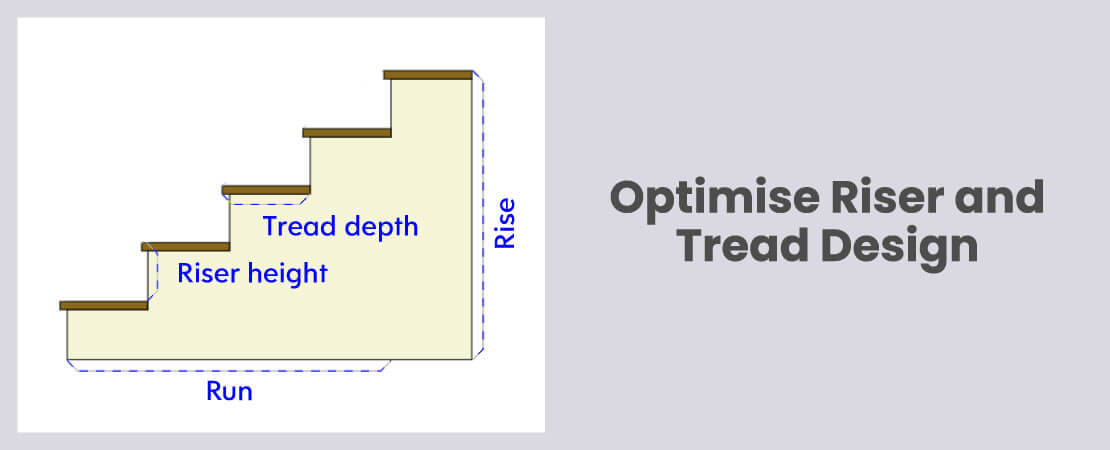
1. Optimise Riser and Tread Design

Trips and falls that occur during stairway ascent are often attributed to variation in the riser, tread. Stair riser heights should be 7 inches maximum and 4 inches minimum & tread depth to be minimum 10 mm. To know more, click here1.
Ideally, all tread and riser dimensions should be uniform throughout the entire stairway. When we use stairs, we tend to follow the same steps again and again until we reach on a plain surface. So, make sure that there are no uneven steps in your staircase and all steps areof the same size.

2. Do not neglect Stair rails or handrails

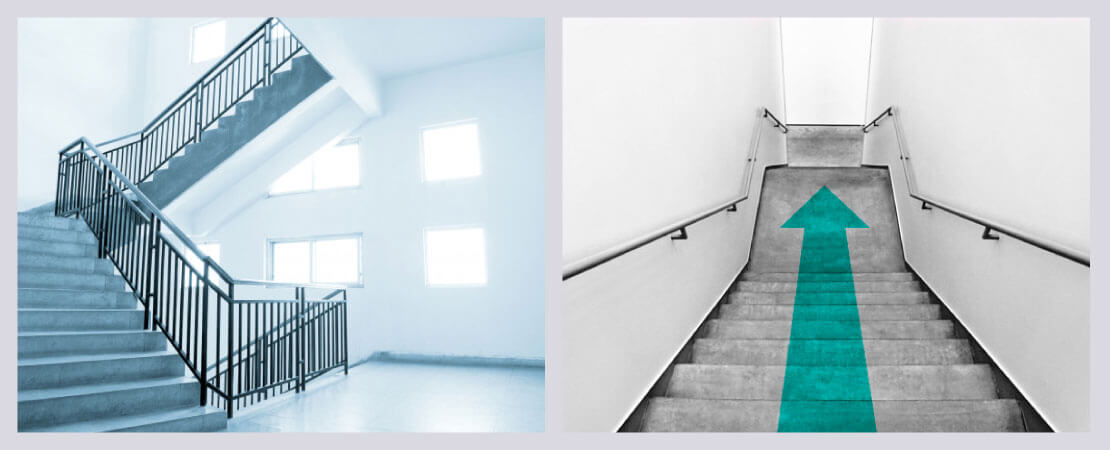
Stair rails and handrails are needed for very different purposes. Stair rails protect pedestrians from falling off the edge of the stairs or landings while handrails help pedestrians keep their balance and provide leverage when ascending or descending stairs. They greatly reduce the chance of a fall, they are strongly recommended, regardless of the number of steps.

You need to install stainless steel handrails that are slip-resistant because they can provide you utmost support and they need less maintenance cost. And, if you already have handrails, check its functionality.

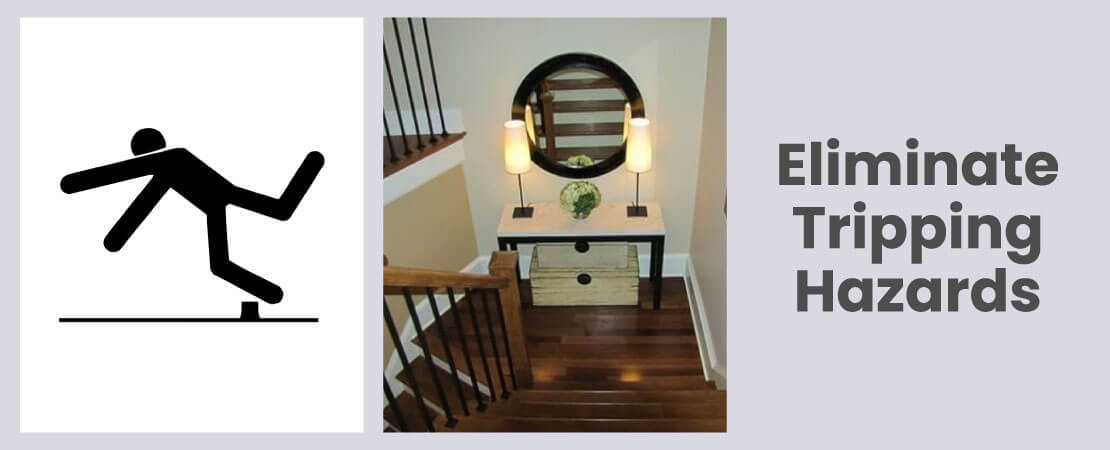
3. Eliminate Tripping Hazards

Firstly, these can happen due to distinct level difference at the transition area between the entrance of staircase and other associated area at office or individual home or lobby at the residential complex. Secondly, we tend to keep a lot of items around stairways that are major tripping hazards. Here are a few to be mindful of:

  • If electrical cords are left open, use some tape to pin electrical cords along the baseboards, so that it is out of the way.
  • Furniture near or on the landings should be rearranged to keep pathways free.
  • Do not store anything on the stairs, even temporarily. While there is plenty of decors that can add to the aesthetic of your stairs, but remember it all increases the risk of falls.

4. Prefer Anti-slip Surface

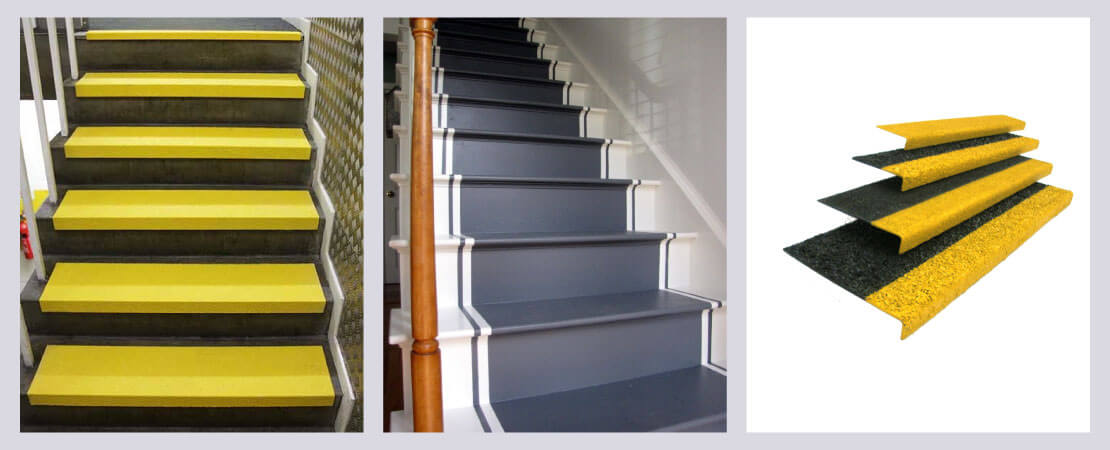
This is one of the most important factors that can prevent accidents. The staircase should be made with slip-resistant materials, otherwise, can be dangerous especially for children and elders. You can reduce the risk of the slip by using anti-slip materials in the stair treads and landing surfaces.

People often use anti-slip materials on the leading edge of the treads to prevent slip-related incidents. Slip-resistant or anti-skid paints2 are also available and you can use them on your staircase.

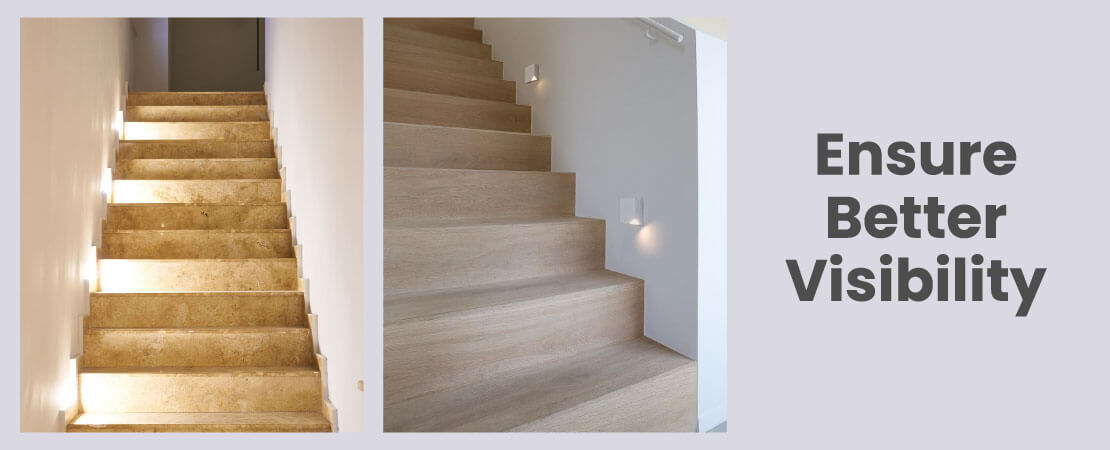
5. Ensure better Visibility

Staircase should be illuminated by enough lighting so that users can watch each and every step precisely. If you have children and elders in your family, you should not compromise with your lighting system, because better visibility will ensure safety for your dearest ones. Low light can be an issue for the elders and it can prevent them from noticing steps clearly.

6. Maintenance and Use

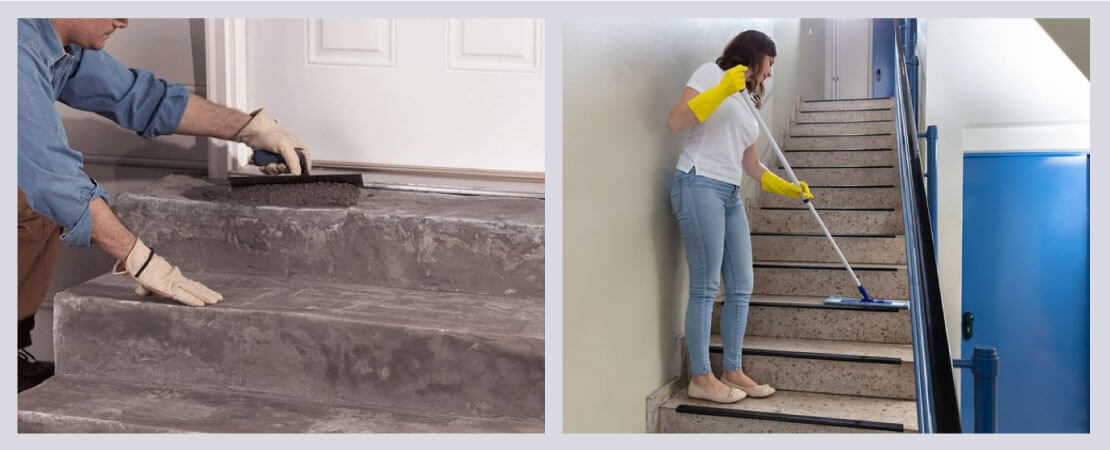
Many stairway accidents occur due to poor maintenance, non-attention and use. Keep stair treads clean and in good condition. There can be rusted handrails, loose fasteners resulting in the further deterioration with time. If left unattended can lead to accidents or injuries.

Apart from these, there isa last tip which can only be followed by individual homes i.e Install Safety Gates for Babies & Young Kids – If you have little ones roaming around, place child safety gates at the top and bottom of your staircase, so that they cannot access it by themselves.

Conclusion

The fact is, most falls can be prevented; and that prevention starts by acknowledging that there are always risks when using the stairs.By implementing simple strategies, keeping your stairs in good shape, and staying focused, you can help put an end to falls and serious injuries in homes and offices3. Also, read how to use stairs safely4.

We hope this content is helpful in creating awareness about safety of your staircase. If you still want to take professional advice for checking its safety and other problems, you can click here.

Beware a Damp House is Wrecking Your Health

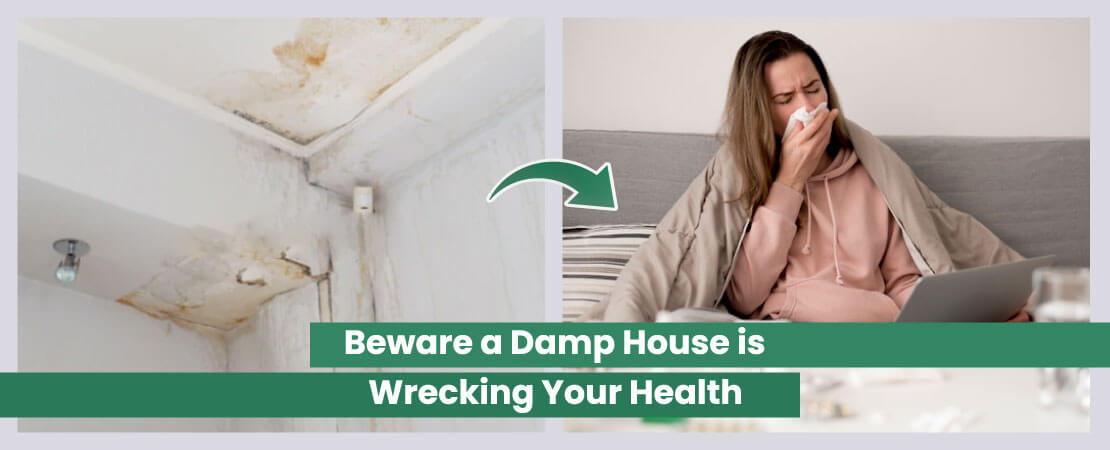
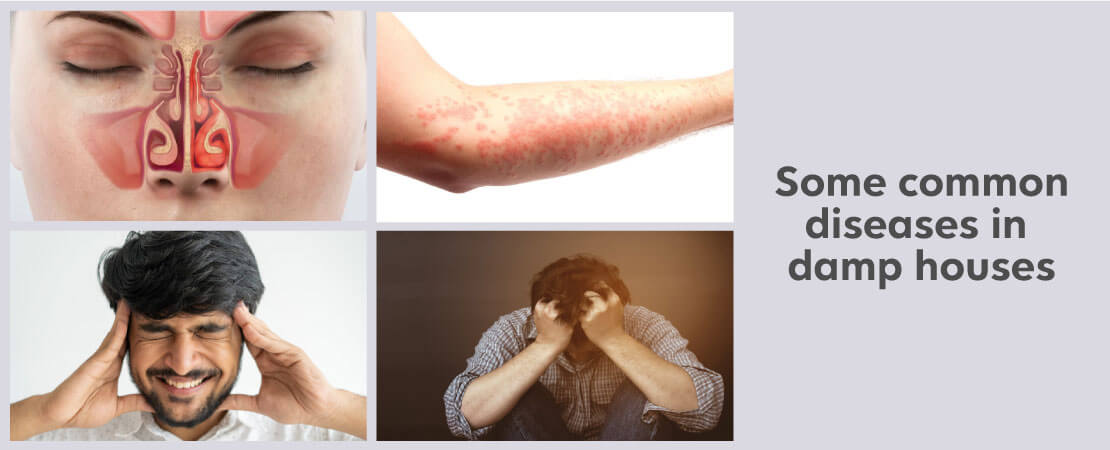
Ever wondered how damp in your house is playing with your health? Yes, the dampness on the wall here and there not only spoil the look of your home but impact the health of your family too. India being a tropical country, the building structures here are exposed to a high amount of moisture and humidity. Thus, they become more susceptible to damp development. When you are living in such a home, one thing leads to another and before you even know, your health is at risk too. Research suggests that on an average, we spend around 16 hours in our home. So, it is easy to apprehend how much at risk we are of developing health disorders due to damp. Common human health hazards associated with a damp house include:

  • Upper respiratory (nasal and throat) symptoms
  • Asthma symptoms in sensitized persons with asthma
  • Cough
  • Wheeze
  • Allergies
  • Skin Diseases
  • Migraine Headaches & Depression

What are the reasons and how does damp wreaks havoc on our health? We have listed out a few points below for you:

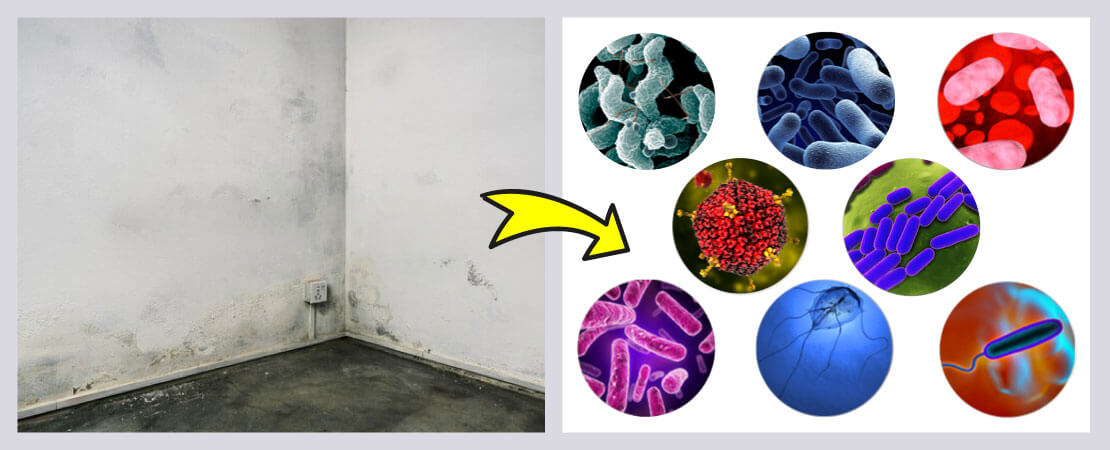
1. Flourishing Pathogens

When you have damp in your home, it means excess moisture has been accumulated. Guess what it is best for enabling pathogens and all kinds of germs to flourish and reproduce in higher numbers. Besides viruses and bacteria, other microorganisms like fungi and algae also proliferate in a moist environment. These microorganisms, being pathogenic, bring forth health disorders of various types. They release harmful chemicals in the air that pollute the indoor atmosphere or act as allergens causing mild to severe irritations in different parts of the body. If dampness persists these irritations tend to become chronic in nature.

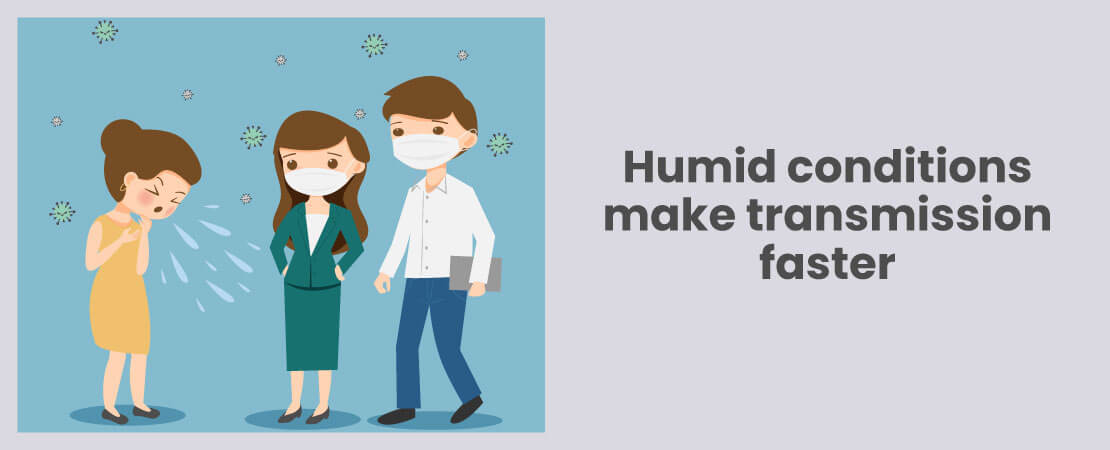
2. Humid conditions make transmission faster

If multiplying by leaps and bounds was not enough, the transmission of viruses and bacteria and other microbes is facilitated in humid conditions. When you present them a humid indoor environment, they tend to spread exponentially.

Look at what’s happening in the current pandemic situation! Earlier it was said that COVID-19 can flourish only in cold climates. But more recent evidence shows that it can be transmitted in all areas including hot and humid places1. Actually, virus thrives inside the human body the normal temperature of which is 36.5-degree to 37-degree Celsius. This is regardless of the external temperature and weather conditions. So, apart from maintaining basic hygiene, it is advisable to keep your house as damp-free as possible to restrict the transmission of viruses.

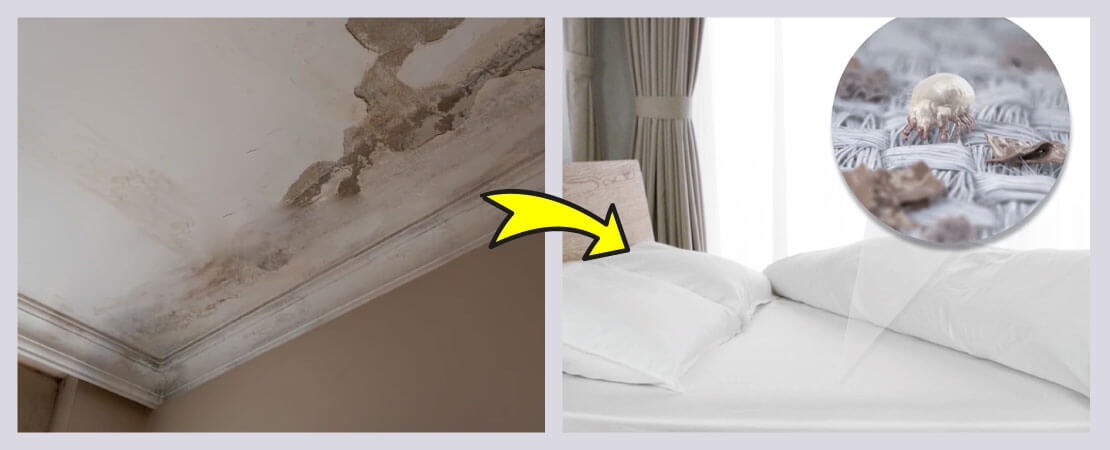
3. Flourishing dust mites

Dust mites are popular in households where the temperature is considerably high and the moisture level is also in excess. They are the catalyst to give rise to allergy, stuffy nose, respiratory problems and asthma. So, if you have experienced stuffy nose, itchy eyes, and breathing problem then you might want to look into the condition of your house. These symptoms can further give birth to health problems that will cost you in the long run. It is better to invest some money in your house now or at least take suitable care.

4. Welcoming pests

Well, mosquitoes and flies infested every part of the house, spiders spinning cobwebs in every corner, the occasional screeching of mice or musk-rats- is this how you picture your home? Damp build-up welcomes all these pests and other unwanted ones too. They have a directly proportionate relationship with damp which means the greater the damp in the house, the more is the number of pests. Now would you want to live in a house with humans or disgusting pets? If the former option is your choice then get rid of this unhealthy living condition immediately. It affects your immune system, breathing pattern and slowly destroys your health.

5. Cold climate

Several types of research have shown that a cold indoor climate is the result of dampness in those regions where it is not naturally cold outside. Unmaintained house, damaged roofs and walls are the common causes but it could also be because of the lack of proper ventilation. Humans can stay overall healthy if the environment in which he or she is living is dry with optimum moisture content in the air. If the house becomes a place where it is difficult to breathe then it is obvious that the environment isn’t right.

Cold indoor atmosphere adversely affects respiratory health. A significant number of people in the world suffer from asthma2 which is often linked with damp indoors. Chronic coughing, wheezing, breathing difficulty are the health problems which lead a person towards asthma. And asthma could be life-threatening. It just gets worse if not treated in the right way with the right amount of attention.

Other diseases that are common in the inmates of damp houses are:

Allergic Rhinitis: Characterized by frequent sneezing, stuffy nose, runny nose, itchy eyes, and post-nasal drip, allergic rhinitis is an inflammatory condition of the mucus membrane inside the nose. It is caused by viruses, bacteria, and allergens. Some of the external triggers of allergic rhinitis include humidity3 chemicals, and air pollution (indoor or outdoor) etc.

Skin diseases: Most of the skin infections are caused by fungus. Fungal spores are the causal agent of these diseases. To understand more, click here4.

Migraine: One of the most common triggers of migraine is the weather. Whenever there is high (or low) humidity, there is a change in the oxygen levels in the air. The air becomes saturated with moisture in high humidity conditions reducing oxygen levels significantly. As a result, it becomes difficult for the brain of the people with migraine to receive the right amount of oxygen to function properly. Result? – Unusual expansion or contraction of the blood vessels to compensate for the lack of oxygen, exerting tremendous pressure on the nerve fibres. Therefore, indoor humidity too may trigger a migraine5 headache.

Depression: Dampness and growth of fungus in poorly ventilated homes have been long associated with depression6. One should be careful about it before it takes the turn of clinical depression.

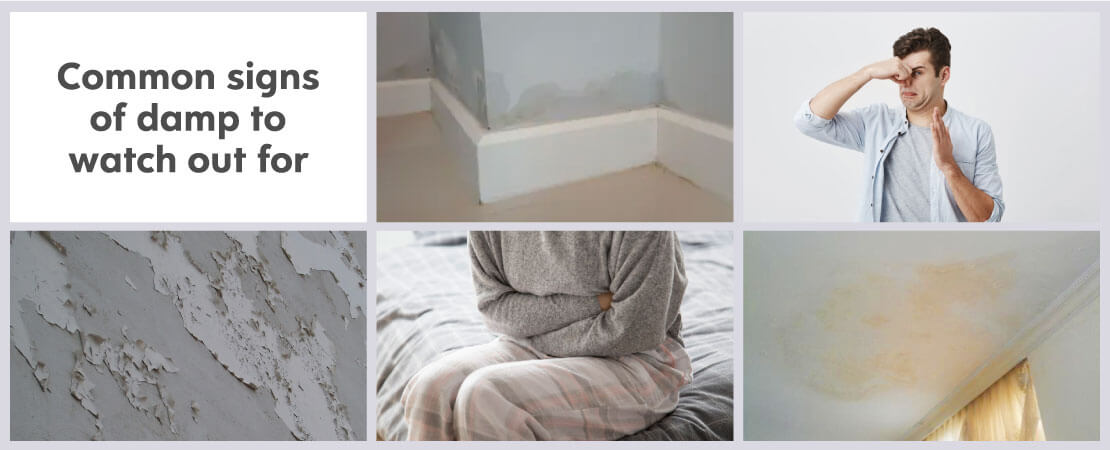
To make your life a little easy, here are some common signs of damp to watch out:

  • Damp patches – A patch is a sign of damp commonly seen on the ceiling, walls, behind the WC in the bathroom etc. Damp patches on walls are generally the result of penetration7, where water from outside gets into the brickwork through gaps and cracks.
  • Musty damp smell – The first and the foremost thing about damps are they are musty and smell bad. The freshness of a room gets evaporated with damp walls. So, always keep an eye on this.
  • Peeling and flaky paint – The most common thingin a house that has been ignored. Once you start noticing this, get a professional inspection done and get it fixed.
  • Cold in-house atmosphere – Do you wonder why your house feels cold be it summer or winter? Well, it’s the damp dude!
  • Discoloured walls – Discoloration is characterized by localized darkening of the original color of walls.

You can read this article for a better understanding of the same.

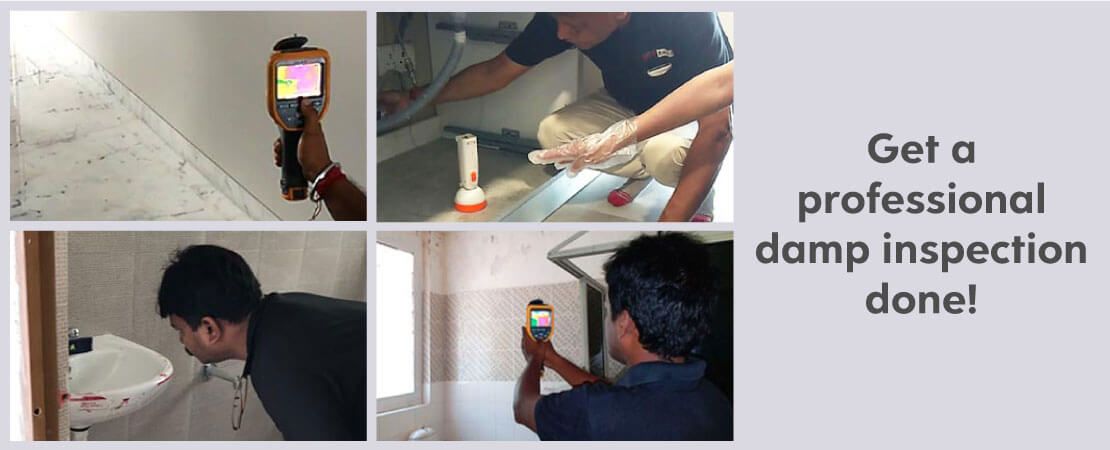
You should take proactive steps to reduce indoor air pollution because if you want to live a healthy life, your home is where you should start. Our environment plays a major role in our mental and physical well-being. So when it’s damp and dirty, it is not only creating a negative space you are living in but also and most importantly it is affecting your health in a way you might not anticipate. In such cases, it is sooner the better. Go for a professional damp inspection which will help in detecting the source of dampness with help of thermal imaging technology and take decisive action to eliminate damp from your house at the earliest.

Now online applications for project’s registration will be submitted in RERA

Bhopal

In view of the corona pandemic, promoters are required to submit applications through RERA web application for registration of project with Real Estate Regulatory Authority (RERA). For scrutiny by the RERA, promoters are required to submit hard copies of only 5 necessary documents. The remaining documents will be submitted online only.

Promoters are required to submit hard copies of 5 documents along with the application i.e. certified photo copy of Khasra (Form B 1), original affidavit for new project and original affidavit cum declaration (Form B) or any other affidavit required with application. Along with this, they are required to submit only A 3 size lay out plan approved by the Town and Country Planning and document of building plan certified by the competent authority. Submission of hard copies of any other documents with the authority is not necessary for the promoters. Only online documents are sufficient for the promoters.

Source: https://indiaeducationdiary.in/now-online-applications-for-projects-registration-will-be-submitted-in-rera/

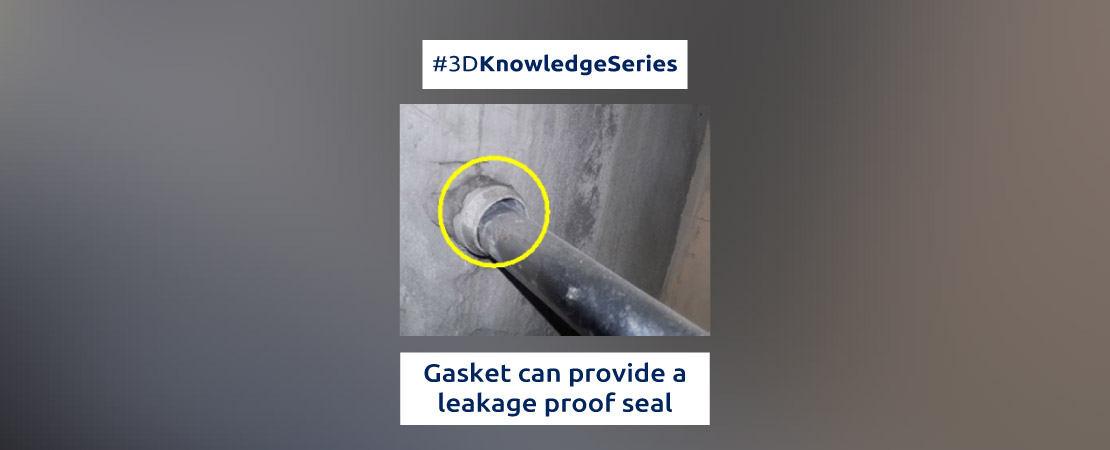
Gasket can provide a leakage proof seal


Detect Issues

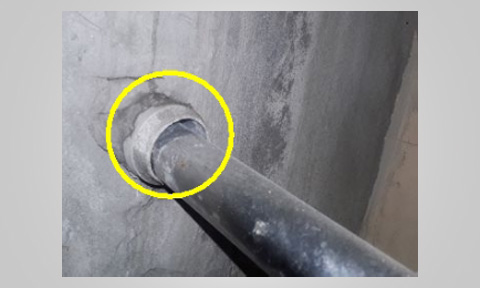
Gasket not used in between sink trap and wall mounted pipe junction.


Describe Issues

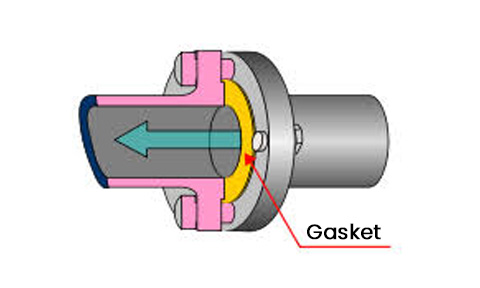
Gasket not used in between sink bottle trap & wall mounted pipe junction. In piping, a gasket is sealing material placed between connecting flanges or trap & pipe junction to create a static seal, which will maintain the leakage proof sealing in all operating conditions. To avoid the leakage and damage to property, it needs to be rectified.


Direct Solutions

We recommend installation of trap with manufacture specified gasket.

Understand the problems due to incorrect slope in wet areas of your home

Whenever you need to drain the water off your floors, whether it is your bathroom floor or any other wet area of your home,the proper slope at flooring helps to run the water off efficiently. Incorrect floor slope can cause water to run in the wrong direction, instead of gently sloping towards the drain.

Now a question would arise in your mind – ‘What is Slope?

The Slope of a surface means the surface of which one end or side is at a higher level than another, a rising or falling surface.

When you install tile in wet areas, do you ensure that everything slopes to the drain? If not, let us understand its importance through this content.

Firstly, let us know the areas of home/ office where slope plays a significant role.

Slope requirement in your home or office

There are floor surfaces in an apartment or home that require slope. Each surface given below needs a different slope:

  • Bathrooms
  • Balconies
  • Kitchen
  • Terrace
  • Drains & Plumbing lines

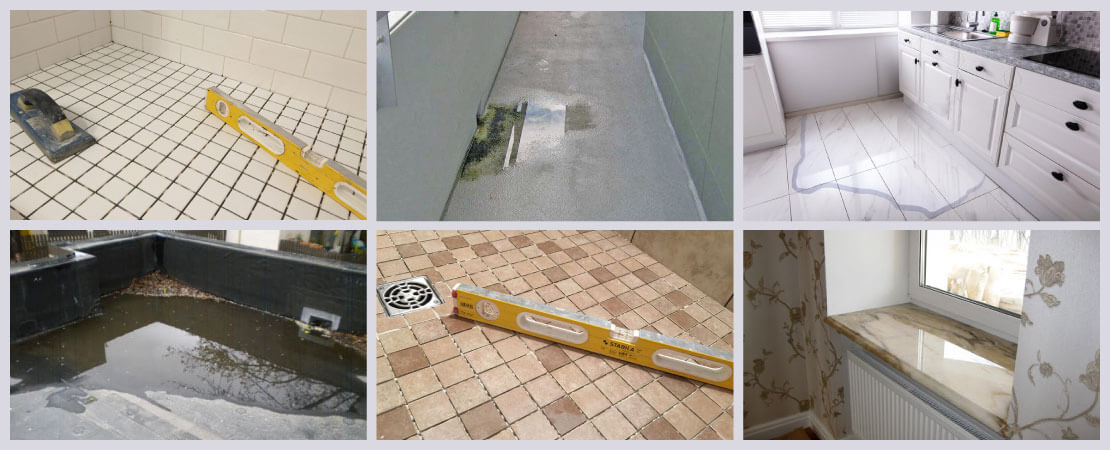
Apart from floor surfaces, window sill and chajja also have a slope requirement. But we would be focusing on the slope at flooring. Slope requirement also depends on two factors, click here1 to know more.

Generally, there can be two cases of incorrect slope i.e slope in improper direction and inadequate or insufficient slope.

Let us discuss what problems can occur due to inadequate slope or slope in improper direction at flooring.

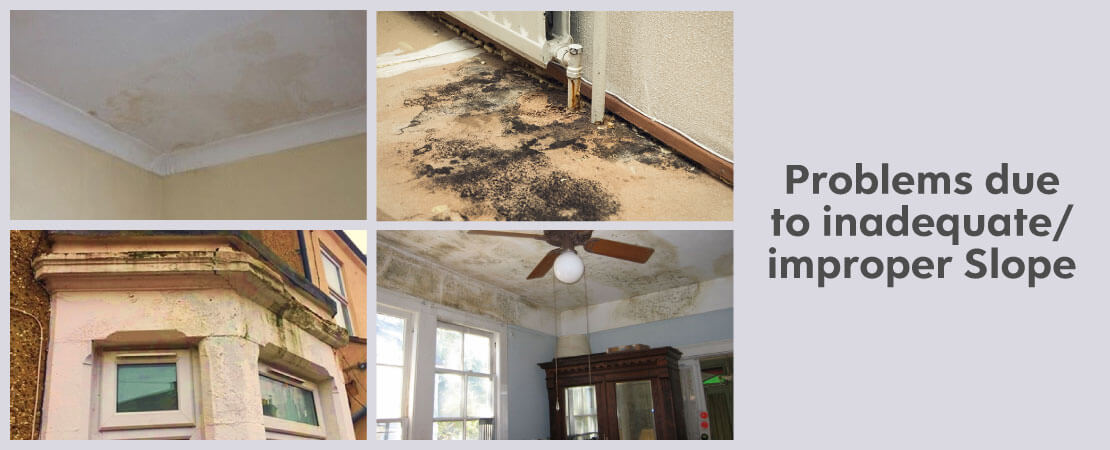
Problems due to inadequate/improper Slope

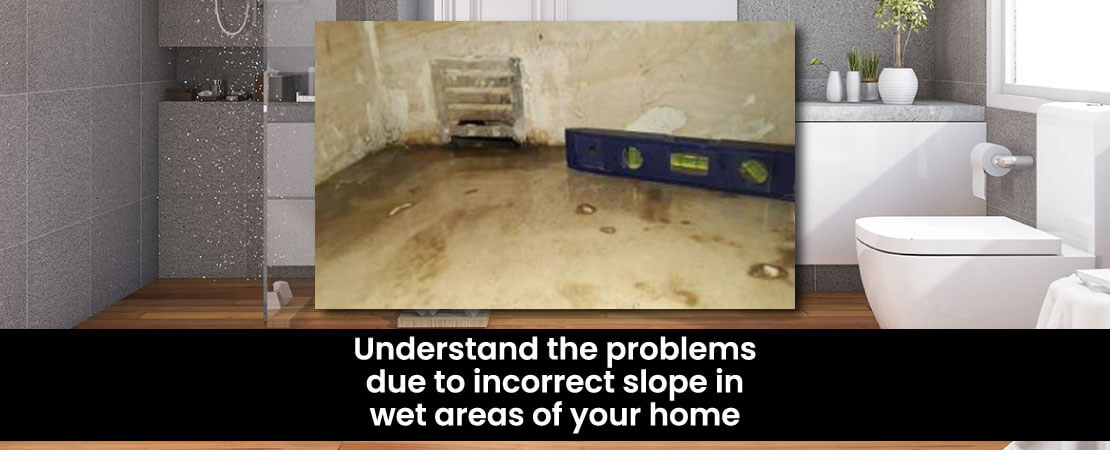
Due to incorrect slope, floor water will not drain easily through floor drain outlet and will lead to formation of water pocket or accumulation at a corner.

If it is not rectified in time, it can lead to following problems or issues:

  • Damp / seepage related issues in the adjacent wall or floor surface
  • Fungus issue on floor surfaces
  • Strength of Flooring & wall surface will get decreased
  • Unhealthy living conditions in the house
  • Safety hazard

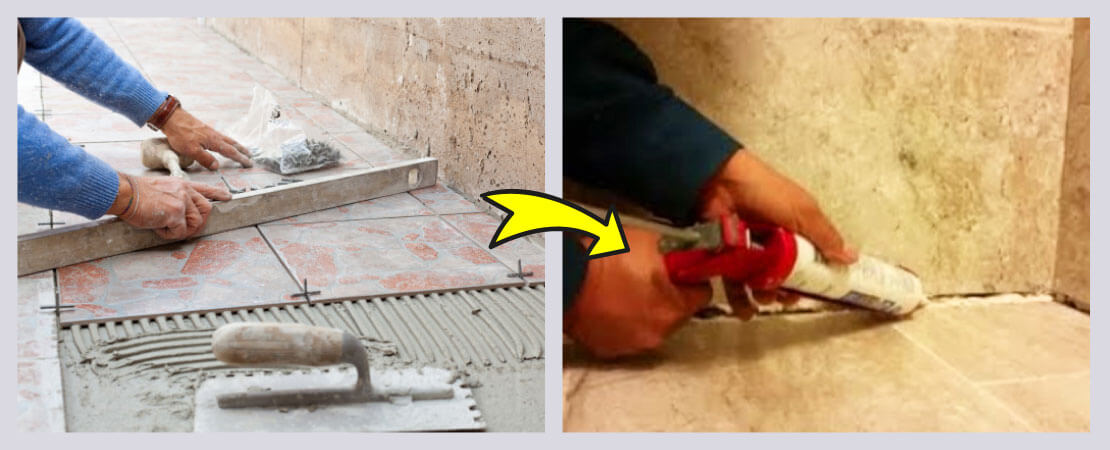
Solution for this issue: We recommend review and if required, floor tiles to be relaid maintaining proper slope towards floor drain outlet and adequate strengthening with requisite type of sealant at floor and wall tile junction.

Ensuring that a proper slope is provided around the drain for water to flow out easily is very important. Good drainage in wet areas like shower area in the bathroom is a key to preventing problems related to damp/moisture, so read content related to recommended slope2 for it by Home guides.

You can also read content on How to slope a floor for drain3.

Lastly, we would like to conclude, Flooring with proper slope is ideal for bathroom floors, balconies terraces etc; floors on which water flows on frequently. You don’t need it much for areas like your living room, drawing room, or any other room that stays dry. The main objective of sloping is to protect the property from damage that is associated with incorrect slope.

We hope this content will be useful in creating awareness about the problems that may arise due to incorrect slope at flooring in wet area.

Kerala: K-RERA to introduce virtual hearing from July, number of registrations cross 100 in the state

K-RERA (Kerala real estate regulatory authority) will launch virtual hearing from July on wards to redress rising number of complaints regarding real estate projects; especially those of emergency nature. The registration of real estate projects has also crossed 100 in the state. K-RERA has given registration to 135 projects till date and the figures are expected to cross 200 in next two weeks.

K-RERA has recently communicated that the authority has been compelled to adjourn all the hearings of complaints till June 30. In case of complaints requiring urgent hearing, the complainants have been directed to submit an application through e-mail along with their complaints. K-RERA which began hearing of complainants on February 5 had to put off hearing during lock down and owing to social distancing measures, the authority has been focusing on complaints of emergency nature alone. Over 230 complaints are now pending with K-RERA for redressal and many of the complaints are centred around single project with multiple parties filing complaints against the builder.

K-RERA has recently communicated that the authority has been compelled to adjourn all the hearings of complaints till June 30. In case of complaints requiring urgent hearing, the complainants have been directed to submit an application through e-mail along with their complaints. K-RERA which began hearing of complainants on February 5 had to put off hearing during lock down and owing to social distancing measures, the authority has been focusing on complaints of emergency nature alone. Over 230 complaints are now pending with K-RERA for redressal and many of the complaints are centred around single project with multiple parties filing complaints against the builder.

The authority had thought of an e-court like system to do virtual hearing however the web portal needs to be upgraded to facilitate such a system. Virtual hearing will mainly focus on resolving complaints of emergency nature. “ There are a few complaints which require immediate redressal and it can’t be put off owing to restraints in arranging physical hearing process. Virtual hearing is going to be the way forward,” an official with K-RERA said.

K–RERA officials said that although the number of project registrations has crossed 100, majority of the projects come under ongoing category. Of the 135 projects which have been registered, only two come under new project category. Even with the number of applications pending for registration, less than 10 projects are categorised as new. “ This hints at a dullness in real estate sector given the present circumstances. We hope the situation to change as housing demand could go up,” an official with K-RERA said.

The authority has put off registrations for nearly three months owing to lockdown. There have been issues in proper filing of applications on the part of certain builders causing further delay in processing of applications.

With the frequent recurrence of inaccuracies and irregularities, K-RERA had earlier warned the promoters that it will invoke section 60 of Real estate ( regulation and development) act, 2016 which stipulates that any false information given or any contravention of provision of relevant sections by the promoter will attract a penalty which may extend up to 5% of the estimated cost of the real estate project.

Source: https://timesofindia.indiatimes.com/city/thiruvananthapuram/k-rera-to-introduce-virtual-hearing-from-july-number-of-registrations-cross-100-in-the-state/articleshow/76678138.cms

Sleeve packing can prevent your home from Seepage


Detect Issues

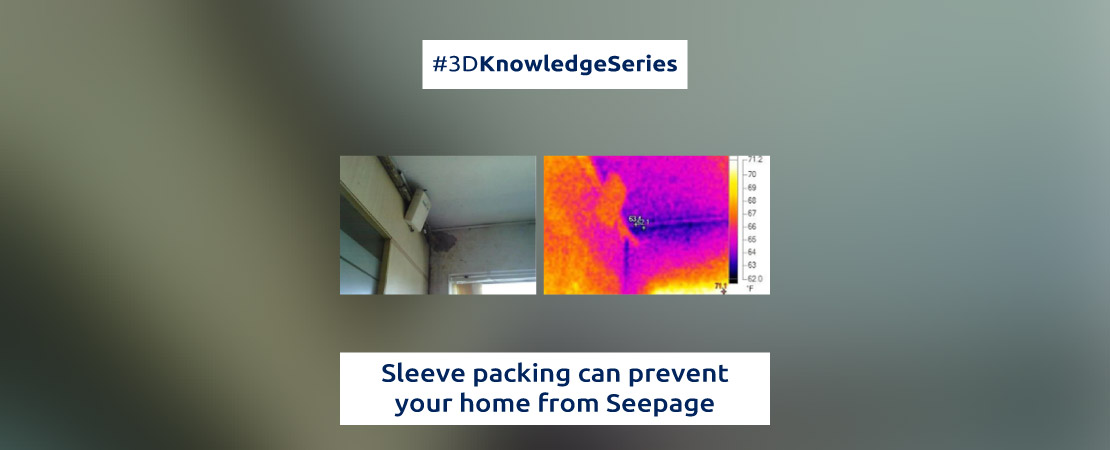
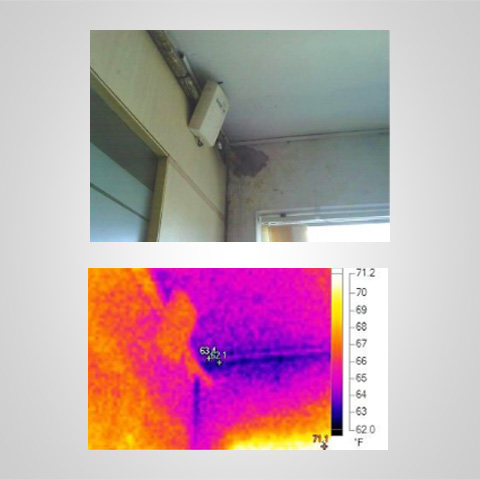
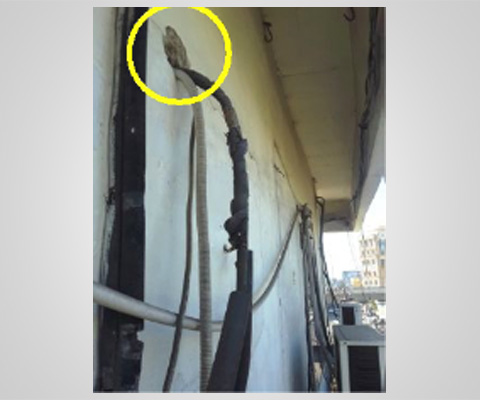
Seepage noted at wall from AC gas pipe insertion.


Describe Issues

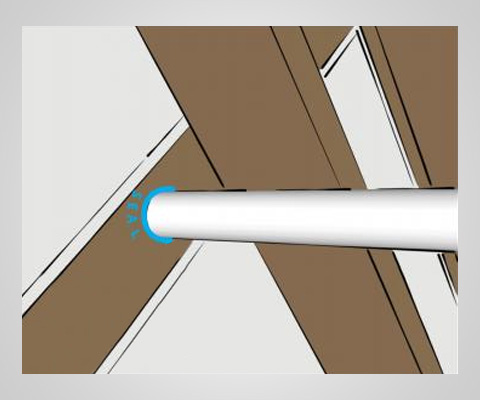
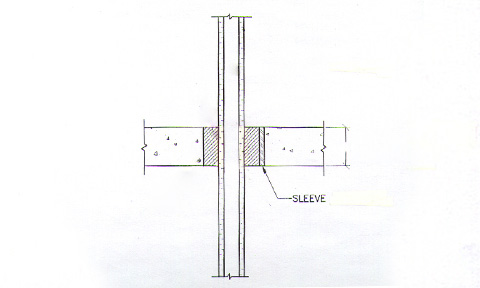
As seen with IR image, moisture seepage noted from AC gas pipe insertion area as gas pipe has been pulled from external wall without any pipe sleeve. As Sleeves not provided at wall surface for running AC gas pipes, there are unfilled gaps on external surface around AC drain pipe. Due to this, moisture is seeping inside the house. This needs to be rectified at right time, otherwise will spread and damage the property and create difficulty for residents.


Direct Solutions

We recommend PVC sleeve packing to be provided at the AC gas pipe insertion area.

Coronavirus impact | UP RERA extends deadline of real estate projects by three months

After MahaRERA and Karnataka RERA, UP RERA on April 14 extended the validity period of registration of real estate projects in the state by three months on account of COVID-19.

“In view of the dislocation of the construction activity under the real estate projects, CREDAI and NAREDCO have requested the Authority to extend the completion date of the projects as done by some other state RERAs,” UP RERA said in a statement.

In view of the slow pace of construction work due to the need for social distancing and movement restrictions and stoppage of the work following the national lockdown in March, the Authority has decided to extend by three months the date of completion of the projects with the date of completion between March 15, 2020 and December 31, 2020, it said.

The revised registration certificate of such projects will be issued separately and send to the concern promoters, the authority said in a statement.

Source: https://www.moneycontrol.com/news/business/real-estate/coronavirus-impact-up-rera-extends-deadline-of-real-estate-projects-by-three-months-5146061.html

NCR realty developers request RERA authorities to set aside penalty orders

Several developers in the National Capital Region have requested the Real Estate Regulatory Authority (RERA) of UP, Haryana and Delhi to delay recovery notices issued to builders by at least six months, in light of the Covid-19 crisis that has crippled the sector.

These builders were ordered before the clamping of the lockdown to pay compensation to homebuyers for project delays.

“We have requested that no adverse order of refund or recovery be issued for a minimum period of six months. Cash flows of our industry are badly impacted in the present scenario and no customer is able to pay the due instalments,” said RK Arora, the president of the Uttar Pradesh chapter of the National Real Estate Development Council.

The Maharashtra Real Estate Regulatory Authority had extended the validity of registration of projects by three months, effectively pushing back the deadline to complete the projects.

However, developers in the NCR are not keen for such an extension, and have instead sought relief in delaying payment of compensation to homebuyers and more time to file quarterly update on projects.

With mass exodus of labourers, developers fear mobilising construction workers to resume work would bea major challenge.

“It is impossible for the promoters to comply with the penalty orders. Considering the situation wherein the financial markets have collapsed, it will take a long time to get the required funds. Hence penalty should be reviewed and orders be set aside,” Arora told ET.

UP-RERA chairperson Rajiv Kumar told ET that it had held initial talks with developers and a final decision on what relief to offer would be taken soon.

“Expert opinion is that the Covid-19 impact will be long-lasting and will redefine the marketplace for the near future. We have requested to declare this lockdown as force majeure and extend the project completion period by a minimum 9-12 months. This is because once the lockdown is lifted, which is yet uncertain, it will take a minimum six months for us to remobilise the finances and labourers who in most of the cases have migrated to the hometowns,” said Gaurav Gupta, the president of the Confederation of Real Estate Developers Association of India, NCR-Ghaziabad, which has analysed the impact on business for the next year.

Gupta said receipts from sales already completed was almost zero since March 20 and that this trend was expected to continue as a state of fear was prevalent and people were focussing on day-to-day needs.

Experts said much of the direct impact had been caused by the liquidity crunch the sector had been facing for the last couple of years and that the lockdown had exacerbated it. “The supply chain for necessary raw materials for construction activity, like cement and steel, simply does not exist anymore. This has, therefore, had a cascading effect on daily wagers whose principal source of employment comes from the real estate sector. Therefore, a delay in delivery of ongoing projects, both housing and commercial, is expected and timelines provided to RERA will change,” Athena Legal partner Simranjeet Singh said.

Source: https://economictimes.indiatimes.com/wealth/real-estate/set-aside-penalty-orders-developers-to-rera/articleshow/75042282.cms