RERA Updates
The Government of Tamil Nadu, dated 29.11.2018 has ordered that Registration under RERA is a prerequisite for obtaining Completion Certificate in CMDA & DTCP Areas.


RERA Updates
The Government of Tamil Nadu, dated 29.11.2018 has ordered that Registration under RERA is a prerequisite for obtaining Completion Certificate in CMDA & DTCP Areas.



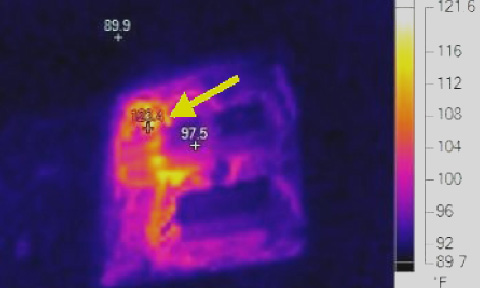
Here comes the Hot-stepper, not a Deal Breaker!
A home inspection is not only favorable for the buyers & sellers, but it is also quite beneficial for the Real Estate Agent too. Because a realtor is the person who represents the buyer or the seller, they can advocate for the client when they know details about the property. For an instance, a buyer’s agent can tactfully negotiate with the seller for a price revision. Similarly, a seller’s agent can guide the home buyer when he knows the details about the home inspection reports. At this point, the property broker can also help the seller in making an educated decision on the repairs and the selling price before listing the property for sale.
Property brokers may tend to think that Home Inspectors are simply fault finders and the brokers’ sale will fall through for them. However, there is a strong argument for why an ethical agent’s referral adds value to the buyer and benefits all involved. A seasoned real estate agent has years of experience and expertise in the local market and will save a buyer a lot of time, money and frustration by promoting and recommending the concept of Home Inspection.
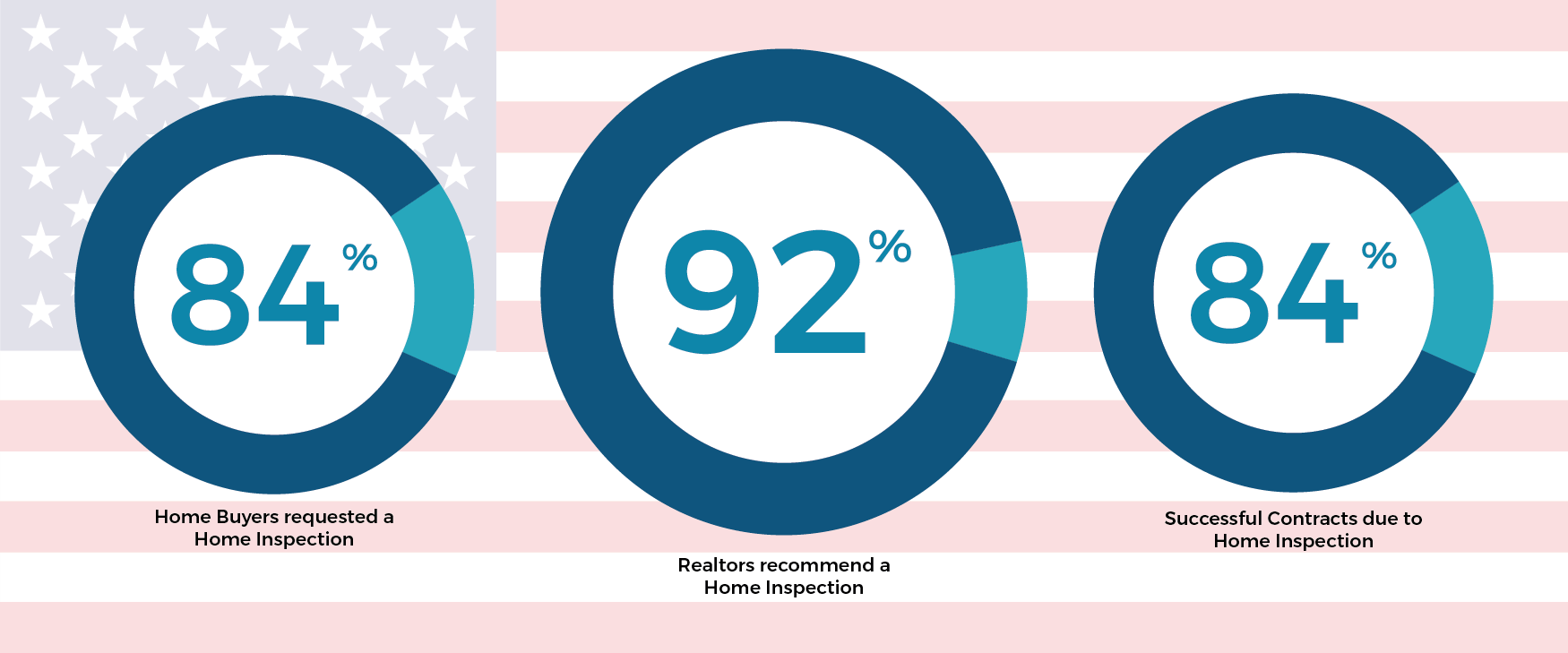
Realtors’ Survey in USA

Home Inspection adds to Real Estate Agents’ Brand & Credibility and in turn Business Growth

Serving the Client
In an ideal situation, the buyers should rely on the experience of their agents for matters as important as Home Inspection. Infact agent referral should actually add value to the buyer. Real estate agents should look at the bigger picture and the bigger picture is caring most about the client’s satisfaction. It’s a question of serving the clients and building strong relationships. For the ones who truly understand the scenario, building strong relationships and good client service is a way to help all involved. It provides the home inspector with business, helps home buyers by providing them access to a dependable home inspector and provides the real estate agents with a solid reputation and peace of mind.

Protecting your Interests
The admonishment of “buyer beware” is especially relevant when it comes to buying a home. Real estate agents and buyers depend on the seller and the listing agent to provide the initial information regarding a property’s condition. When looking for a qualified home inspector, your first thought may well be to ask your real estate agent. After all, he has got you this far. A qualified home inspector is important to an agent’s business. Agents don’t want a finger pointed at them. Reputable real estate agent would not withhold information from a buyer or induce a third-party vendor to withhold information. Agents want their buyers to have full disclosure and be fully informed, those who aren’t will come back to haunt their agents after closing. More importantly, duped clients won’t refer anyone else to them, and given the word-of-mouth nature of the real-estate business, that’s the kiss of death.

Ask your Broker for a Home Inspection report
Besides, a home inspector’s negative findings don’t necessarily mean a deal is off. Buyer’s agents can negotiate repairs or cash credits as compensation. Only as a last resort do they advise the buyer to walk away if the home inspection reflects too many problems. Agents know what you should expect from the inspector, an in depth and complete written report highlighting the issues found along with their recommendations. But it should be objective and devoid of editorial sentiment. The commentary should detail different elements of the home but never offer sweeping generalisations about it.
Don’t get panicked
The agents’ usual problem with home inspectors is not so much that they’ll whitewash certain defects as that they’ll induce panic. They tend to get a panic attack the moment they hear that the property is going to be inspected. They have this inherent wrong idea that the home inspectors work against them, which is absolutely not the case. The Home Inspectors have no intention to tarnish the image of the agents whatsoever. But they should understand that it is in the best interest for all the parties involved. Home Inspectors are the Hot-steppers or the skilled people who are here to help the broker’s sale. They are absolutely not the deal breakers.

To have a competitive edge over others
The brokers can potentially sell the home for more money. If you are able to produce an inspection report that certifies your house as issue-free and without need for any major maintenance, this will help attract buyers. This may save the buyer the cost of arranging their own inspection, and helps ensure an overall smoother closing process. Buyers will have greater confidence in making an offer on your property, because they will have an official document and comfort from an unbiased third party certifying its true condition and value. The brokers, meanwhile can remain stress free.

Last but not the Least – Broker responsibility under the new Act – RERA
Hence, it is safe to say the Home Inspection can greatly benefit a Real Estate Agent in:

RERA Haryana
Terming such schemes as “fraud”, the authority said SEBI has already declared “assured returns” as illegal Ponzi schemes.
GURUGRAM: Haryana Real Estate Regulatory Authority (H-Rera) is going to issue notices to developers who are trying to lure people to invest in their residential and commercial projects, promising “assured returns”.
To lure people to invest in their real estate projects, many developers are offering “assured returns” schemes, in which investors in residential projects are assured of a fixed rental income, while in commercial projects, those assured returns go up to as much as 12%.
“It has come to our notice that many real estate firms are trying to lure investors through “assured returns” schemes, which is basically a financial scam promising very high returns,” said Gurugram H-Rera chairman K K Khandelwal, adding the body is preparing a list of such companies for criminal action by the authority.

MahaRERA Updates
In, Avinash Saraf versus Runwal Homes Private Limited case, the landmark judgement given by MAHARERA, Mumbai, having complaint number 32, Dated 13th October 2017. Final judgement is given by Honorable Shri B. D. KAPADNIS. The complainants contended that they have paid 97% of total consideration of the flat. The date of possession of the flat was August, 2016, as per agreement of sale executed in November 2014, but the respondent failed to give the Possession in time.
And hence the complainant demanded the amount of consideration with interest @ 21% p.a. from the respondent with compensation for amount expended towards stamp duty and registration charges.
The respondent contended that MAHARERA has come into effect from 1st May 2017. Therefore MAHARERA has no jurisdiction entertain this complaint. The date of possession was delayed due to delay in getting permission for constructing parking from MCGM (Municipal Corporation of Greater Mumbai), for the reasons beyond control of the respondent.
Now point for consideration before The Honorable judge was whether the complainant is entitled to get back the amount paid to respondent with interest and compensation? He answered affirmatively with the following reasons.
The cause of action for claiming possession after the lapse of agreed date of possession becomes recurring course of action. Therefore MAHARERA has the jurisdiction under section 79 of the Act. The reasons given by respondent for delay in possession is also not acceptable, since the agreement was executed in November 2014 it means the respondent was aware of the time for giving possession.
Finally honorable judge has delivered the following judgment.
To refund entire amount paid to the respondent till date with interest and compensation for amount paid towards stamp duty and registration charges. Rate of interest upto the date of 30th April 2017 was decided @ 9% per annum. And from 1st May 2017 the rate of interest was decided to be the interest at SBI’s highest marginal cost of lending rate + 2% p.a. till the date of final payment to the complainant.
The complainant got finally Rs. 1,74,17,986/- + Rs.8,86,800/- towards stamp duty registration charges + Rs. 11,00,000/- towards interest till 30th April 2017 + interest at SBI marginal cost of lending rate plus 2% p.a. till the date of final payment to the complainant.

Nothing in this world starts from the second time. There is always a first time – which always comes with its own share of challenges – whether you are baking a cake or buying a home. The first time is that time when you are either unknown or unfamiliar to it. In case of Home, while you’re busy imagining the perfect décor or dreaming of your kids playing in the yard, you may be overlooking some important aspects of home ownership that could end up turning your dream purchase into a disaster.
Buying a home is an emotional rollercoaster. Before you unlock the door to homeownership, you have to consider some crucial points so that you do not commit the same mistakes that a first time home buyer normally may makes.

13. Neglecting to Inspect your Dream Home – Know the Health of your Home
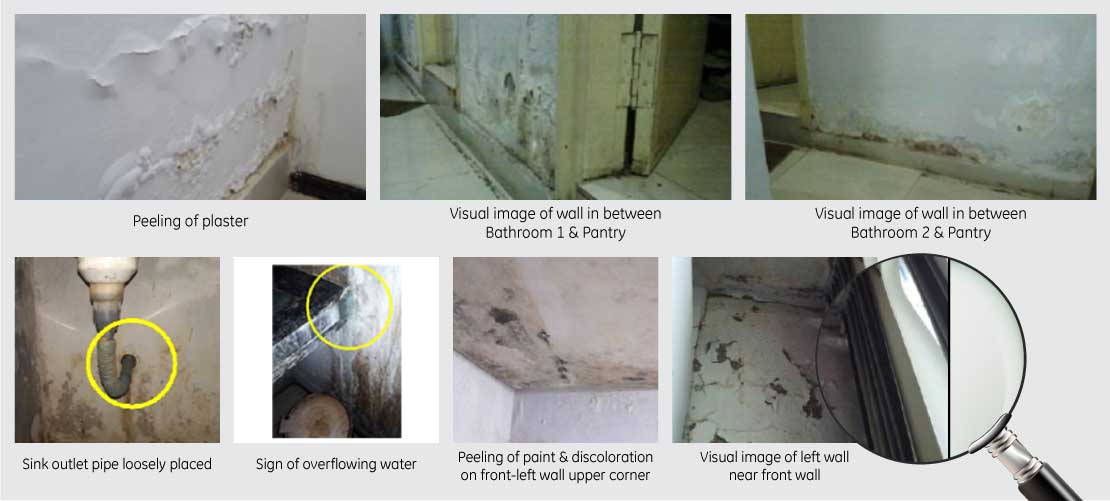
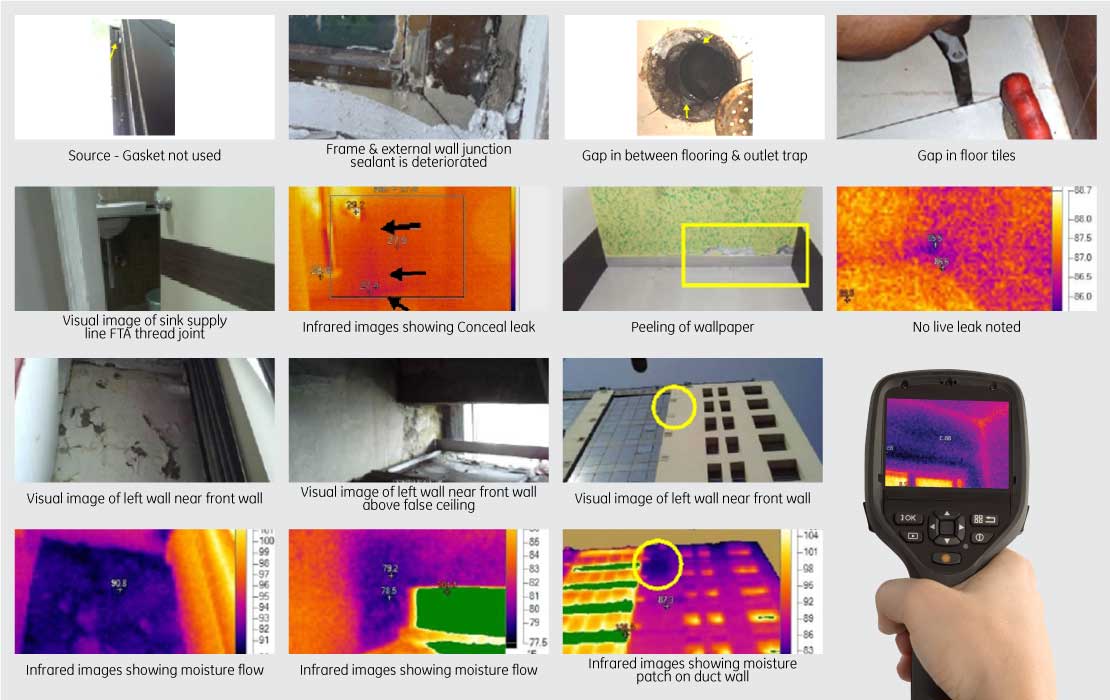
It takes a trained eye to be able to see the problems that can exist in a home. It’s easy to get swept up in the excitement of buying a new home and forget to make the important decision to have a home inspection. Before you close on the sale, you need to know what kind of shape the house is in. Home inspections are an integral part of the home buying / maintenance process that can save you a lot of time and money in the long run. Home Health Check-up prior or on purchasing a home can bring peace of mind. Knowing what to expect both inside and out will help you make an informed decision about the value of the home and the future upkeep. A home inspection gives you a chance to determine the condition of the house, its soundness, quality, finishing and the condition of its civil / electrical / plumbing systems, concealed leak / damp / seepage issues. Keeping your feelings in check until you have a full picture of the house’s physical condition and the soundness, health& safety of your potential investment will help you avoid making a serious financial mistake.

1. More to it than mortgage loan repayments/Sure you can afford a house payment?
Many first-time homebuyers decide to buy when they feel ready for a mortgage home loan. But just because one can afford the mortgage payments does not mean one should own a home. There is much more to it. Property taxes, maintenance, insurance and higher electric and water bills are some of the costs that first-time homebuyers tend to overlook when shopping for a place. Even if you can afford it now, plan for increased costs later.

2. Emptying your savings
If you buy a previously owned home, it almost inevitably will need an unexpected / major repair not long after. Maybe you’ll need to replace a geyser or get a new dining table or renovate a damaged wall or a concealed leak. That’s a growing pain for the first-time homeowner. You will find yourselves in a hole quickly if you don’t have enough saved for such unforeseen matters.

3. Due Diligence
Don’t get scared with the technical terms. It simply means doing your homework. Make sure before signing on the dotted lines, you have checked the legalities and reputation of the builder / seller. That means, proper investigation and audit are done on the home you are about to buy and systematic research is carried out and in turn validated. Take proper care before entering into an agreement or financial transaction with another party. Research and plan for any potential handover delays. Do a proper seller / builder due diligence.
4. Provision for Basic Amenities & Ownership Issues
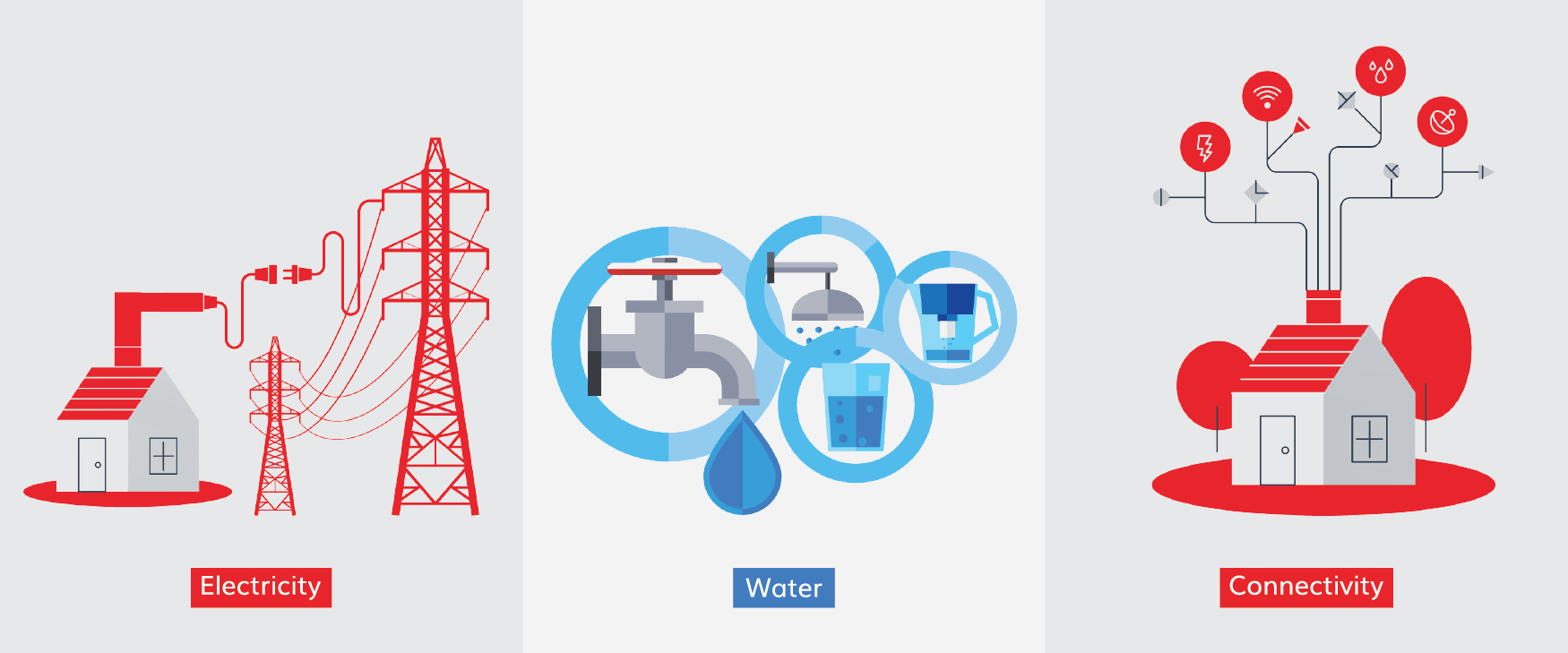
Two very important things that need to be done are the Registration and Mutation of the house. Without Mutation, you won’t be able to pay Corporation taxes. And then say after 10years, you will be bombarded with a huge amount which can be in lakhs which you will be needed to cough up immediately. Don’t be deprived of the basic amenities such as the electricity, water, telephone connection etc. There could be legal hassles as well. Do a thorough legal due diligence.

5. Miscalculating home makeover and renovation costs
First-time home buyers are frequently surprised by high repair and renovation costs. Infact you should double the estimates that you make for repairs and renovations to be on the safer side. Do not go for cheap repairs because in the long run, you will have to keep paying more just to get a small thing corrected.

6. Being Too Picky and Impractical
Go ahead and put everything you can think of on your new home wish list, but don’t be inflexible. First-time homebuyers often have to compromise on something because their funds are limited. You may have to live on a busy street, accept outdated décor, make some repairs to the home, or forgo that extra bedroom. So get your priorities right.

7. Lacking Vision
Even if you can’t afford to replace the hideous wallpaper in the bathroom now, it might be worth it to repair & live with it for a while in exchange for getting into a house you can afford. If the home otherwise meets your needs in terms of the big things that are difficult to change, such as location and size, don’t let physical imperfections turn you away. Don’t be impulsive and buy a home for a minor issue.

8. Think twice before you take the ultimate plunge /Compromising on the Important Things
Don’t get a two-bedroom home when you know you’re planning to have kids and would require three bedrooms. By the same token, don’t buy a condo just because it’s cheaper than a house if one of the main reasons you’re over apartment life is because you hate sharing walls with neighbours. It’s true that you’ll probably have to make some compromises to be able to afford your first home, but don’t make a compromise that will be a major strain.

9. Not Thinking About the Future
It’s impossible to perfectly predict the future of your chosen neighbourhood, but paying attention to the information that is available to you now can help you avoid unpleasant surprises down the road.
Some questions you should ask about your prospective property include:
If you’re happy with the answers to these questions, then your house’s location can keep its rose-colored lustre.

10. Changing Jobs
While changing jobs may benefit your career, it may complicate your mortgage approval. A lender wants to ensure you have stable income and employment, and that you can afford to repay your mortgage. If you were preapproved for a mortgage based on a certain income and job, any chances in the interim before closing can be a red flag and delay your closing.

11. Falling in love with a house
There’s something magical about walking into a home that has every trait you’re looking for. For first-time home buyers especially, getting caught up in these moments is common. Unfortunately, just because a home seems to have everything you want doesn’t mean you should buy it. Make sure a home is a good investment, even if it seems like the ideal abode. And, don’t show you’ve become emotionally attached to the house, as this can cause you to lose any negotiating leverage you may have had when it comes to the purchase price or terms or related matters.

12. Failing to consider resale value
While it can be hard to predict whether home prices will go up and down, it’s a smart move to buy a house that’s readily saleable and likely to fetch a premium price when you’re eventually ready to sell. There are certain features that make houses more or less likely to appeal to buyers. Location is a big one, as few people want to buy the best home in the worst neighbourhood. The general property market in your area and a home’s condition can also impact resale value. Talk to a realtor about how market conditions work and whether a property is ever going to be easy to resell. If not, buying it may be a mistake.
The Bottom Line
Buying a home for the first time might be one of the biggest investments you will ever make in your lifetime and it can seem stressful and overwhelming and it isn’t without its share of potential pitfalls. If you’re aware of those issues ahead of time and plan properly, you can protect yourself from hassles, costly mistakes and shop with confidence. For many people, a home is the largest purchase they will ever make, but it need not be the most difficult. First time home buyers can learn from the mistakes of those before them and not commit the 13 Unlucky Mistakes.