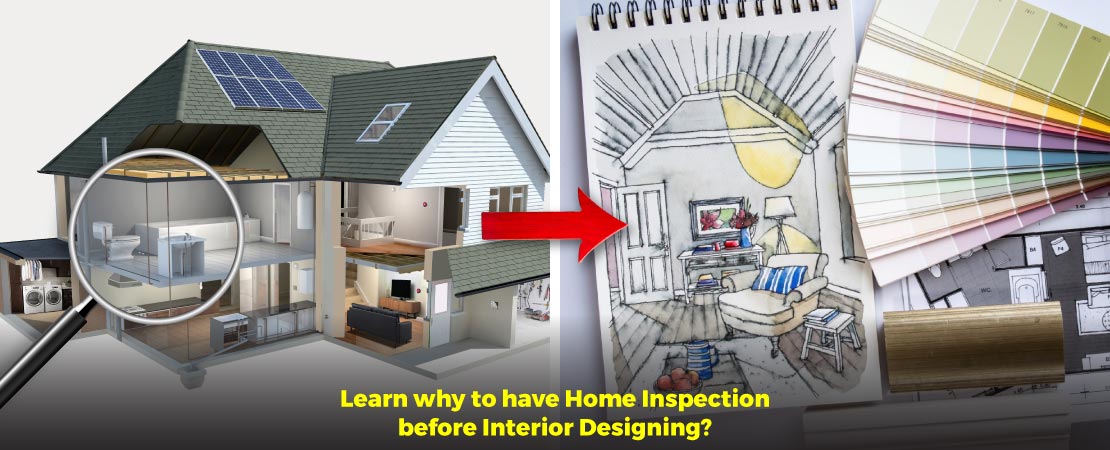
Learn why to have Home Inspection before Interior Designing?

“So, you bought a new house? Congratulations! Now you will go for a chic interior designing.” – Sounds familiar? But, “Hey, you got a new house for yourself? Go hire a home inspection. Interior designing can wait” – admit it, you have never come across such a suggestion, and this is exactly where we need to change our mindset. A newly-built home, an old home lived or left vacant for years – nothing guarantees a property’s sound health. And if it is not in its pink of health you cannot make it look good externally. This is true for the house you have been living in for years, as well. If you want to give your beloved nest a makeover, you must get it checked by a home doctor first. Once the doctor (home inspector) says your home is perfect, health-wise, go ahead and deck it up! Only a healthy body can flaunt the best of styles, right?

Here are 6 reasons to opt for home inspection before interior designing making it more worthwhile:

1. No damp, no damage, no blame

Implementing home inspection at your home will easily identify areas where you have high dampness. It could be your roof or wall or places you least expected. With the appropriate measures suggested by professional home inspectors, damp removal will follow. Now when your chosen interior designers set forth for making your house more aesthetically appealing, they will find everything in its place.

Very commonly the blame of a broken tile, a chunk of plaster missing from the wall, and discoloration, etc are conferred upon the interior designers and the team working on it. This is not only unfair but also illogical. In fact, it is the interior designing team that faces the music after taking up the job. No solution to fix damp problems1 seem to work. No wallpaper or installation gets fixed on the wall in a secured manner. There is always a risk of shelves and cabinets falling off the wall due to its damaged texture. Simple Plaster of Paris and multiple coats of paint are wasted just to make a damp wall look proper. What is your situation then? You are like a fish out of water clueless about the end result and cost!

Inspecting your house will settle a specific quality baseline. So, once the designing work starts, no scope of blaming due to damage can arise.

2. No delay in deadline

Of course there is a strict deadline for any work and neither home inspection nor interior designing is any exception. Once interior designers are at work and one or another problem with your building arises, their work will be delayed. If the home inspection team identifies the problem areas beforehand, you can repair them on a priority basis also.

Always keep in mind that if your home has not been inspected earlier and the designers find a damp spot here, an electrical defect there, those things need to be repaired first and that will actually postpone the expected date of completion of the project. As a customer, you also have to cough up extra money. Moreover, it will be quite inconvenient for you as well living in a temporarily messed-up house. A home inspection before interior designing is thus helpful in sticking to the deadlines.

3. No baffling budget

Well, let’s face it. The interior designers are supposed to perform only what they have been assigned. Now, if you present them with a faulty home in desperate need of inspection and they have to repair more than designing, things will not remain the same. The budget will increase, quite obviously.

Had you asked for a home inspection prior to stepping into interior designing, you would have known what your home has in store for you. Don’t get surprised if the interior designers ask for more on finishing their work than what they had asked for at the start of the agreement. In short, you need to allow the designing team to stick to their core competency. Or else, bear the extra costs.

Going for interior designing post a successful home inspection is a wiser choice if you do not want a hole in your pocket or get your mind baffled by the final bill amount the designers present you with.

4. Waive off wastage and rework

When you put home inspection to work, you can identify seepage or dampness issues quite early. In this context, let us just remind you of a small thing. It doesn’t matter whether your home is brand new or quite old. Dampness and other issues like leakage in the open or concealed piping system, overhead tank, moisture intrusion from window frames can occur at any time. If you skip an inspection, the nuisances will come up later when you have already finished designing the interiors of your home. It will spoil the furniture, expensive fixtures in your bathroom, heavy wooden work on doors and partitions, appliances set up you have so long craved for – everything. Result? Rework. The interior designers have to start from scratch again and redo what they had already done earlier. Wastage will also follow.

You can avoid all these things with home inspection prior to interior designing. Even if the designers recreate the same style for your home after putting down their previous work, there will be some issues with quality. Do not take risks with the design deliverables. Instead, call for a home inspection service today.
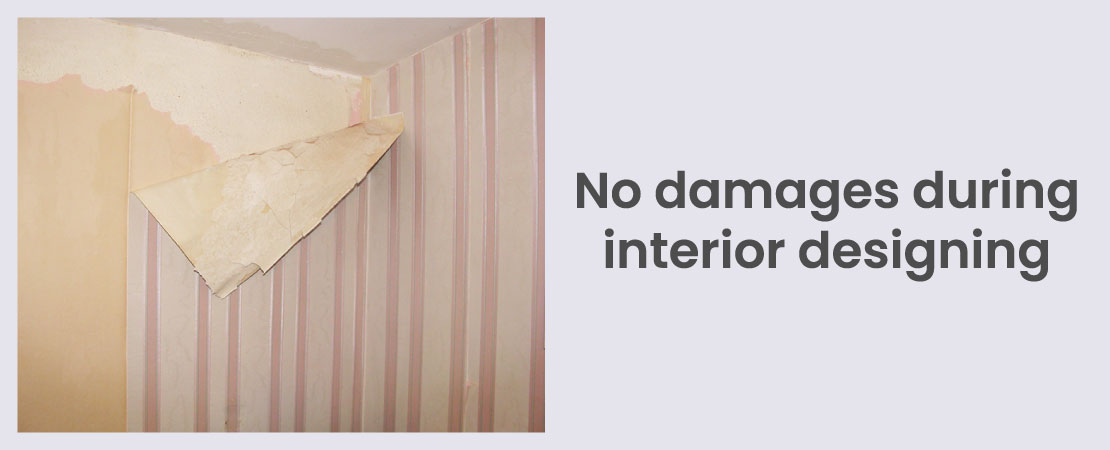
5. No damages during interior designing

An interior designing team is unlikely to know from where the concealed plumbing line or electricity line of your home is passing. So, they can install a design material or cladding at a place unknowingly damaging a part of it. Later on, you will have to face the consequences. A home inspection prior to interior designing can advise you on where not to install a decorative item or fixture. For example, on a wall adjacent to a wet area like the bathroom, it is meaningless to mount wallpaper. Sooner than later, it will start coming off due to seepage and dampness in the wall. An interior decorator would not be able to foresee this problem. It is only after a home inspection team points it out that you can tell your interior designer, “See, this is what my home inspection report card says. Let’s not plan any elaborate makeover for this part of the house.” This way, you can avoid further damage to that space and save money on something that will not last long.

6. Advantages for the interior designers

It is always easy to put the blame on others, isn’t it? If you are a part of the interior designing team you will more frequently come across accusations that your team has not given their best. Some months or days after you completed a project, you will receive complaints saying that the designs on the wall are coming off, the appliance set up has not been perfect, and so on and so forth. An unsatisfied customer actually leads to a loss of reference. They are not likely to recommend your service to others. It’s your business which will face problems though there might not be any fault of yours.

Insist your customer for a thorough home inspection before you start your work of designing in the house. This way you can avoid brand dilution as the faults will be identified well beforehand.

To know how a home inspection can help you in your interior designing project, click here.

Both home inspection and interior designing go hand in hand as they share the common objective of ensuring the following:

  • The functionality of your home and its components
  • Health and inherent beauty of the home
  • Safety and security of the inmates
  • Longevity of the property

So, go ahead and do up your dream home by professional interior designers BUT only after a thorough home inspection has been done. Do not let your home face even the slightest of nuisances. Also, update yourself and be aware of how to take care of your home and bid farewell to damp and other damages permanently. Here is a fact sheet that gives you all the trivia on home inspection – read more to make the best decision before investing in interior designing.

Primer : Is it necessary to apply it before Painting?

Painting any surface basically serves two purposes. It enhances the beauty of walls/ structure and also protects the surfaces of the structure. Before painting any surfaces, the application of primer is recommended. Some question arise, like – Why primer is required? Can’t we do away with primer by applying one more coat of paint? For a layman, the difference between the two is not easily understood as both look similar.

Before painting any structure, you should know the difference between primer and paint. Paint and Primer both are different products, though they look like same. They have a different purpose, function and constituents. We would first explain the primary difference between primer and paint.

Difference Between Primer and Paint

Primer

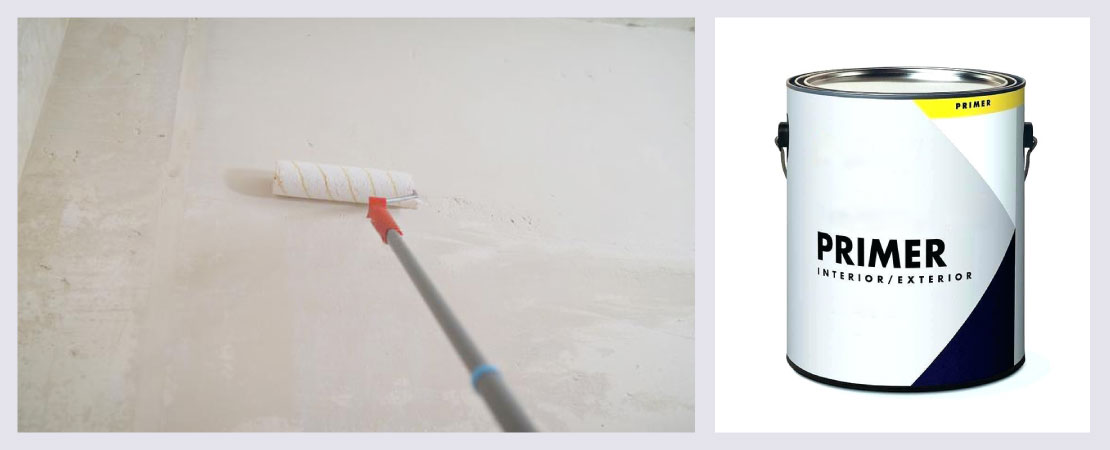
Primer is paint but without pigments, it primarily consists of resins. Primers are designed so that they create a bond with the sub surface and also with paint, to create a uniform surface which is suitable to receive the paint.

Function of Primer

Primer penetrates in the porous surface and seals the surface to ensure better coating and adhesion. It also hides imperfections and provides an even, smooth, and stable foundation for the paint. It is a problem solver providing good coverage.

Paint

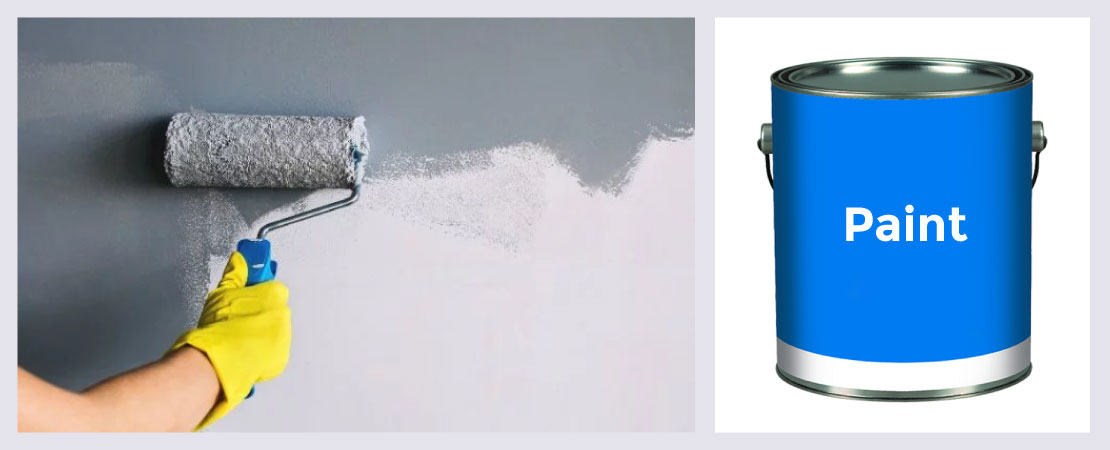
Almost the major constituents of paint remain same as a primer, plus paints contain pigments, which provides the colour. Paints contain different types of additives than primers. These additives perform a different function like providing bond and adhesion, quick drying, durability, etc.

Function of paint

Paints add colour and shininess to the surface. They make the surface finished and provide protection. Pigments in paints also help in hiding the surfaces. There are many constituents added in the paint so that it dries quickly and it gives durability, i.e. life to the paint.

If the paint is applied to an unprimed surface, it may crack, peel off within few months. For paint to last long, priming the surface with the right primer is important.

Now, We jump into a commonly asked question i.e. Is it necessary to apply Primer before painting?

The primer as the name suggests, is the primary layer that is ready to receive paint. It is nothing but paint without pigment. It improves the adhesion of paint and thereby increases durability and life of paint film. Apart from this there are other uses of primer:

Primer before paint is like the base of your paint job and can be used on wood, plastered wall, concrete, etc. Applying primer coat over new surfaces reduces the amount of paint being absorbed by the basic surface. The primer will help you in hiding joints and other small defects, when it is applied to surfaces. Basically it is paint without pigment, it serves all the functions of the paint at a lower cost, as it is the pigment which increases the cost of paint. If primer coat is not applied, you might have to apply one more coat of paint, which of course will increase the cost. It increases covering capacity of the paint and thus decreases the overall cost of painting.

If suitably applied, primer will enhance the life of the paint, and also improve the appearance. Therefore primer before paint is absolutely necessary.

Some tips for Primer Application

  1. It is essential that the primer should only be applied to dry and clean surfaces. Before the application of primer coat, the surfaces are smoothened by sand paper and dust is removed.
  2. After the primer coat application, to ensure proper drying of the primer, the surface should be painted after a few days.
  3. The surfaces that have deteriorated should be cleaned properly before the application of primer.

And follow the instructions as per manufacturer’s specification.

Proper interior and exterior surface preparations combined with primer will build an effective barrier against stains and moisture and promote full adhesion of the paint. Primer is thus very useful as it reduces the cost of overall painting and also increase the appearance and life of the paint.

One of Our Satisfied Customer – Mr. Gappu Shah

Mr. Gappu Shah, a Businessman/ Retail/ Garment/ Real Estate Developer was facing damp problems at his property. After repairing from others also, his problem was not resolved. Then he got to know about MACJ services. We then conducted Damp/ Seepage/ Leakage Inspection at his property and provided a detailed report along with relevant solutions. After that his problem solved.

UP Rera cancels registration of five stuck realty projects in Gautam Budh Nagar

With an aim to assist homebuyers get returns on their investments, the Uttar Pradesh real estate regulatory authority (UP Rera) cancelled the registration of as many as five realty projects located in Gautam Budh Nagar on December 6. This brings the number of deregistered real estate projects in the district to six. The move comes in light of developers allegedly failing to deliver the projects to buyers. However, the deregistrations have not yielded any result for buyers.

According to the law, the Rera has the right to deregister a project if the developer abandons it. After deregistration, a developer loses control of the project and the Rera has the right to either transfer rights to buyers or to a new developer.

The Rera gives an opportunity to the apartment buyers’ association to take over the stalled project and if this does not work out then a co-developer (a new developer) is engaged to revive and deliver the project.

The regulatory authority, which was formed under the Rera Act 2016 to address issues in the realty sector, has been unable to deliver justice due to legal hurdles.

“We had high hopes from real estate regulatory authority when it was formed in 2016. We thought it will deliver justice as promised in a time-bound manner and we will be able to either get our flats or our investments refunded. But we are clueless what to do now because filing case in Rera has provided no solution so far,” said Arun Chauhan, a buyer, whose family had bought two flats in Unnati Fortune Group’s Aranya project in Sector 119.

Officials of the Unnati Fortune Group were not available for comments even after repeated attempts to reach them.

The first time that UP Rera deregistered a project was Unnati Fortune’s Aranya – a residential project – in May this year, so as to allow the apartment owners’ association to finish it or bring in a co-developer.

“The Rera had deregistered the Aranya project and later, the matter reached National Company Law Tribunal (NCLT) before we could bring out any solution. The government has laid down a process giving models to revive the realty sector and Rera is working on available models to deliver justice,” said Rajive Kumar chairman of the regulatory authority.

Similarly, the Rera’s move to allow buyers’ associations to take over a Noida-based housing project by Shubhkamna developer was disrupted as the matter was taken to the NCLT.

Another project deregistered by the Rera is mixed-land use project Mist Avenue (Festival City), located in Sector 143 along the Noida-Greater Noida Expressway. The promoter of Mist Avenue is lodged in Delhi’s Tihar jail and hence unavailable for comment.

The rest of the projects deregistered by the Rera are all located in Greater Noida.

The authority hopes that in future, the Rera Act 2016 provides better solutions for the realty sector and its investors.

“Whenever a new law comes into being, it has scope for improvement and revision. And with time, the Rera Act 2016 will have more clarity on complicated legal issues and will be more useful to this sector. And even now it has emerged into a successful model,” said Kumar.

According to Rera officials, engaging co-developers is not easy because of debt liabilities associated with distressed projects – no co-developer has taken up any of the six de-registered projects due to liabilities and financial strains of those projects.

“Co-developers worry about the debt that a distressed realty project already has from banks or other agencies and the rules are not explicit. There needs to be more clarity about the co-developers’ liabilities and profit portion. Once this is done, bringing about a co-developer will be convenient,” said Kumar.

“We have demanded from the government that Rera should be given more powers to deliver timely justice for the realty sector. In some cases, petition in NCLT disrupted ongoing proceedings in Rera, thereby delaying justice. We demand that the Rera should address real estate sector cases first before they reach any other court, such as NCLT,” said Prashant Tiwari, president of confederation of real estate developers association of India’s (Credai) Western UP wing.

Source: https://www.hindustantimes.com/real-estate/up-rera-cancels-registration-of-five-stuck-realty-projects-in-gautam-budh-nagar/story-aVbe6Rz3Db3AlUOF8zutOK.html

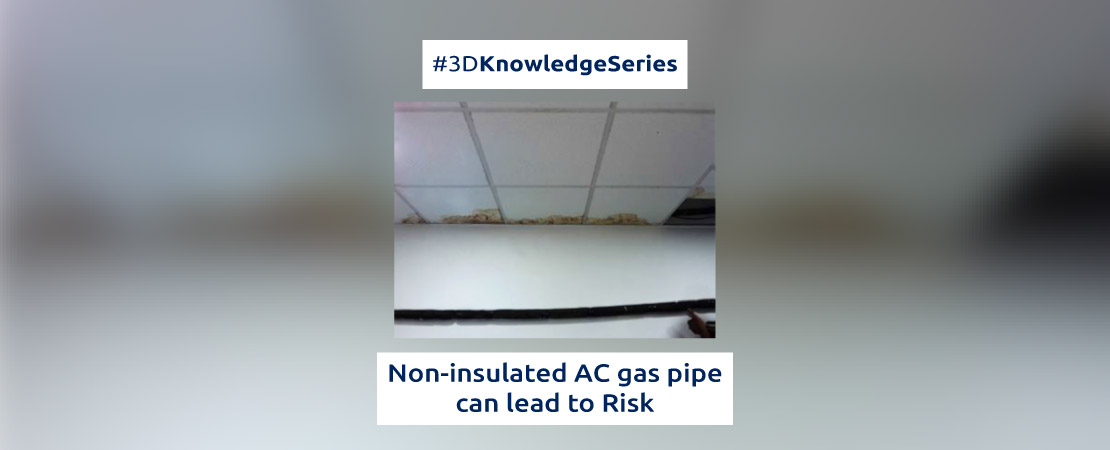
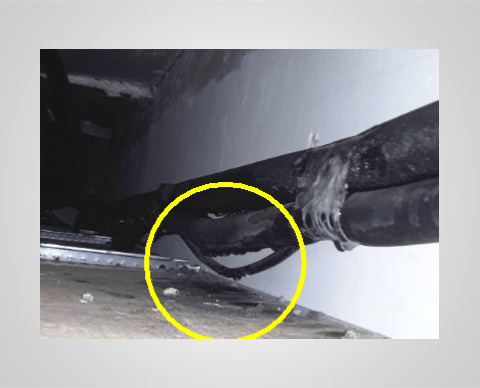
Non-insulated AC gas pipe can lead to Risk


Detect Issues

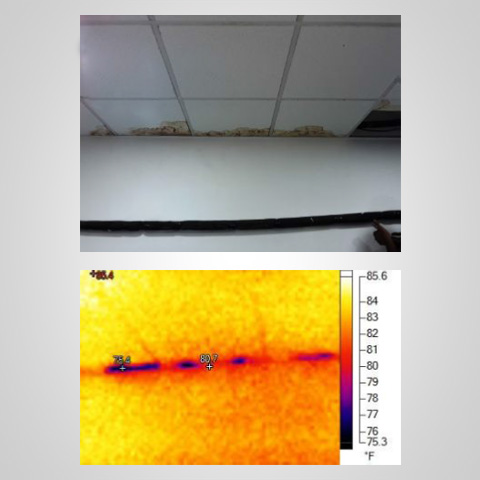
Discoloration noted on false ceiling of Electrical equipment room.


Describe Issues

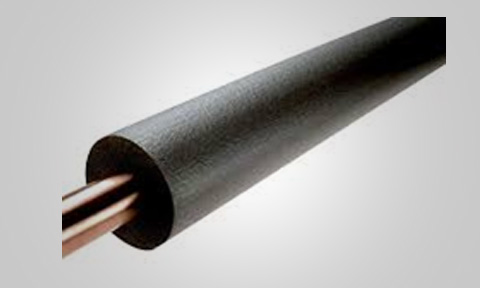
False ceiling discoloration noted on front wall side. As seen with IR image live water dripping noted from AC gas pipe running above. This happened as no insulation was provided there. This is a high risk hazard as electrical equipments are just under the dripping area. If not rectified can hamper residents by creating unsafer condition.


Direct Solutions

We recommend AC vendor to repair.

Explanation video of Home health trivia – II

MACJ – A Buyer’s Choice Home Inspections wants to explain another two trivias related to healthier home in this video. This trivia can be done with common accessories which are easily available in home. Hopefully this content would be helpful for you.

UP-RERA sends letters to over 1200 realtors informing about stress fund

New Delhi

The Uttar Pradesh Real Estate Regulatory Authority (UP-RERA) has sent letters to 1227 realtors across the state informing them about the benefit of stress fund scheme announced by central government recently.

“The step has been taken in order to ensure that the promoters of such projects are aware of the scheme so that
the projects are completed, and the home buyers of such projects are able to get their home,” said the authority in a media release.

The authority also held a meeting in November with all promoters informing them about the scheme so that they are able to apply for the last mile funds under the stress funds in time and in a proper manner.

Eligibilities which a project should meet to be able to avail the said fund:

  1. Project should be RERA registered
  2. Project is stalled due to lack of funds
  3. Project falls in affordable and middle-income group segment
  4. Project should be net worth positive
  5. Pricing of units shall not be more than Rs 1.5 crore, if the project is located in NCR region and upto or less than Rs 1 crore for rest of India
  6. Priority for projects very close to completion
  7. Carpet Area of housing units should not exceed more than 200 sq meter

The central government in November had proposed fund of Rs 25,000 crore to complete pending realty projects. Out of the total, government infused upto Rs 10,000 crore initially and the rest is to be contributed by banks, LIC and other sources.

The fund will be set up as a Category-II AIF (Alternate Investment Fund) debt fund registered with SEBI and would be professionally run. For the first AIF under the special window, SBICAP Ventures has been engaged to be the investment manager.

Source: https://realty.economictimes.indiatimes.com/news/industry/up-rera-send-letters-to-over-1200-realtors-informing-about-stress-fund/72393122

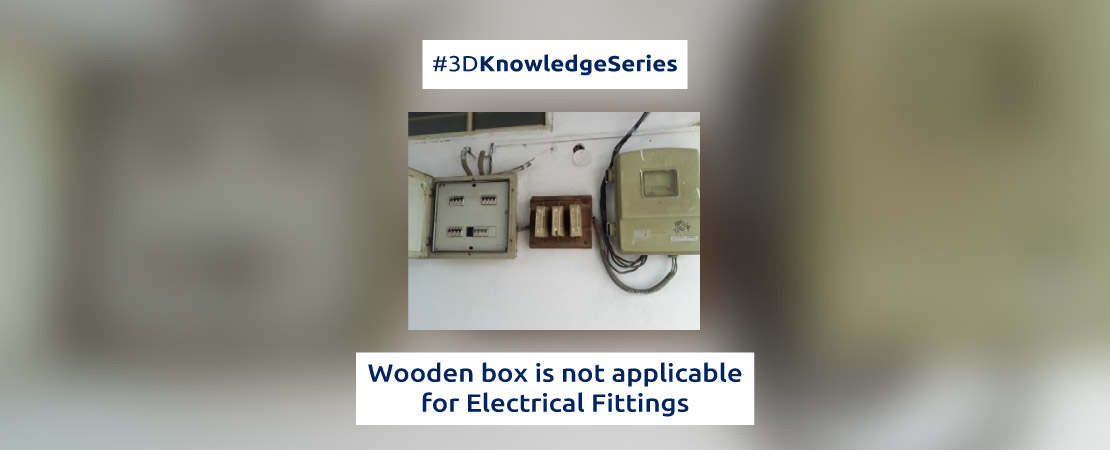
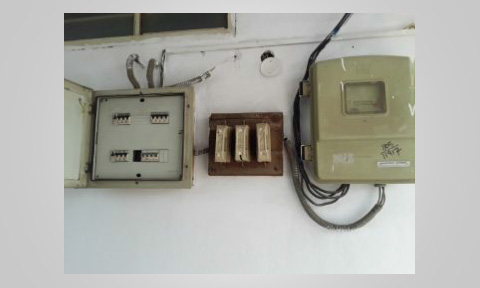
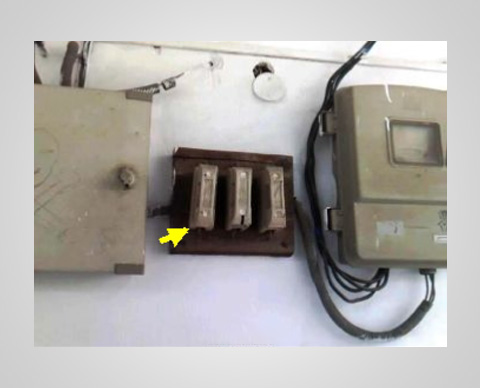
Wooden box is not applicable for Electrical Fittings


Detect Issues

Main fuse fitted over wooden box.


Describe Issues

Wood is a flammable material. If main fuse or any electrical accessory is fitted over it, there are high chances of electrical hazards. If not rectified can cause safety hazards for occupants.


Direct Solutions

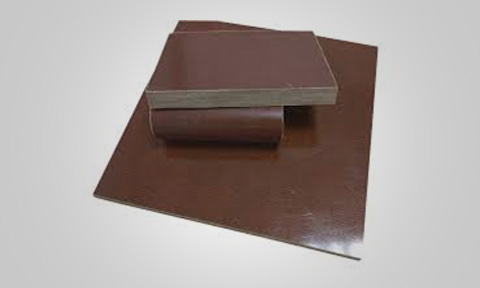
We recommend removing the wooden box and installation of bakelite sheet for fuse & D.B. mounting.

How Home Inspection Can Improve Your Property Value?

Who doesn’t dream to own a home? In India, around 69% households in urban areas are found to be living in owned houses. In rural areas, this percentage is 95%. On an average, around 86% of households live in owned houses. A humble, two-storied house, a large bungalow, or a 2BHK flat in a housing society – they may vary in shapes and sizes. But, owning a home is largely common in Indian society.

In a lifetime, no purchase is as important and as big as buying a home. Buyers are exceptionally cautious about spending their hard-earned money as a huge amount of financial transaction is involved here. It is not enough if the house is only beautiful. A property with the facility of “ready-to-move-in” is mostly preferred. Options that involve less investment of money, time and effort top the list of preferences. Buyers need assurance that the house of their choice is in good shape. They do not want their investment to go into something that would need a repair here, a brush-up there every alternate day. If as a seller or developer you can give such an assurance then, automatically your credibility increases and you can quote a higher price for your property. A home inspection is just what you would need.

Before we explain to you the positive effect of home inspection on property value, here is what the service is all about – What is Home Inspection? Learn the Basics of It..

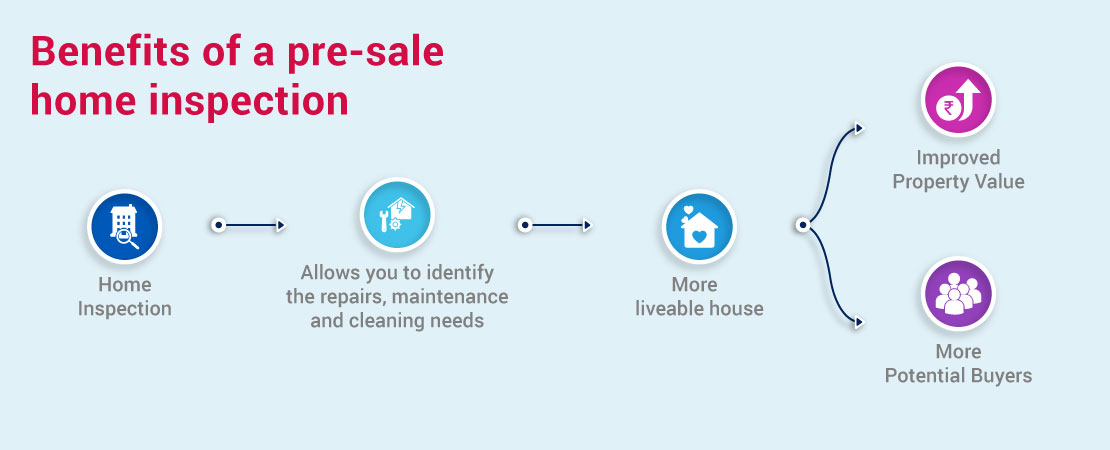
Benefits of a pre-sale home inspection

For a Homeowner/ Seller

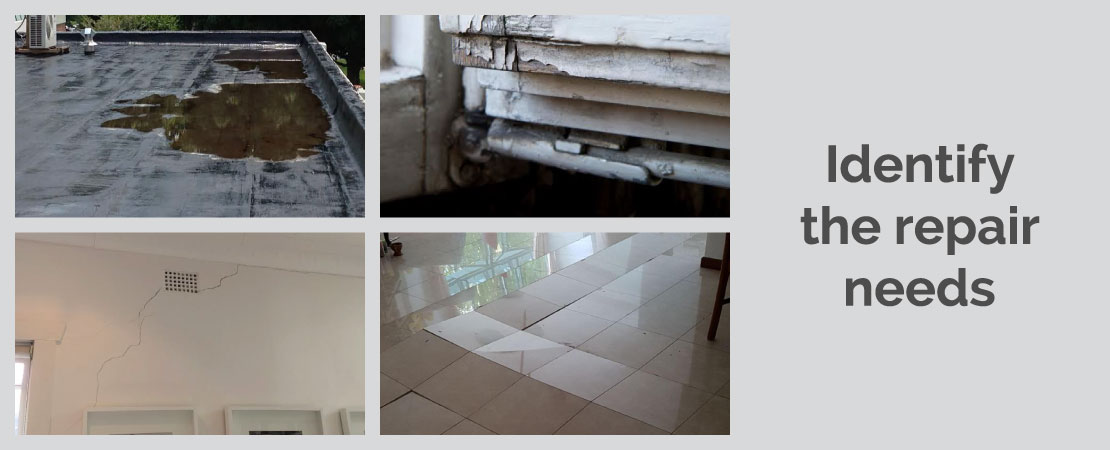
1. Identify the repair needs before selling. Result – A more alluring property
It is very much true in real estate that the first impression makes the last impression. To make sure that your house is at the top of the priority list of your buyers, you have to make it “the best” in the market. A beautiful house is definitely enough to attract attention. But, it needs to be in perfect condition as well. How can you ensure that without inspecting it in the first place?

Getting a third party perspective, in this case, proves to be even more helpful because, after all, it was your home; you are unlikely to see any real defect in it. Professional home inspectors can identify the underlying problems with your home and also make out its potential in an unbiased manner. Additionally, attending the problems would add to the aesthetics which further enhances its appeal to the buyers.

A home inspection is likely to find out some common issues you might be experiencing the outcome of. Plumbing and fixture problems, electricity issues, problems of walls, floor, and roof, damage due to moisture intrusion, leakage in the roof, etc are common outcomes you get to know about after a successful home inspection. You would think – “but these are costly to repair!” You are right. But then, why would anyone want to buy a property with so many issues at a high cost? Automatically, the perceived value of your property gets lowered.

A home inspection gives you the scope to attend the problems and mend them in a time before you put your house up for sale.

With the tendency of buyers to incline more and more towards choosing “ready to move-in” properties, it is less likely they will care even a tad bit about repairing before moving in. So, if you leave the issues unattended, the number of potential buyers will automatically become less. Once you repair them, the aesthetics and ‘liveability’ quotient of your house increase manifold and you get more buyers.

Now as a seller, you may not have the required amount of time to attend all the issues the home inspection points out. No worries. Try fixing as many issues as you can. Fix the electrical problems, mend the leaky pipes, treat the roof, ceilings and walls for dampness, and replace the locks of doors and windows. These will improve your property condition a lot and deliver a feeling to the buyer that you do care about your house. Quick and easy selling with high selling price guaranteed.

2. Lesser chances of price negotiations. Quicker and smoother selling process
You will be amazed at the issues home inspection will point out to you, many of them you were completely in the dark about. You can attend them once you get the report within a few days.

If you leave it upon the buyers to call for home inspection, be prepared for 3 consequences, any of which would follow. The buyer might fix the issues, negotiations for lower selling price will come up or no deal will take place.

Pre-sales home inspection will eliminate any surprise elements for the buyers. You, the seller, know them beforehand. You can either fix them at your cost or disclose them to prospective buyers and reduce the selling price. But don’t make the mistake of hiding them, as truth will be revealed eventually.

Early disclosure of the problems would eliminate buyers’ suspicion. Price concession negotiations will not come up either. Altogether, you will have more selling power to you and the entire process will become faster.

3. Pre-listing home inspection helps generate more number of genuine leads
To list your house on property listing websites and marketplaces1, you need to log in as an ‘owner’, ‘agent’, or ‘builder’. After that, you have to fill up the online form there with complete details of the property and post its pictures. Upon verification, your listing is made visible to your prospective buyers.

Only a good property listing – complete with all the information and pictures showing various parts of the house helps you draw more eyeballs. So, to make your property picture-perfect, you must get a thorough home inspection done and clean and repair everything that looks shabby and damaged in it.

In a nutshell, if you are a seller, try to consider everything from a home buyer’s perspective. See with a buyer’s eyes and you will know the true value of your property.

To give you a clearer idea, here are our 5 reasons to get a home inspection before listing your property for sale.

For a Developer

1. Improved trustworthiness & better business
How often have you heard marketers saying “Don’t sell a product, sell trust?” In today’s scenario, this is the ultimate truth, especially in real estate. A developer or realtor who promises a home inspection before handover and gets that heard through proper channels and promotion earns additional points. His credibility increases manifold and he can set a higher price for the property he is intending to sell.

Buyers too feel safer to enter into deals with real estate brands that promise them better service and take care of their interest. Business growth and stronger customer relationships are a natural outcome.

Click here to know more for further details.

2. Home inspection and property value: How is a buyer benefitted?
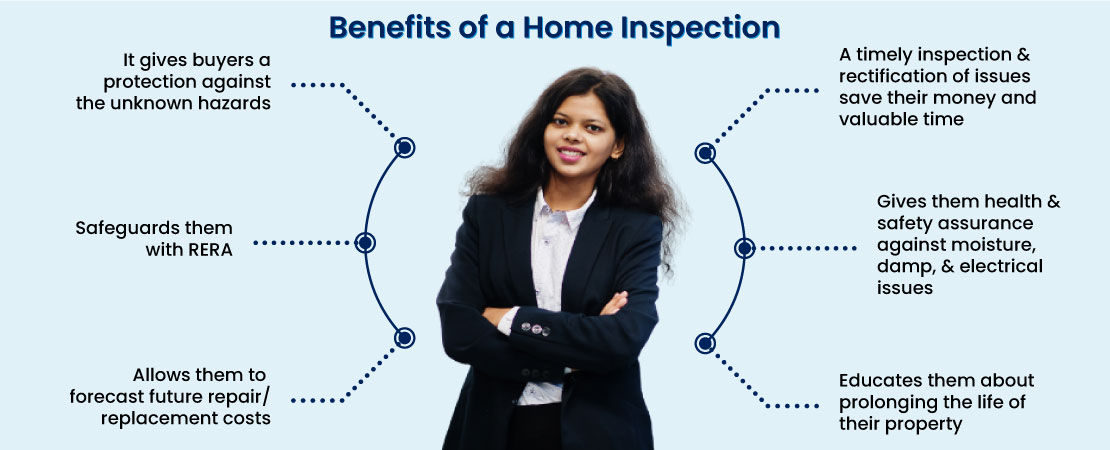
Today’s home buyers are much aware and cautious about what they are buying. They bank on information and genuine reviews before making an investment decision. So, when a seller or developer gives them the assurance of a pre-sale home inspection, they feel safe about that deal. Because, home inspection for a buyer comes with a bunch of advantages:

  • It gives buyers a protection against the unknown hazards
  • A timely inspection and rectification of issues save their money and valuable time
  • Safeguards them with RERA2
  • Gives them health and safety assurance against moisture, damp, and electrical issues
  • Allows them to forecast future repair/ replacement costs
  • Educates them about prolonging the life of their property

Above everything else, a home inspection gives buyers peace of mind that comes from knowing the fact that the home they are buying has a solid foundation. It is not just a construction that looks good from outside. Its health has been checked and ‘Okayed’ by a team of experts. This very thought helps to increase the perceived value of the property in the buyer’s mind and the deal reaches its completion smoothly.

Hence, the property value is definitely increased by home inspection. If you are planning a buy a new home or planning to put your home up for sale, do make sure you opt for the service or else you will get to face unwanted issues, a complete ‘un’-match for your dream abode. Call for it now and schedule a home inspection.

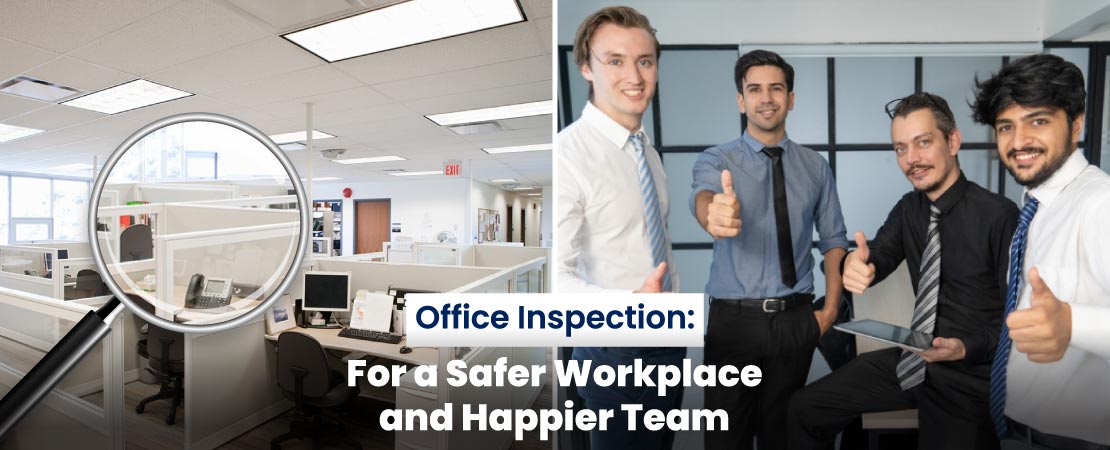
Office Inspection: For a Safer Workplace and Happier Team

Almost on every weekend you spend time fixing something or the other in your home, right? You make it safer, more secure, eliminate any chance of damp – in simpler words, you strive to make your home more ‘liveable.’ But have you ever wondered the same issues may also be present in commercial spaces as well? If work is worship for you, your office must be your temple. Unfortunately, we do not pay the same attention to the health of the building where we spend almost 9 hours daily, working, and completely skip office inspection – well, almost, in most cases! It is high time we became aware of the attention commercial properties need. It will cumulatively make our life in and outside our home much safer and beautiful.

Quite similar to home inspection, office inspection also covers a wide range of services. To get an idea of what all comes under the umbrella of this so-called ‘inspection,’ read this article on Diversity of Home Inspection.

Major services under office inspection

Maintaining health and safety at the workplace is of utmost importance. Hazards can take place due to plumbing issues, electrical issues, and leakage or damp problems. All of them need individual attention when it comes to inspection. In fact, none of these issues can be left for them to arise in the future. The concerned authority must be proactive about checking every facility at regular intervals so that the chances of faults and failures can be reduced and any downtime due to them can be avoided.

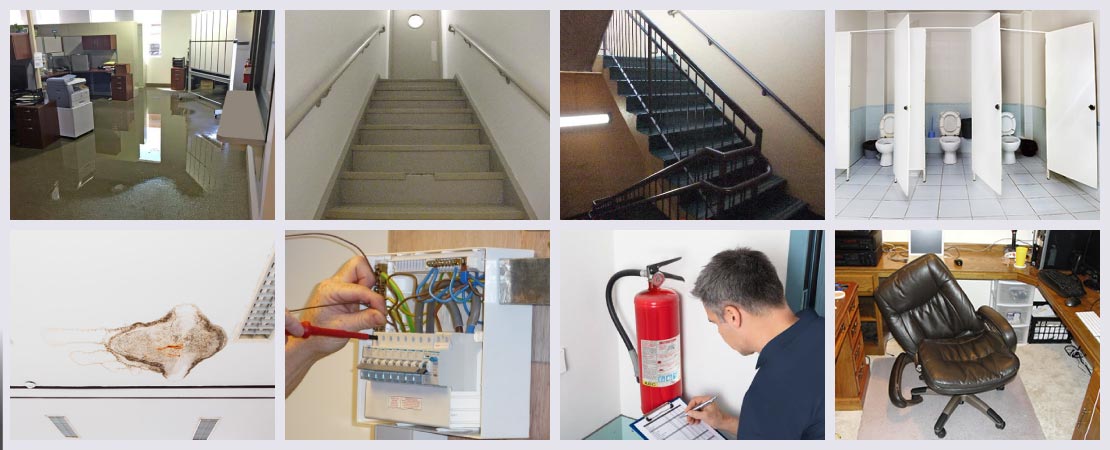
Following are the major service categories that ensure complete safety of an office building:

1. All-over inspection

Professional property inspectors conduct a non-invasive, visual examination of all the accessible areas of an office complex using modern technology and specialized tools and look for issues that require immediate but long term resolution. They even help to identify areas that may become problematic in the long run. After inspection, they generate software-driven reports (with relevant images) mentioning issues observed and deemed critical. Some of the major areas that come under the scanner include:

  • Exterior walls
    • Are there any cracks, efflorescence, or plants growing on the walls?
    • If the paint condition is good or not.
  • Basement/ driveways: Water stagnation, peripheral drainage blockage, etc.
  • Floor
    • Slope
    • Tiles – hollow tiles, joints grouting, dampness, slip resistance, etc.
  • Stairways: Condition of the handrails, height of the risers, slip resistance of the steps, lighting, etc.
  • Ladders, ramps, and guardrails
  • Roof: Covered or not, slope, drainage system, stagnant water, cracks, seepage problem, etc.
  • Plumbing system: The overall condition of the external as well as concealed piping system, leakage or blockage in the pipes, piping material, etc. Also Leakage or loose fittings in any component of the washrooms, tank, blockage in the basins, the functionality of the showers, etc.
  • Overall sanitation of the washrooms and pantry
  • Doors and windows
    • Locks and latches – Crucial for ensuring security
    • Sliding/ swinging door operability
    • Door and window frames – if there are any gaps in between them – pathways to water seepage
    • Proper opening and closure
  • Interior walls
    • Cracks
    • Paint condition – popping paint or other paint deterioration
    • Dampness/ seepage
    • Wall tiles
    • Wallpaper condition
  • Ceiling: Watery patches due to excessive condensation or leakage, paint condition, etc.
  • Electrical system: Concealed wiring, switches, plugging points, lights, and machines and appliances, safety issues, etc. Checking all these things come under electrical inspection which is further explained below.
  • Fire handling equipment
  • Furniture, material storage, and other equipment

An exhaustive list – isn’t it? Inspecting all these for issues, small or big, is crucial for maintaining basic working conditions in an office. Faults in any of these systems may otherwise lead to unexpected downtime and loss in productivity.

2. Damp Assessment and Inspection

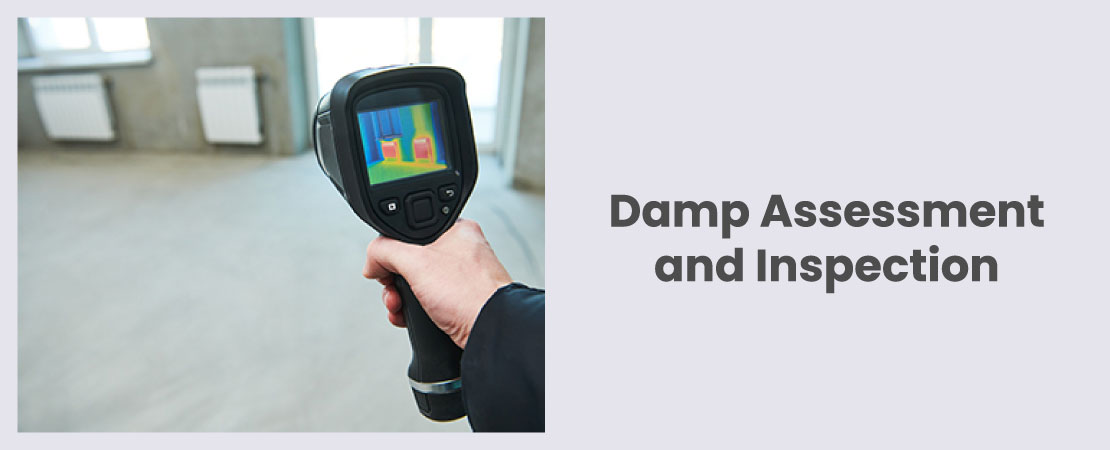
Damp can deteriorate a complete building – be it the private property or commercial space. This can be a result of faulty roofing, low-quality building materials, lack of proper ventilation or plumbing issues. Leaky pipes and fixtures are also responsible for dampness. With a proper damp assessment and inspection, you will save not only the office building but also the occupants. Damp assessment will list down the issues found in the building and inspection will reveal the sources – all with the help of advanced thermal imaging technology & tools that the inspection professionals carry with them.

Damp issues if ignored can severely affect the health of the workers as well as the building. How? Read Moisture / Damp / Seepage – The Invisible Silent Killer: Unsuspecting Criminal.

3. Electrical Inspection

Imagine a day at work when suddenly the lights went out and the computer monitors in front of the employees went blank. Reason? Short circuit, maybe. Of course, you can always call an electrician and mend the wires after it happens. But what about the loss of money and time and data when an electrical problem makes its way in?

Imagine electrical issues of a more serious nature. A short circuit can be as big as a fire break-out also and you know the consequences of it, right? To avoid any such untoward phenomenon that may also cause casualties, you must invest in a timely electrical inspection for it is a preventive maintenance function that reduces labour and material cost while reducing the amount of reactivity to failures.

To learn more about the differences between preventive and predictive maintenance, click here1.

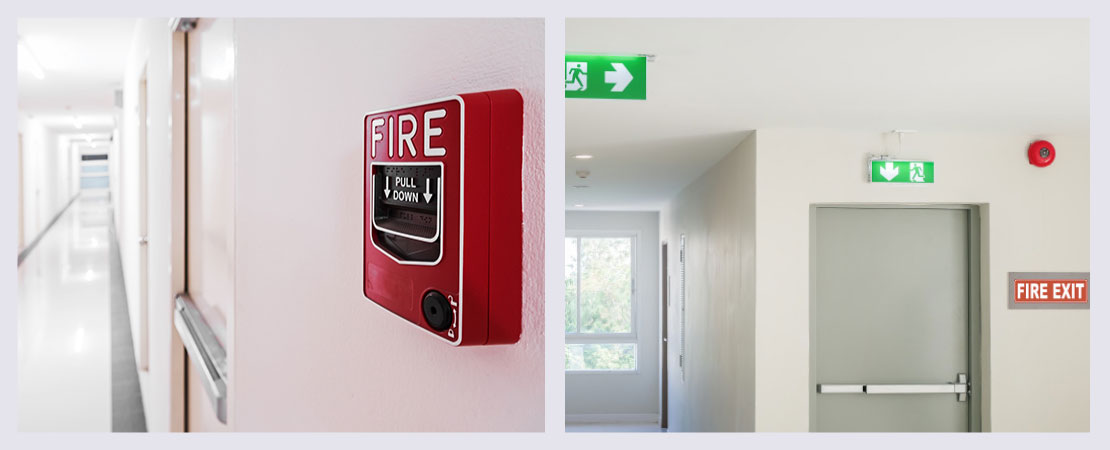
4. Checking fire safety

As already mentioned, a thorough inspection of the office building will invariably cover the aspect of fire safety. An office building is a commercial hub where many individuals come and work for long hours on a daily basis. So, there can be numerous risks of fire – some due to wrong habits like smoking in an enclosed area other than the designated zone, using ovens with LPG cylinder for cooking inside the canteen, and others due to electrical hazards.

In India, the National Building Code (NBC) published by the Bureau of Indian Standards (BIS) is the basic model code for building construction and fire safety2. For ensuring compliance under this code, commercial buildings need to use equipment/ installations that are duly certified under the BIS Certification Marks Scheme. Plus, they must also meet other quality requirements. An office inspection checks the fire safety controls and points out issues that may turn out to be hazardous in the long run. Some key areas that are looked at for ensuring fire safety include:

  • Smoking zones
  • Fire exits
  • Kitchen equipment
  • Malfunctioning appliances
  • Electrical sockets
  • Flickering lights
  • Fire safety equipment

Why office inspection so important?

It would not be exaggerating to say that office inspection is the ultimate necessary thing for your office. The inspection would eliminate a number of issues which would add to your cost and human health on a recurrent basis:

  • Safety hazards arising from faulty wiring system, non-functional switches, and unsafe working practices will be managed.
  • Unhealthy conditions inside the office, growth of fungi, microbes, and pests lead to a myriad health problems. Be it plumbing issue or faults in the designing, damp assessment and a thorough inspection would eliminate any such possibilities from the commercial space.
  • Excessive condensation problems in the building which may arise due to issues in AC installation/ maintenance and its continuous use can be checked.
  • Hazards may occur due to uneven distribution of electricity as many equipment and appliances run simultaneously in an office. With office inspection in place, all possibilities of such hazards will be eliminated.
  • If inspection points out civil issues, it will help the office authority financially also. Repairing can be done before they become severely damaged and replacement becomes the last option.
  • Though not direct, but indirectly it affects employee satisfaction also. With a safe workplace and an office regularly inspected, employees develop a feeling that the management and authority are concerned about their overall well-being. And you can never deny that satisfied employees would mean improved productivity, achievement of objectives, and increased profitability; can you?

So, there you are. Starting from the exterior environment to work stations, all come under office inspection. When qualified inspectors give your office a visit, they will point you out where attention needs to be given more. A proper office inspection covers the parking lot, storage areas, wet areas (kitchen/ bathroom units), amenities, elevators – in a word, the entire workplace.

Office inspection informs the management about the risks of any level – mild, severe or moderate. You can control the threat and continue your work-life peacefully. As much as you care about the work, give attention to the office also because it is where you spend nine hours of your day, five to six days a week. Office inspection will provide you with multiple benefits. Be proactive and reach out to a trusted home inspection service provider.