Check your Home’s Health – A Checklist

It is often said that “home is not a place, it is a feeling.” Owning a house is the ultimate dream of most people as it gives a secure feeling to an individual.

Emotion often affects the home buyer and makes it hard to imagine any problems with their new home. Every year lacs of homebuyers in India take possession of their property without knowing actual issues or defects. But they focus more on locations, rates, facilities, size, etc. before purchasing a home or apartment.

If you have bought a new / used re-sale home or apartment, home inspection becomes very important. A Home inspection ensures everything in the house is functioning properly and identifies needed repairs. Inspection is a significant way to become aware of the areas of the house that can act as a hazard or create problems in the future and also suggest solutions for specific issues. The Home inspection is an essential part that ensures a healthy home for your family.

The homeowner gets benefited from a 360 degree home inspection in the long run. The areas in your home or apartment comprise of Bedrooms, Bathrooms, Living and dining, Kitchens, Balcony, etc. The 7 basic elements in all the areas comprise of a wall, ceiling, floor, door, window, plumbing, and electrical. The checklist of a home inspection is vast and detailed. Let us explain you element-wise checklist of home inspection for Indian home/property in brief for better understanding.
1. Walls

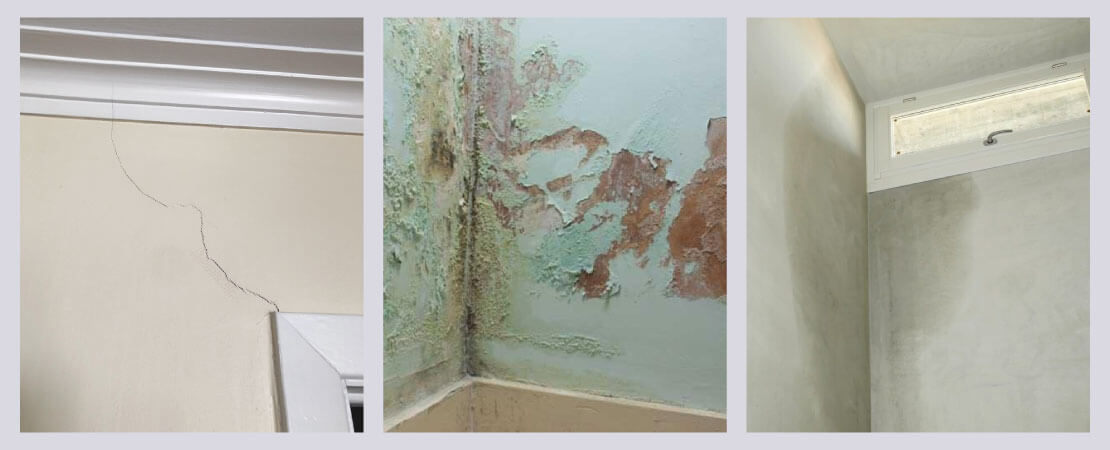
Walls are often ignored by homeowners. Wall is a continuous vertical member used to sometimes transmit load from beam to floor. It plays a significant role in a home. Having Wall Inspection done addresses you errors or issues before they become major problem.Essential points which are checked and generally observed on the wall:

  • Cracks on the wall: Fluctuation in moisture and temperature causes constant expansion and shrinkage of concrete.Various types of cracks in building mostly take place during or after construction.The cracks in building may be structural cracks1 or non-structural cracks depending on its nature. Read The causes of cracks in your house.
  • Defects depending on finish:  As there are different finishes at a different stage of construction. Defects can vary depending on the stage of inspection.  Different finishes can be plaster, putty and paint.
    • General defects on plastered surface are crazing, separation crack at joints, efflorescence and hollowness on plastered surface, Flaking & peeling off plaster, loose plaster, undulation etc.
    • General defects at putty finished wall are Surface damages,undulation,uneven, popping, peeling etc.
    • General defects at paint finished wall are uneven finish,undulation,popping, peeling, discolouration etc.
  • Dampness or Moisture on Wall: Flaking, popping, peeling, discolouration etc are visual signs of moisture. To get it rectified, it is important to detect the source of dampness and moisture through advanced technology. If not treated at the right time, this will lead to further deterioration.

Apart from this, waterproofing is checked in wet areas depending on the stage of inspection.
2. Ceiling

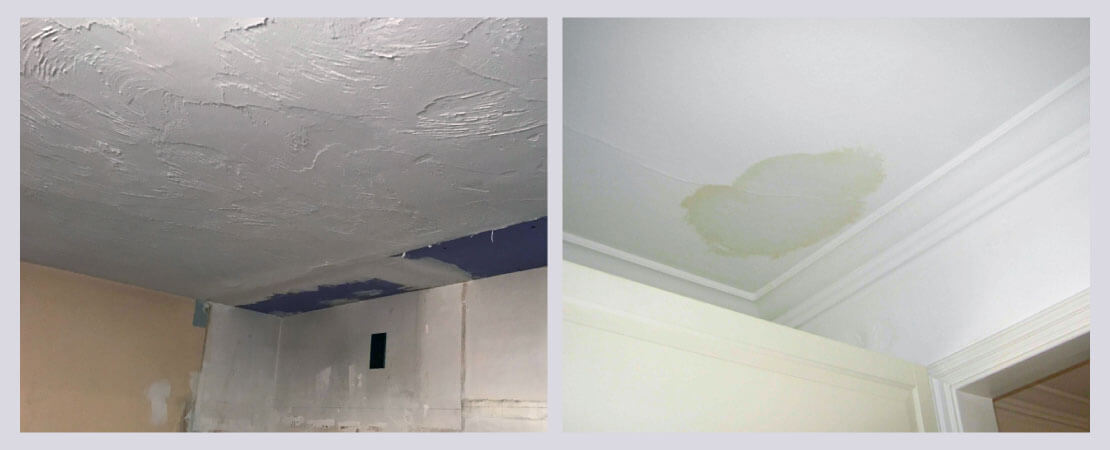
A ceiling is an overhead interior surface of a room or compartment. It can be made of RCC or masonry finish or can be a false ceiling. The Checklist varies depending on the type of material. Unevenness, undulation, crack, and other surface damages are commonly checked in most types. Similar to walls, visual signs of moisture or water stains are checked too in ceiling. Identifying the root cause of stain or other forms of moisture is the important step in dealing with it.
3. Flooring

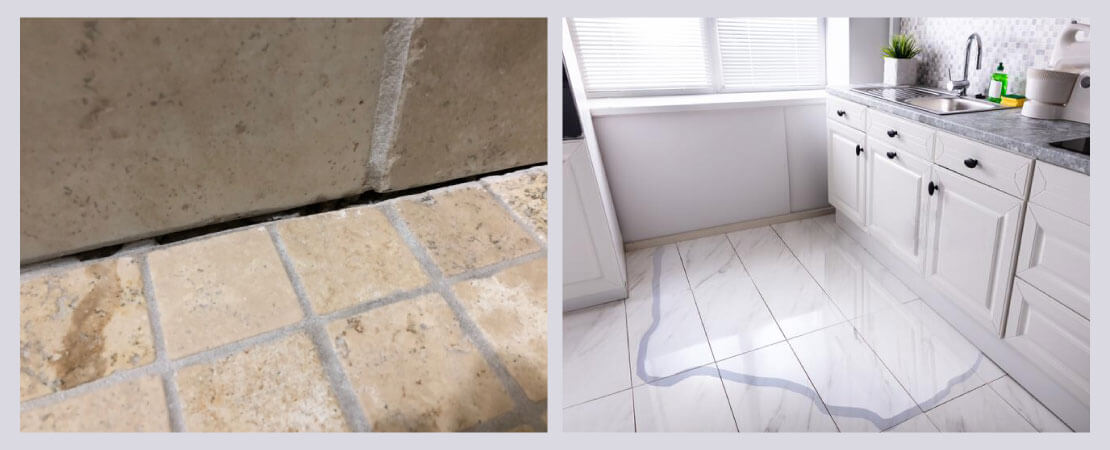
When you enter your house, flooring is the first element you feel. Flooring adds to beauty of the room. There are various types of flooring materials – tiles, marble, mosaic, Neat cement flooring etc.  Considering very common flooring(tile) , our checklist includes: Checking Hollowness on tile, cracked/broken tile, gap at tile joints, skirting fitted or not, slope at wet areas, etc. These points have their separate significance to check. Like it is necessary to check any hollow tiles present in flooring or dado. If there is any,then it can crack or get damaged on regular use. This can lead to seepage or other moisture-related problems. Similarly, gap at tiles and the incorrect slope will lead to seepage and other deterioration. So, to avoid the major cost and have hassle-free homes & living, it is very essential to check floors properly.
4. Doors

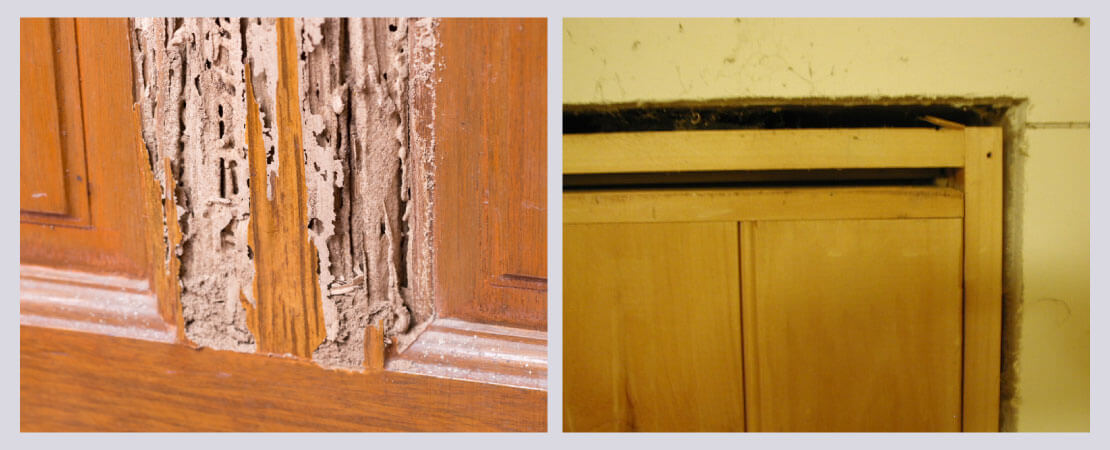
Doors play a significant role in the security of your homes. A door is a gateway and keeping that gateway strong and secure is a key factor in maintaining good home safety & security. Cracks at the frame, the gap between frame and wall, presence of borer or termite, firmness & stability, operation & functioning, alignment, other visual checks etc. are the main pointers in the checklist.  The door is properly inspected for damaged, missing, and uneven fittings.
5. Windows

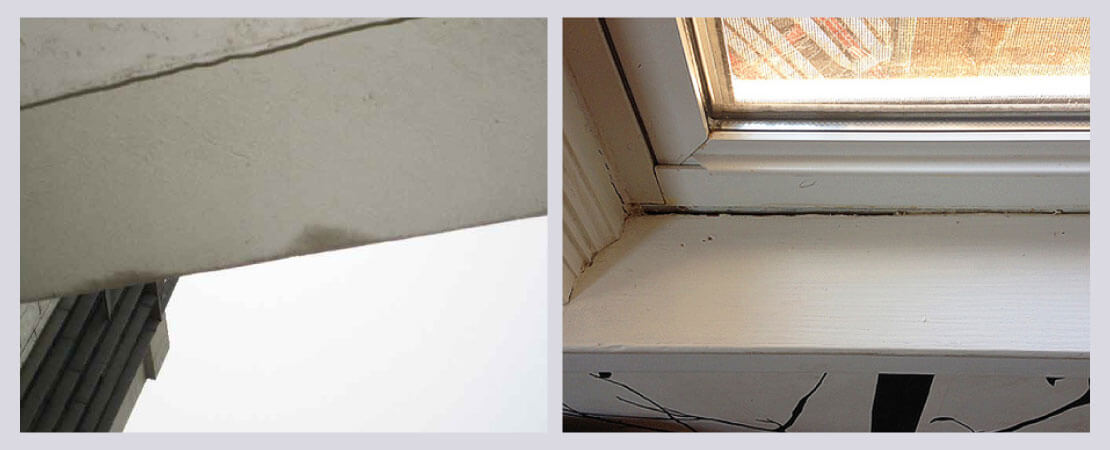
Windows are very important element for efficiency, security and appeal of your home. Apart from this, Windows provide our homes with light, warmth, and ventilation. Windows connect your home to the outer world. It is very essential to inspect your windows before you move in. Main pointers in the checklist: gap around windows frame, window installation, operation & function issue, window sill height, drip mould at chajja, etc. If there is a gap around window frame (may be due to sealant deterioration or sealant not provided), air seeping in and out of these gaps affects the energy efficiency of your home and also allows the moisture to enter inside the house which can cause severe damage to the property in future. Similarly, Chajja without drip mould may seem like a minor thing but it can let rainwater to enter home and can cause seepage problems and create hassles.
6. Electrical and Fixtures

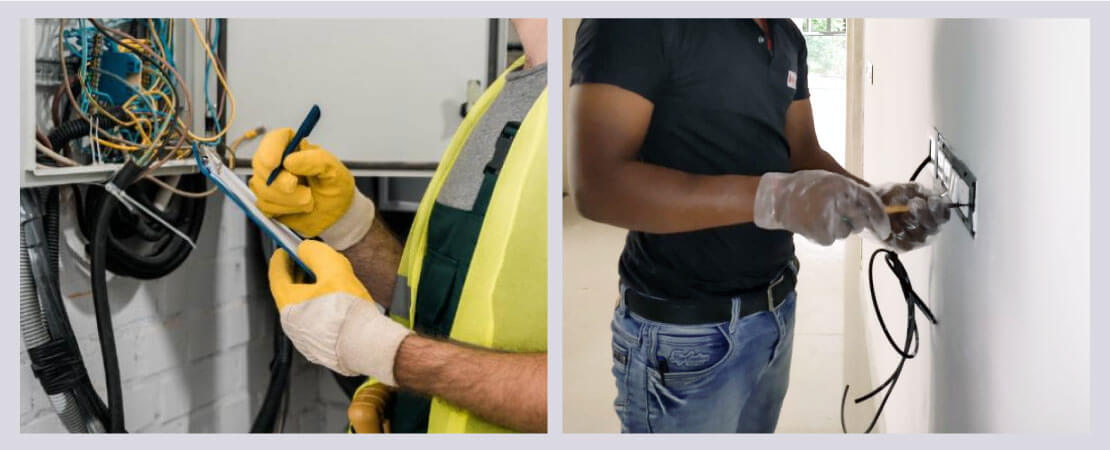
A proper electric system functioning is an important factor for healthy and safe homes. An electrical inspection implies to detailed inspection of the electrical connections, wiring and basic electrical fixtures installed in your home. Electrical Safety is our first priority during inspection. Key parameters (checklist of our inspection) include:

  • A thorough inspection of the electrical wiring system which includes detailed wiring connection & Wire Gauge.
  • Inspection of each and every switch / socket boards – Operation and wiring.
  • Position of installation of the electrical fan, light points, switch & socket boards.
  • Ensuring a home free of electrical shock & electrical accident, and better service life of electrical equipment along with electrical safety
  • Checking the functionality of RCCB2/MCB3, inadequate wire provision, improper earthling, loose connection, etc.

Apart from this need-based DB / MCB charting (Value-added service that comes with every inspection giving you the exact location of the load distribution from each MCB).
7. Plumbing and fixtures

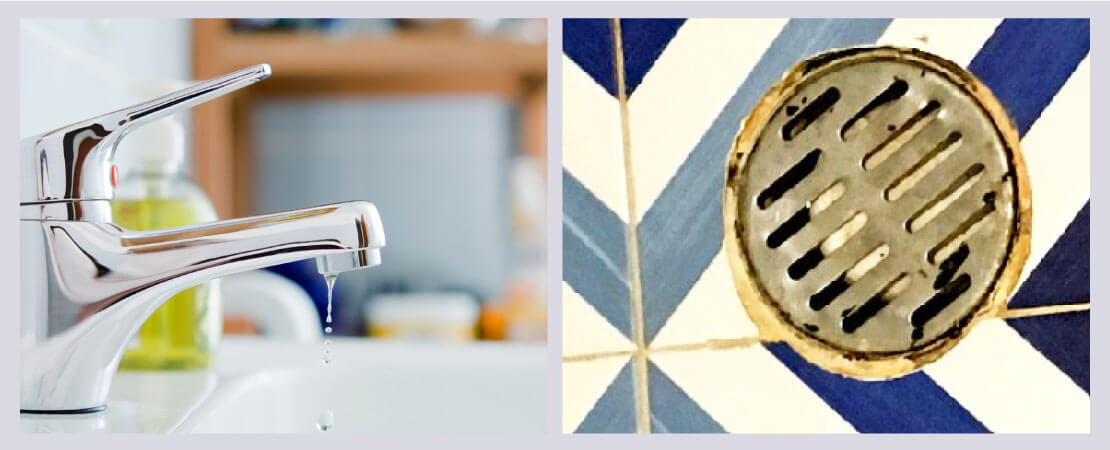
A plumbing inspection is an important part of the entire inspection process. A professional inspection can save home buyers from future inconvenience and expenses. Taking care of your home’s plumbing system is essential to keeping the clean water flowing in and flushing your home’s waste out. Few pointers of the checklist are – Checking leaky faucets & pipes, blockage in the drain, water pressure, plumbing trap condition, the gap around drain outlet, water draining properly through outlet etc.

Nobody wants to enter a home to encounter leakage, seepage, damps, and other problems regarding moisture.  You can also Check out 7 Plumbing Mistakes in Your New Home.

Apart from the above brief checklist of basic elements, identifying unsafe areas of a home is also important. We can also inspect exterior common areas like lobby area, roof etc. and fire safety depending on the requirement.

Conclusion

With the help of this content, our motive was to create awareness about the brief checklist of the home inspection process. Home inspection can show the true picture of your home/property. It minimizes the risk of your investment by showing you all the shortcomings, so that you get it repaired before it converts into a big problem. Hence, get your home/property inspected to have a safe and healthy home.
Leading Entrepreneur & a Humble Gentleman Mr. Paras Shah. Our Happy Customer.

MACJ – A Buyers Choice has conducted home inspections of around 1500 apartments within couple of years. And serving more than 1000 Happy Customers. MACJ’s objective is to change the way Indian buys a Home, by doing a pre-delivery Home Inspection. So that we get a healthy defect free Home and a much Healthier Life style.

“We are very Satisfied with the Service.” | Ms. Neha Singh

“Thanks Neha Jee for giving us the opportunity to inspect your Home. These Testimonials keep motivating us to strive for the better, and to do the Best. Our Happy Customer, Ms. Neha Singh – Listen to what she has to say about us.

A Buyer’s Choice Home Inspections, USA Expands to India in partnership with MACJ, India

Professional Home Inspection for the First Time in India

Bill Redfern, founder and CEO of internationally recognized A Buyer’s Choice Home Inspections (ABCHI), announced today a signed agreement through partnership with MACJ, India to bring the company to India with plans to open 100 units in the next five years. MACJ, India has been co-promoted by Mahendra Sureka, Arvind Kumar Bhotica along with a couple of investors.

Mr. Mahendra Sureka (Founder-CEO, MACJ India) says “Professional Home Inspections Services is the need of the hour. The demand is unlimited and we hope to provide quality & assured services with complete transparency that will fulfill the need of all stake holders, i.e., developers, home buyers, real estate agents, bankers, insurers and the government. It will fill the void of the real estate industry as well as open new avenues of skilling and providing employment opportunities in India”.

Mr. Sushil Mohta (Promoter, Merlin Group / President, CREDAI, Bengal) said that this initiative will be a boost to the industry by giving quality assurance to the end user and enhancing developers’ goodwill and brand.

Mr. Jonathan Ward (US Consulate General’s Principal Commercial Officer, Eastern / North-Eastern India) was glad that a leading American company, ABCHI has come to India to introduces its US standards and also invest in the JV.

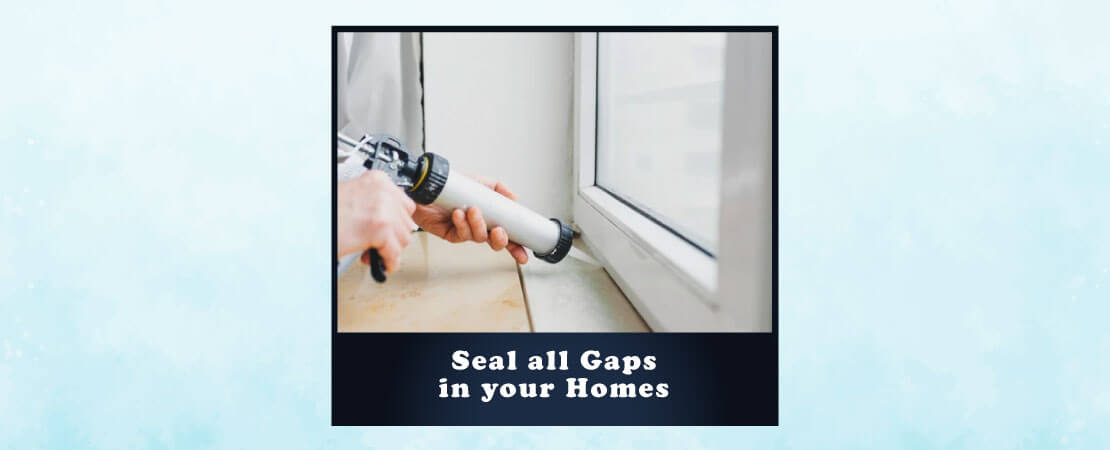
Seal all Gaps in your Homes

Most of us are so busy that we cannot even look after our home/property, so that it remains maintained in a good condition for a long time. During monsoon, we sometimes observe the presence of moisture or patches around the window or even water seepage. This usually happens due to gaps around window frame caused by sealant deterioration1 which is often over looked by a homeowner or resident. Besides, many people may not be knowing about these unfilled gaps, the reason behind it and negative effects. Hence it gets unnoticed and the result is a costlier repair & unwanted hassles.

Let us understand first – What is a Sealant?

A Sealant is a liquid form of material that usually looks, feels, and acts like a gel. Sealant is a substance used to block the passage of fluids through the surface or joints or openings in a material. For better understanding, it is a material that is used to seal the joints between materials such as concrete, aluminum etc. In general, joints are provided in the structures to prevent the damage produced by stresses.

A Sealant can keep its elasticity & stability in both temperatures – high & low. Additionally, it is resistant to other chemicals, moisture and weathering.

Application of Sealant in Home

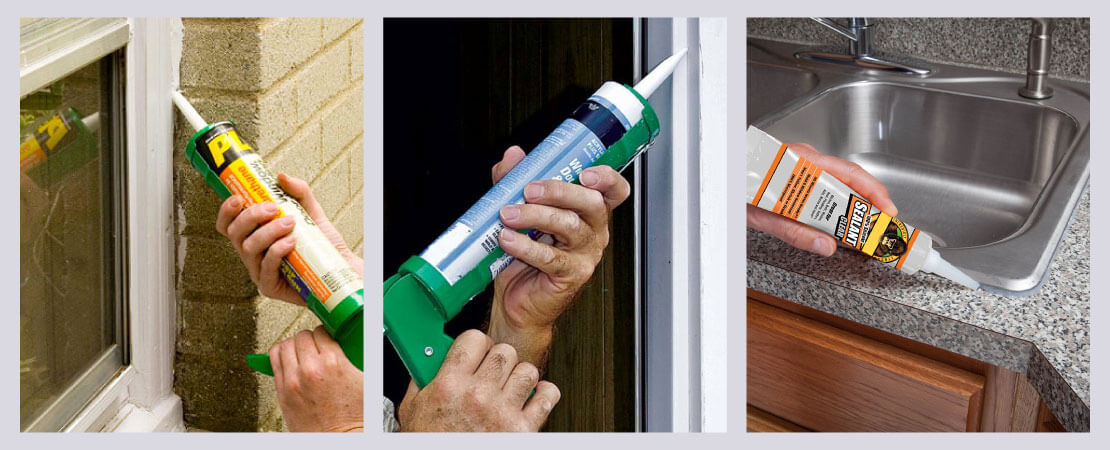
Sealants are used between materials having different thermal movement. In addition, these are also used in the glazing joints and sealing of porous surfaces to non-porous surfaces. The areas where sealants are used in the homes are:

  • Gap between wall and window frame at both sides (i.e. gap around the window frame)
  • Gap around the door frame
  • Gap around sink installation in your kitchen
  • Gap around AC gas pipe2 Sleeve
  • Joint between furniture pedestal and floor

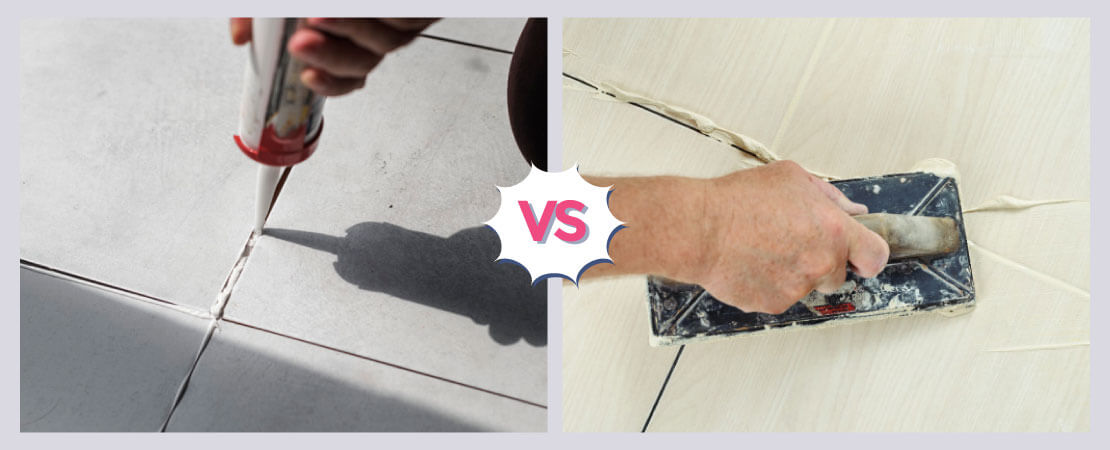
Apart from these, there are other gaps in homes like tile joints in the bathroom, counter stone joints in the kitchen etc. which need to be filled. But as the material is the same, tile or stone grout3 can be used in the joints.

Difference from other fillers (grout)

Let us just understand the difference between sealant and grout:

Sl. No. Sealant Grout
1 A sealant typically refers to a high performance compound having more expensive ingredients, little shrinkage, excellent weathering and UV resistance. A grout is any intermediate performance compound. Typically being lower quality.
2 It is usually flexible material. It is a rigid material.
3 It provides long service life cycles from 10 – 20 years. It has a service life of around 5 years.
4 It is costlier than grout. It is cost-effective.

Beside the above differentiation, there may be different materials (like tile and counter stone joint) having different movements due to thermal changes. In that case use a sealant, as it works well where differential movement can cause your grout to crack. It is very important to choose junction filler wisely to increase its longevity.

Desirable Properties

Sealants used in filling gaps, joints and cracks must be shrink free. Sealants should also have excellent bonding and adhesion properties so that these do not come off when subjected to the sun rain, heat or cold temperature.

After application and on drying, these should form a permanent elastic rubber-like seal to serve their purpose. These should therefore be UV resistant and should offer a long-term durability.

Apart from this, we want to tell you briefly about commonly used sealants among different types4. Silicone sealants are the most commonly used sealants. These are transparent and take 10 to 20 minutes to form the sealing skin over the joint or gap. There are two types of silicone sealant preferred to be used for homes.

  • General purpose silicone sealant – It is a type of sealant which is used in interior areas.
  • Exterior grade silicone sealant – It is the type of sealant which is used in exterior areas. It is more chemical resistant and can withstand different weather conditions.

Benefits of using sealant at Home

Using a good quality sealant can be very beneficial in protecting your home.Proper sealing of windows and doors is something that should not be overlooked. Now let us walk you through benefits of using sealant (related to the common use of sealing around door and window frames) which will be helpful in understanding its importance:

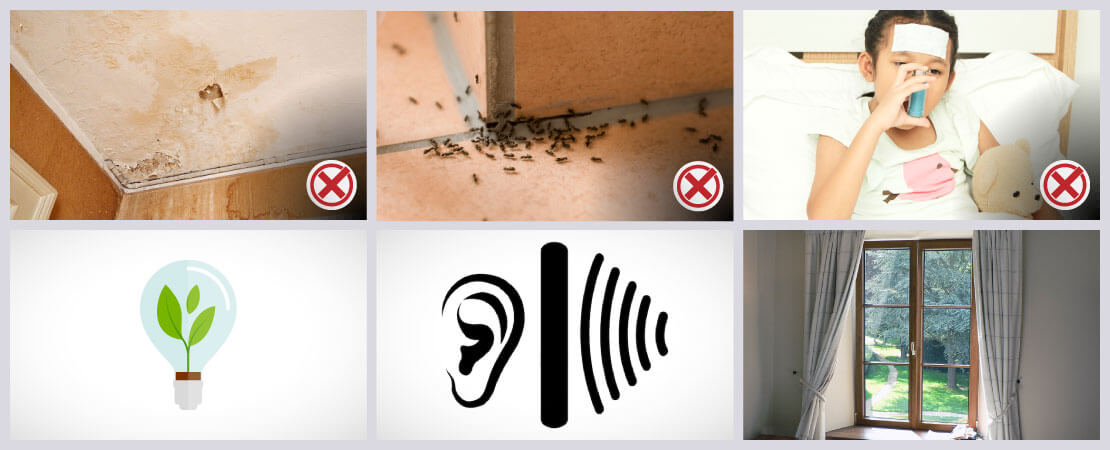
  • Saves from damage to the home/property: Due to unsealed gaps around windows (reason can be sealant deterioration or sealant not being used) and doors, the moisture / water may seep into your home. Most common damages inside homes occur due to water seepage through the gaps between window frame & external wall. This gap will be a source for moisture to flow inside the home. If the gap is not filled properly, it will lead to moisture intrusion, paint deterioration & damage to walls and other associated areas. This point is applicable to other areas of the home as well where sealant is used. Hence using sealant and checking its condition can avoid the entry of moisture in your home.
  • Keeps Insects away:Unsealed windows and doors make it easy for little creatures like mosquitoes, ants, spiders etc. to invade a home.
  • Health Factor: Besides the fact that it will keep insects from moving in, it can also be beneficial to keep pollen and allergens outside. This can be extremely helpful for those who suffer from seasonal allergies. Secondly, as we have already mentioned that moisture intrusion can occur in the home due to unsealed gaps. This will not only damage the property but also cause health hazards due to moisture.
  • Improves Energy Efficiency: If your doors and windows are properly sealed, then the temperature of the room can be maintained or regulated during both seasons (summer & winter). Improper sealing ultimately makes it more difficult for a cooling system like Air conditioner (AC) to regulate temperature. When AC is constantly working harder to regulate the required temperature within the home, chances are that energy costs will increase. Not only it will be more expensive, but it will also put more stress on the system/appliance than necessary.
  • Obstructs outside noise: Sealing windows and doors properly can also prevent street noise from entering your home and residents can continue to enjoy the peace and serenity inside their home.
  • Well maintained Window: A buildup of moisture being untreated for a period of time can cause your window (or door) to begin to warp and lose shape. Checking the condition of sealant is one of the tip for window maintenance.

Conclusion

Sealant plays a significant role in your home. When unwanted gaps are properly sealed, deterioration can be over and you can enjoy your life’s big investment for a long time. Our objective of writing this content was to tell you about the usage and importance of sealants for your home. Also, we wanted to create awareness that sometimes a small defect in your opinion like a gap around the window frame or sink, if left unnoticed can create a much bigger problem in the future.