RERA Karnataka has warned promoters to immediately put up quarterly updates on its website, failing which they would be penalized.

RERA warns builders to put up quarterly updates on website

The Real Estate Regulatory Authority – Karnataka (RERA-K) has cautioned 1,437 promoters to immediately put up quarterly updates on its website, failing which they would be penalized.

An official release on Monday said that despite repeated notices being issued to the promoters in this connection, they had failed to do so, and urged the defaulters to do it before December 31.

RERA-K Chairperson K S Latha Kumari told TNIE, “All the companies which have registered with us need to update their financial status and physical progress of work done on their respective projects every three months. It has not been done by 1,437 promoters, who have registered with us on various dates over the past three years. A good number of them have not put up even one quarterly update, despite repeatedly stressing on the need for it and issuing notices.”

The need to put up updates is mandatory under various provisions of the RERA Act, the chairperson said. “Only if the firms release the updates would RERA be in a position to assess their progress, as well as check if the amounts paid by flat purchasers are being utilised for the intended purpose,” she added. Promoters are expected to create a separate account for it and deposit 70 per cent of the amount collected into it.

RERA was also keen on redressing the problem of promoters, Kumari said. A webinar will be held by the Authority with CREDAI, other builder organisations and promoters on December 9 to understand and sort out the problems faced by builders, she added.

Source: https://www.newindianexpress.com/cities/bengaluru/2020/dec/01/rera-warns-builders-to-put-up-quarterly-updates-on-website-2230218.html

An eco-friendly home nurtures happy and healthy souls. Make Your Home Eco-Friendly in 12 Easy Ways.

Make Your Home Eco-Friendly in 12 Easy Ways

The rapid changes in environment and climate make it an absolute necessity to be alarmed for the future. Global warming is the root cause of climatic pattern disturbances, which is in turn caused by man-made pollution. Making changes in your lifestyle is a necessity. Developing your home into an eco-friendly one is an ordeal but it is definitely worth it. Try out our simple tips for turning your home into an eco-friendly one.

1. Reduce Use Of Plastic At Home
2. Use Recycled Products
3. Use Energy-efficient Lighting
4. Switch Off Appliances When Not In Use
5. Buy Low-Energy Appliances
6. Choose Your Paint With Care
7. Make Your Own Compost For Your Potted Green Friends
8. Use Natural Cleansing Products
9. Hang Your Clothes In the Sun to Dry
10. Watch Your Water Usage
11. Rainwater Harvesting
12. Manage waste at home

Changing life patterns, increased pollution, urban as well as rural industrialization has taken a toll over the environment. We have destroyed thousands of hectares of forests, polluted the water bodies, disrupted the natural habitat for millions of organisms just to fulfil our own needs. The environment we are living in is degrading every single day. It is our responsibility to save the environment and natural resources. After all, we all are living and breathing in the laps of mother nature. It only takes a bit of conscious effort to change our lifestyle to an eco-friendly one. We will also be able to save some of the existing natural resources. Sustainability is not a concept, it is a way of living. Our responsibility starts with changing our habits at home. We should strive towards changing our homes into an eco-friendly space.

Here are a few ways to make your home eco-friendly:

Try to reduce use of plastic at home. The lesser the plastic usage, the lesser is the production of non-biodegradable waste from house.

1. Reduce Use of Plastic At Home

Replace all the plastic containers in the kitchen with steel or glass containers. Use glass bottles for drinking water instead of plastic once. The lesser the plastic usage, the lesser is the production of non-biodegradable waste from our house. Try to avoid fibre utensils. Try sticking to aluminium, steel, and iron utensils for cooking. Reduce the use of polythene bags and instead use cloth or jute bags for shopping. Do not use plastic plates or cups during gatherings. Indian markets have plenty of alternatives to this like the disposable plates made of leaves. Try packing food in aluminium foils1 instead of plastic boxes.

Use recycled products to reduce energy consumption and dependency on raw materials.

2. Use Recycled Products

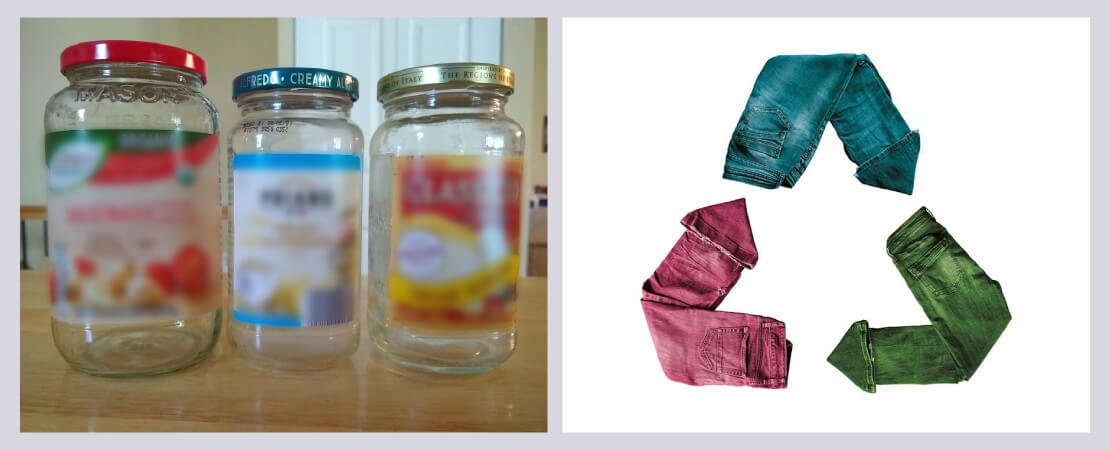
Recycling products help reducing energy consumption and dependency on raw materials. It reduces water pollution, soil pollution and to a certain extent air pollution also. There is no need for a landfill for disposing of the old items. There is no need for waste disposal. You can refurbish your furniture, paint them and give them a new makeover. Paints or polish coating is good for the long go. In case you need to buy glass containers, consider reusing empty coffee or candy jars. Empty boxes of biscuits and cakes can be used for storing small miscellaneous items.

Clean your home the greener way. Use old, discarded t-shirts or towels for making rags. Use them for dusting and mopping instead of paper and follow the 3R – Reduce, Reuse, Recycle-philosophy, literally at the ground.

Use energy efficient lighting to reduce energy consumption.

3. Use Energy-efficient Lighting

Replace all your traditional bulbs with CFLs and LEDs. Traditional lights have a higher energy consumption in comparison to the CFLs and LEDs. Traditional lights also give out 90% of their energy as heat. This raises the temperature of your house and surroundings. In a country like India with extreme summer temperatures, it is advisable to opt for LEDs and CFLs. They are a bit expensive compared to the traditional bulbs yet are much more eco-friendly.

We should switch off appliances when they are not in use.

4. Switch Off Appliances When Not In Use

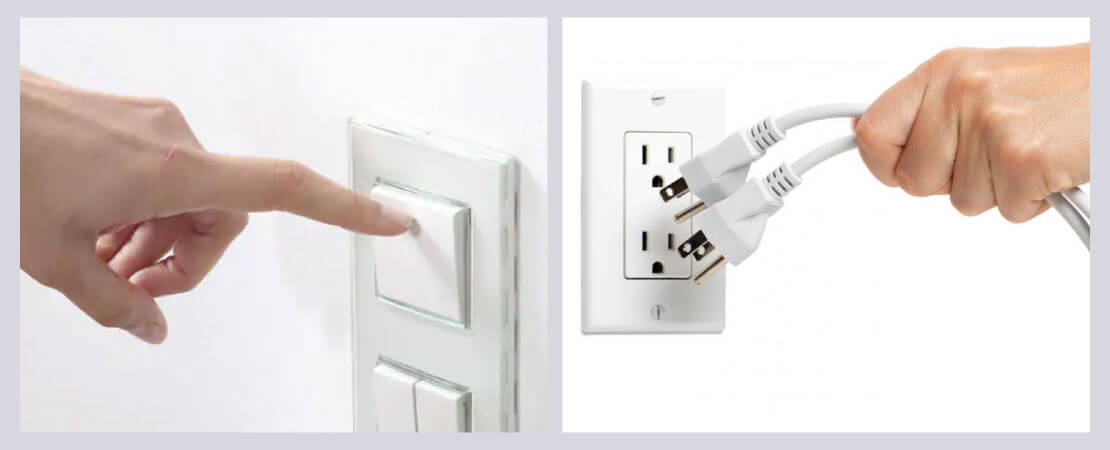
We should be extra careful that we do not waste electricity which in turn is the waste of natural resources. The production of electricity is dependent on natural resources. We should switch off appliances when they are not in use. We should make sure that we switch off fans and lights before we leave our rooms, once we finish charging our phones we must not forget to unplug the charger. These practices also save you from mishaps and accidents.

Using low energy appliances are an excellent step towards an eco-friendly home.

5. Buy Low-Energy Appliances

Using low energy appliances are an excellent step towards an eco-friendly home. BEE-labelled or eco-star labelled appliances2 will cause less wastage of energy. They are also pocket friendly in the long run. They minimize the electricity bill. When you buy washing machines, air-conditioners, refrigerators, try and invest in one with more number of eco-stars ensuring maximum energy efficiency.

There are other ways to make your home energy-efficient. To start with:

  • Switch off all lights, fans and other appliances when not in use.
  • Replace traditional glowing lights that convert almost 90% of energy into heat with LED spotlights.
  • Run the AC, not below 24- 25 degree Celsius.
  • Weatherise your home.
  • Service your appliances at regular intervals and replace them when they’re old.
  • Don’t keep your laptop on charge continuously. Once charged, unplug it.
  • Unplug all battery chargers when the gadget is fully charged.

Becoming energy-efficient starts with making little changes in your lifestyle and perspective. Take the first step and you will feel happy about making a small positive change in your surroundings.

Choose your paint with low or zero VOC to keep home safe from its harmful vapours.

6. Choose Your Paint With Care

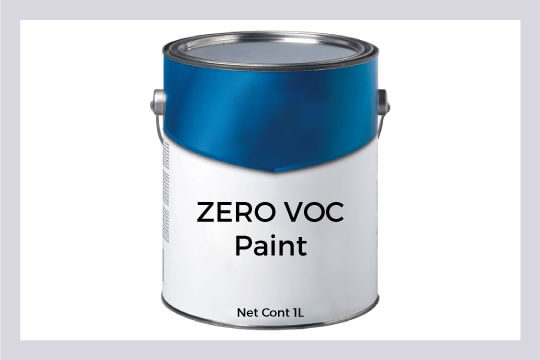
If you are noticing a rising incidence of allergies and asthma in your family, chances are that either your house is damp Or your wall paint contains high levels of VOC (volatile organic compound). Consider giving your home a makeover. Choose environmentally safe water-based paints with low or zero VOC and give a fresh lease of life to your beloved home.

7. Make Your Own Compost For Your Potted Green Friends

Make use of compost instead of chemical fertilizers and pesticides for your potted green plants.

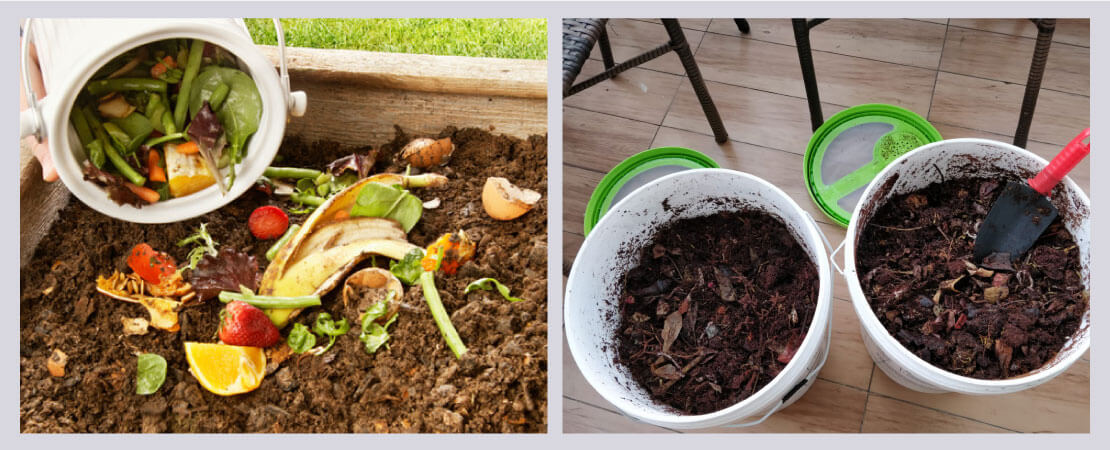
Chemical fertilizers and pesticides are harmful to the soil and plants in the long run. They can lead to various plant diseases and acidification of soil. They also contaminate the groundwater reservoirs. Compost can be made by using non-toxic biodegradable waste from your home like the vegetable peels, dry leaves, garden waste along with mud. It works as a natural fertilizer for your plants and helps them grow. It also replenishes nutrients in the soil. It restores moisture in the soil. Moreover, your biodegradable waste is used up at your home itself.

Use natural cleansing products to ensure an eco-friendly home.

8. Use Natural Cleansing Products

Chemical-based or synthetic cleansers are another threat to water bodies. When we clean our house with these cleansers, the chemicals enter the water transport system and make it unfit for drinking. They are also harmful to our health and sometimes may cause rashes and skin burns. We should switch to natural cleaners like vinegar, lemon juice, baking soda, etc. these are non-toxic, majorly non-allergic.

Drying our clothes in the sun instead of dryer cuts down our dependency on electricity.

9. Hang Your Clothes In the Sun to Dry

This is a great way to save electricity. Drying your clothes in the sun instead of dryer cuts down our dependency on electricity and instead, we use solar energy. It is also good for checking bacterial infection and growth. The UV rays of the sun are powerful against microbial growth. The clothes which are dried in the sun generally smell much fresher as compared to the ones dried using electric dryers. Clothes are warmer and the fabric – happier too!

10. Watch Your Water Usage

Keeping a track of your water usage and checking water wastage is a great step towards an eco-friendly home. There should be no wastage of water. Do not leave the tap on while brushing. Wash your dishes with closed tap and sink. In case of any water leakage or seepage make sure it is repaired at the earliest possible.

Replace your old showerhead with a modern low-flow showerhead. Such showerheads are designed to check the amount of water wasted. So, if you take shorter showers and use one of these fittings, you can surely save a lot of water. The idea is to avoid water wastage in every possible way.

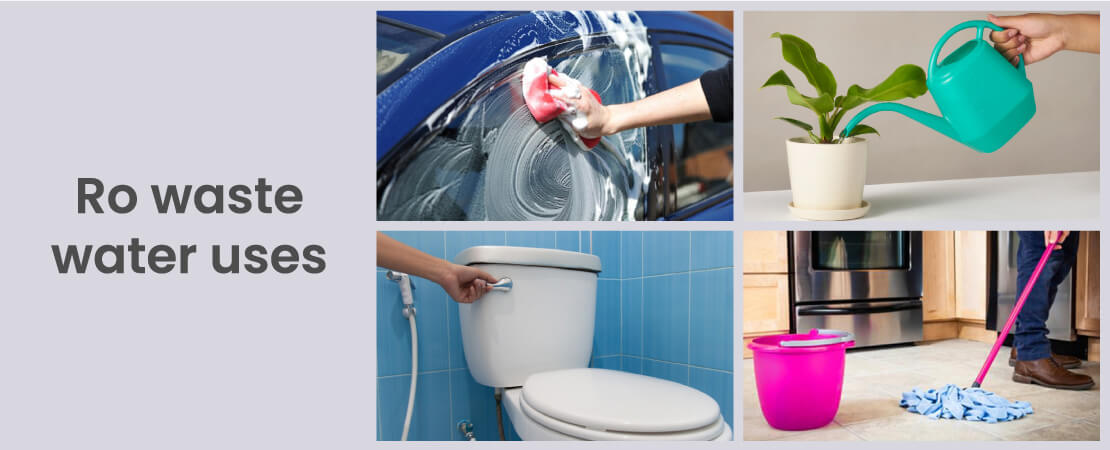
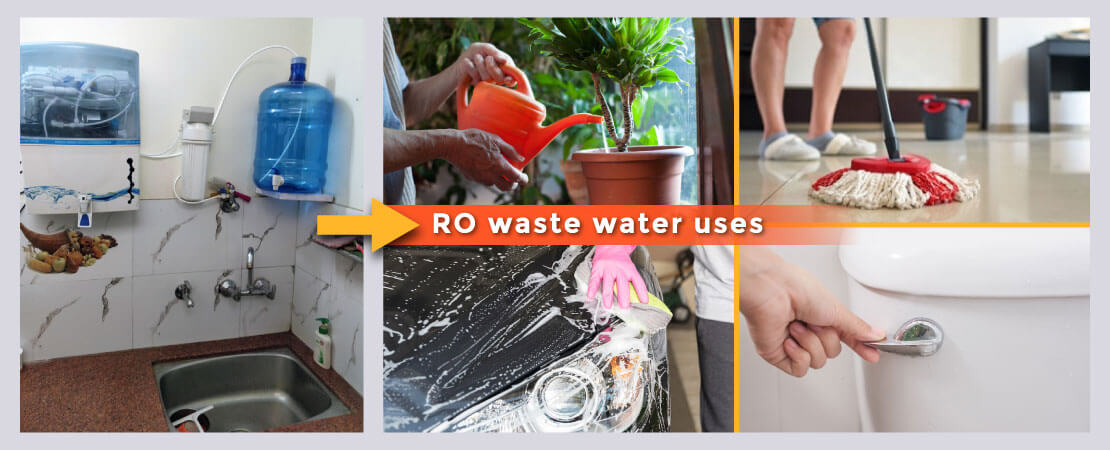
RO waste water uses can be for household chores, watering plants, washing car etc.

Coming to the other uses of water for household purposes, switch to Reverse Osmosis (RO) water purifier as that would be a good investment for many reasons3. The wastewater generated by the purifier can be used for:

  • Watering your plants (after diluting, since total dissolved solid content is too high).
  • Cleaning various items and surfaces.
  • Cleaning sewage pipes.
  • In the bathroom for flushing & cleaning.
  • Washing your car – avoid using a hosepipe; instead, use a wet sponge. It cleans better and saves water.
  • Filling your water cooler.
  • Bathing your pets.

To learn more about reuse of wastewater generated by RO water purifier, read RO waste water uses – 6 Simple Ways.

11. Rainwater Harvesting

Storing rainwater for later usage during scarcity, is rainwater harvesting. The rainwater is collected in a cistern or a large tank for future usage. It is a great step towards an eco-friendly lifestyle. Pollution has caused enough damage to freshwater bodies. Rainwater after treatment can be used for a lot of purposes ranging from cleaning to gardening. Rainwater harvesting mitigates the water scarcity during periods of drought and reduces dependency on groundwater resources. Another advantage of using rainwater is that most of the times it is free of chemicals. The only thing we need to be careful about is acid rain.

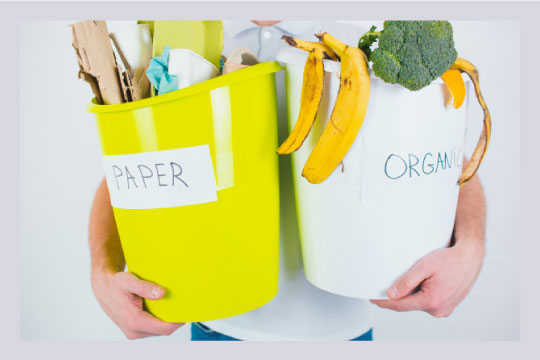
A man standing with two bins of segregated waste labelled paper and organic respectively.

12. Care to manage waste at home?

Segregate your household waste before disposal. Put wet and bio-degradable wastes like food leftovers and vegetable peel into one bin and non-biodegradable wastes like plastic packets into a separate bin. This will help you to do waste management right in your home.

Conclusion

Now that we have discussed these possible ways to make our home eco-friendly, we should actually put in the effort to change our lifestyle. Step by step we can contribute towards saving our environment for the upcoming generations, in our little small way. Recycling, Refurbishing, Unplugging will not cost us massive lump of money, but will definitely help us save the environment. Few of these tips will help you to even save money. The renovation cost of eco-friendly homes is lesser than in normal homes. You can do DIY stuff before you want to pursue it.

Home buyers have been subjected to excessive delays. Here are simultaneous proceedings, a relief for home buyers

Simultaneous proceedings a relief for homebuyers

Homebuyers have been subjected to excessive delays under the justice delivery system because construction projects have long gestation periods. From a mere contractual dispute to instances of fraud and delays in handing over the property, homebuyers face a lot of challenges. So remedies under one particular legislation may not be sufficient to cover all the offences and problems. Consequently, there is a need to give expansive remedies to them under different Acts.

In case of any dispute, they can now approach three possible forums under three different Acts: The Consumer Protection Act, 2019, as a consumer; Real Estate (Regulation and Development) Act, 2016 (RERA Act) as an allottee; and Insolvency and Bankruptcy Code, 2016, as a financial creditor.

The new Consumer Protection Act, 2019, has been a relief in more ways than one and has wide-ranging provisions with respect to both defining the offence under the Act and dispute resolution. It is also not specific to resolution like the Insolvency Code. Therefore, it is important to understand that the remedies should be simultaneous and not mutually exclusive.

The fact that the RERA Act contains a ‘bar of jurisdiction’ clause has not stopped the courts from providing the homebuyers with simultaneous remedy under the Consumer Protection Act for issues that go beyond the RERA Act. This has been for various reasons. The Punjab and Haryana HC has held in two judgments—Experion Developers Pvt. Ltd. v. State of Haryana and Ors., and Janta Land Promoters Private Limited v. Union of India and Ors—that remedies under RERA are in addition to and not in derogation of the other laws in force, taking recourse to Section 88 of the Real Estate Act.

It has held that the appropriate forum may be approached under the Consumer Protection Act in case of remedies that may not be available under RERA. This has been furthered by a recent Supreme Court judgment on the same issue in the case of M/S Imperial Structures Ltd v. Anil Patni. In the said case, the project had not been completed even after substantial booking amounts had been paid by the allottees. In 2017, the National Consumer Disputes Redressal Commission (NCDRC) was approached under the Consumer Protection Act 1986 (now amended to Consumer Protection Act, 2019); it ordered refund of the amount paid with 9% interest per annum and costs to the tune of Rs 50,000.

The NCDRC also dismissed the claim of the builder that it had no jurisdiction to adjudicate on that particular issue as the project was approved by RERA and therefore, the Regulatory Authority under the Real Estate Act was the appropriate forum. Consequently, an appeal was filed by the builder in the Supreme Court. The Division Bench at the apex court held that there was no bar in approaching the NCDRC under the provisions of RERA. This was because of two distinct reasons.

First, the court relied on its decision in Malay Kumar Ganguli v. Dr Sukumar Mukherjee, where it has been held that the NCDRC is not to be treated as a civil court as defined under the Civil Procedure Code; and Section 79 of RERA, which deals with bar on jurisdiction of other courts, will thus not cover the NCDRC. Second, that Section 71 deals with the authority’s power to adjudicate and the proviso to Section 71(1) states that the complainant under RERA may withdraw a complaint that is pending before any of the Consumer Disputes Redressal Commissions after taking permission from such forum or authority and then file a complaint under the Real Estate Act.

This clearly indicates at a legislative intent of giving an option to the complainant to either proceed simultaneously or in any of the forums distinctly, rather than mandatory withdrawal of a complaint under the Consumer Protection Act to file a complaint under RERA. These judgments are a much-needed respite to homebuyers as the remedies under the specialised Acts are very selective and may also limit the cause of action. The three reasons given above can offer an opportunity to the homebuyers to make complaints under the preferred Act or expand their rights by making simultaneous complaints in order to get exhaustive remedies.

However, while these are protective legislations, the courts shall endeavour to prevent any overlaps if the homebuyers choose to pursue simultaneous remedies. For instance, Section 12 of RERA penalises the promoter for misleading advertisements in the context of layout, plan or model of the building. Such penal consequences for misleading advertisements are also available under the Consumer Protection Act under Sections 2(28) and 10(1) more generally, which relate to any aspect of the false and misleading advertisement. Therefore, the compensation awarded will have to prevent any overlaps in these areas; otherwise, it will lead to unjust enrichment of the complainant, which is not the purpose of these Acts.

Source: https://www.newindianexpress.com/opinions/2020/nov/27/simultaneous-proceedings-a-relief-for-homebuyers-2228667.html

How to eliminate smell from bathroom? Read the article for 10 effective ways

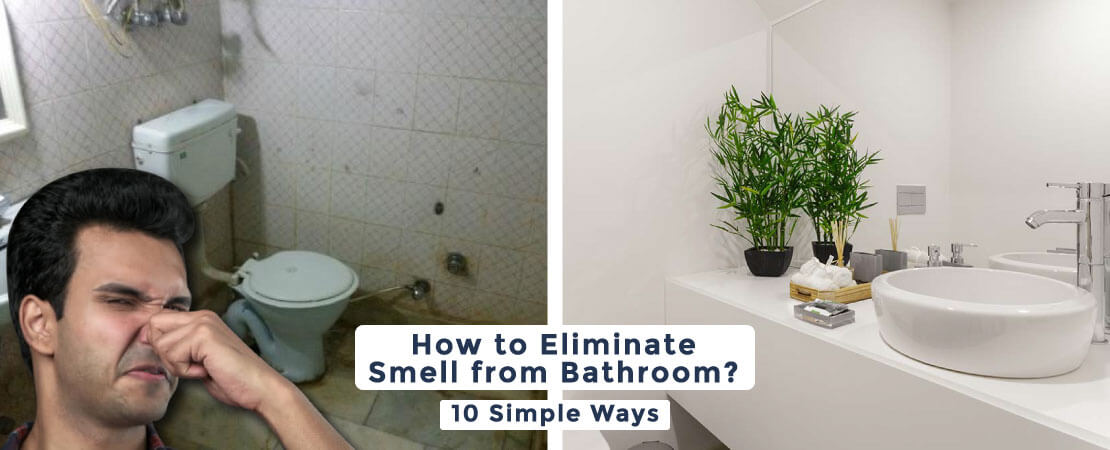
How to Eliminate Smell from Bathroom? 10 Simple Ways

Bathrooms are a multi-purpose area. From brushing your teeth to bathing, from relaxing in your tub to freshening up – all of it is associated with your own private space, your bathroom. The last thing you would want the space that refreshes you to be smelling foul. Unpleasant odour and unhygienic conditions in your bathroom are definitely not welcome. Bathroom cleanliness and hygiene is of prime importance for a healthy lifestyle and good quality living. So, follow these simple and amazing tips to freshen up your home by driving away all bad odour from your bathroom.

Hang on! Before we share the tips with you, let us tell you two ways to go about it. First, you can identify the exact source of the odour and clean that spot only and you are done. Second, make toilet cleaning a part of your daily routine – the end result you get is a sparkling clean bathroom fresh smelling as new!

Here are the tips directed towards the second approach:

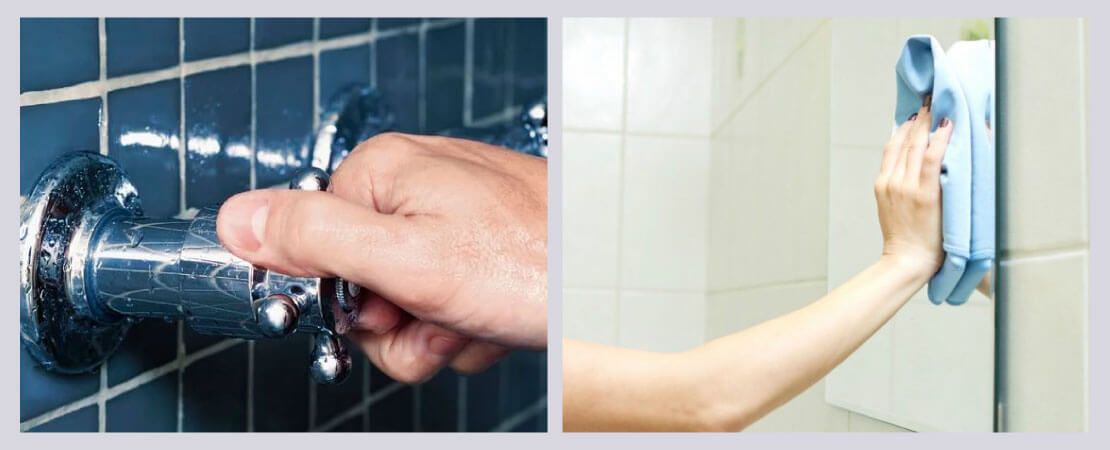
More the moisture in bathroom more will be growth of microbes. Turn off shower properly, clean a mirror with a piece of cloth.

1. Get rid of moisture!

More the moisture in your bathroom more will be the growth of microbes. This will lead to a discomforting smell inside the bathroom. After you have used the bathroom, wipe extra water off the floor, turn off the shower properly so that it doesn’t continue to drip, clean the mirror with a piece of cloth, and don’t forget to take the wet towels out to dry in the sun. In addition to these daily little things, keep a check on your fittings for any leakage / seepage. If you come across any loose faucet or leaky pipe, repair or replace it immediately. Seepage / Leakage can lead to damp & moisture related problems and to a persistent stuffy smell.

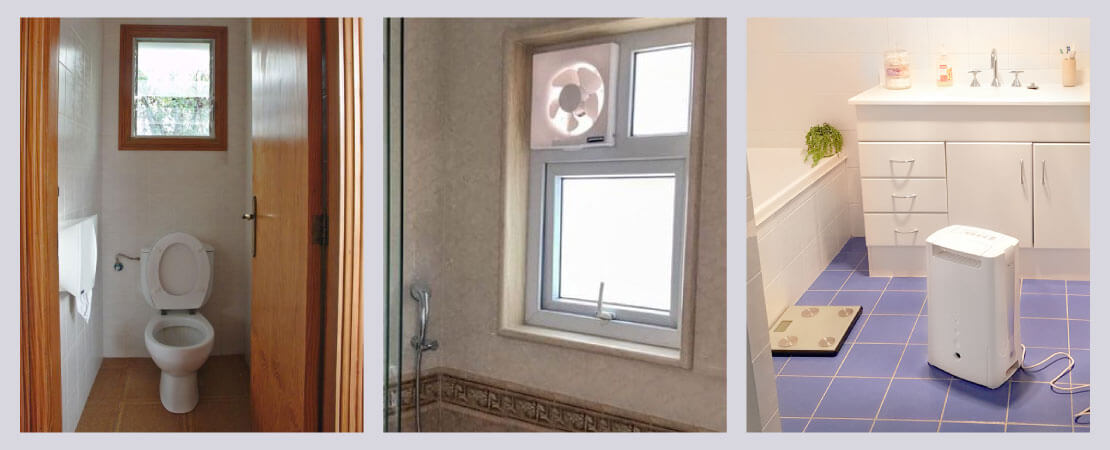
Use exhaust fan & dehumidifier for removing excess moisture & humidity.

2. Ventilate your Bathroom

Ventilation helps in the removal of trapped air and moisture from the bathroom. There is a constant movement of air which helps in freshening up the area. Any trapped foul smell escapes and a gush of fresh air rushes in. Removal of humid air checks the growth of microbes in the area. Algae and fungi are also less likely to develop in a well-ventilated space. With ventilation, humid air escapes. This causes lesser condensation on bathroom walls and other equipment leading to a clean and more hygienic environment.

One of the commonest ways to ventilate a bathroom or toilet is to install an exhaust fan at a height.

Exhaust fans or dehumidifiers in the bathrooms are primarily set up to remove hot air, excess moisture & humidity from the bathroom. It is significantly important as it is instrumental in the elimination of bad odour as well from your bathroom. An exhaust fan helps to dehumidify the air circulating in the bathroom thereby reducing damp and microbial growth.

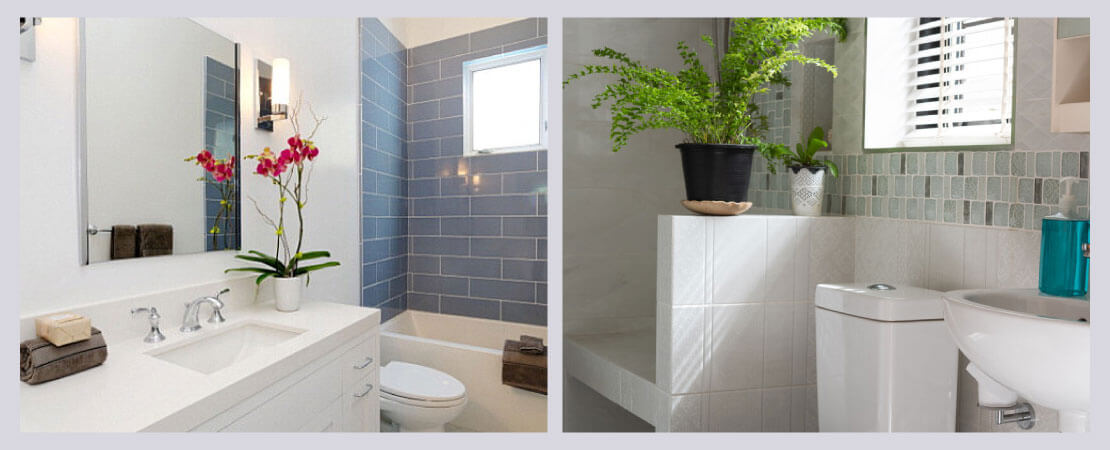
Indoor plants in bathroom will help reduce foul odour.

3. Place potted Indoor Plants

By indoor plants, we usually think of plants that thrive in the kitchen, bedroom and living rooms, but there are plants for your bathroom too. The right bathroom plants will help reduce foul odour from your bathroom, absorb moisture and also make your bathroom aesthetically beautiful. Plants which prefer a misty environment are perfect for your bathroom like ferns, orchids1, mosses and air plants. These plants will get natural environment and bloom happily inside your bathroom. They will help in recreating a waterfall-like picturesque inside your bathroom.

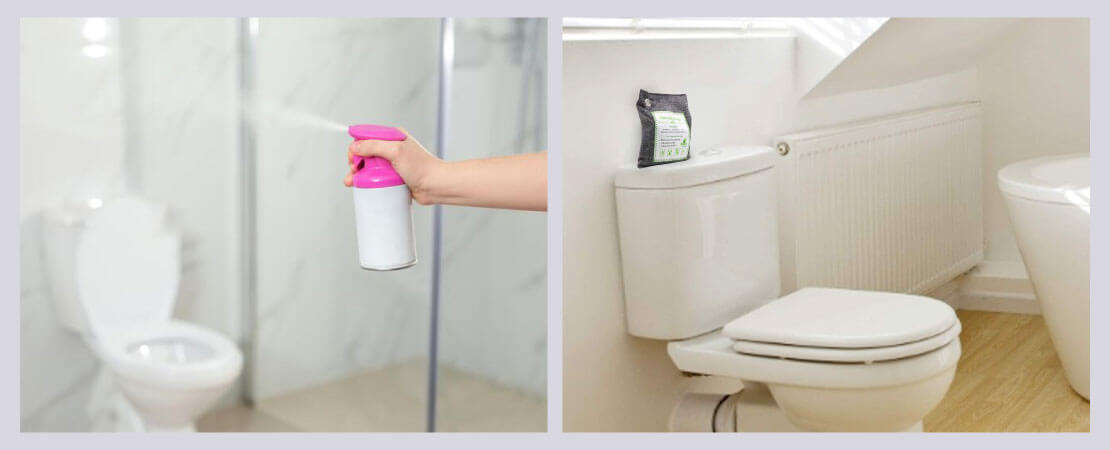
Air fresheners and activated charcoal are an effective way that help in removing bad odour from bathroom.

4. Use Air Fresheners

A huge variety of air fresheners are available in the market. Try using natural fragranced air fresheners. There are various air fresheners which contain toxic substances. Try to avoid these, as they are harmful in the long run. You can make natural air fresheners yourself by rubbing alcohol and essential oils for a fragrance like the lavender, rose, peppermint, lemon, etc.

Activated charcoal is another effective way that can help you keep foul odours at bay. However, it is an air purifier (non-electric) and not just an air freshener because, unlike the latter, it has no overpowering scent. When kept at any corner of the room, the bag of activated charcoal conceals the bad odour silently by absorbing excess moisture, micro-pollutants and allergens from the surrounding air.

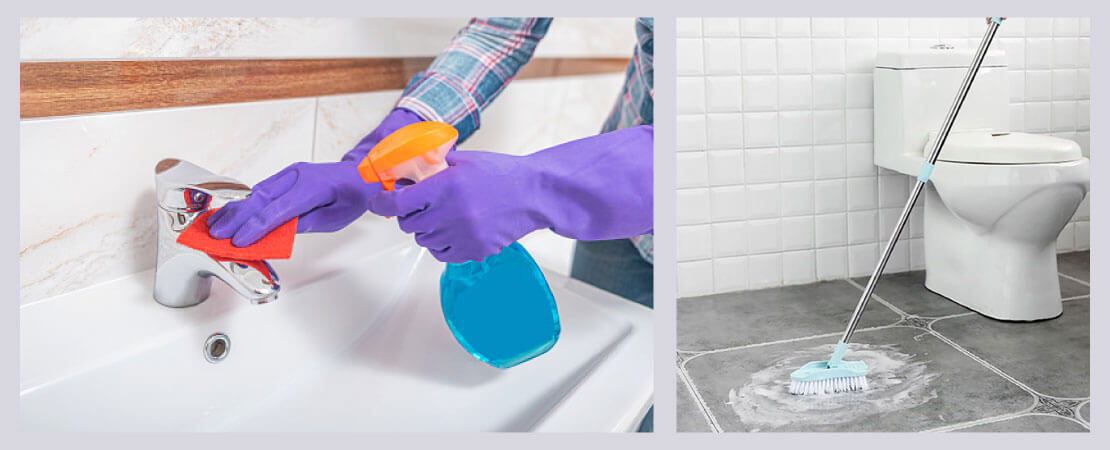
Regular cleaning and sanitising of bathroom is very important

5. Regularly Clean and Sanitise

Overall cleaning: Regular cleaning of your bathroom is extremely important. The chronic foul smell of the bathroom can only be dealt with a thorough cleaning. Use a strong but safe toilet cleaner. Clean and disinfect each and every component like the washbasin, water closet, etc once in a week. You also need to wash the wall surfaces and accessories used in toilet / bathroom and wipe them dry after it has been used by everyone in the family on a particular day.

Make sure your bathroom has no fungal growth. They tend to give out a repulsive smell as well as can be infectious. Powerful cleaners may remove them but their pungent odour may be dangerous for you to inhale. Using vinegar, instead, for removing fungal growth will be far more effective and safer.

Floor cleaning: We rarely notice but the tile joints or the grout tend to wear off with time. In its place, gaps are formed where dirt begins to settle and fungal growth happens. This also gives off an unpleasant smell which refuses to go away easily. To get rid of floor stains and dirt, you must do deep cleaning of your bathroom / toilet at regular intervals. Regrouting once in two or three years depending on the condition can further address the issue effectively.

Unclogging the outlets and drains: This is a significant step in bathroom sanitization and hygiene. Bathroom and surrounding drains when clogged tend to give out the foul smell and become breeding places for insects like mosquitoes and flies which are vectors of harmful microbes which cause serious diseases. Drains have hair, dead skin, wrappers, thick soap scum deposited in them which clog the drain giving out the obnoxious odour. This clogging also causes backflow of water in it. Unclog the drain with the help of a vacuum. For more ways, click here2.

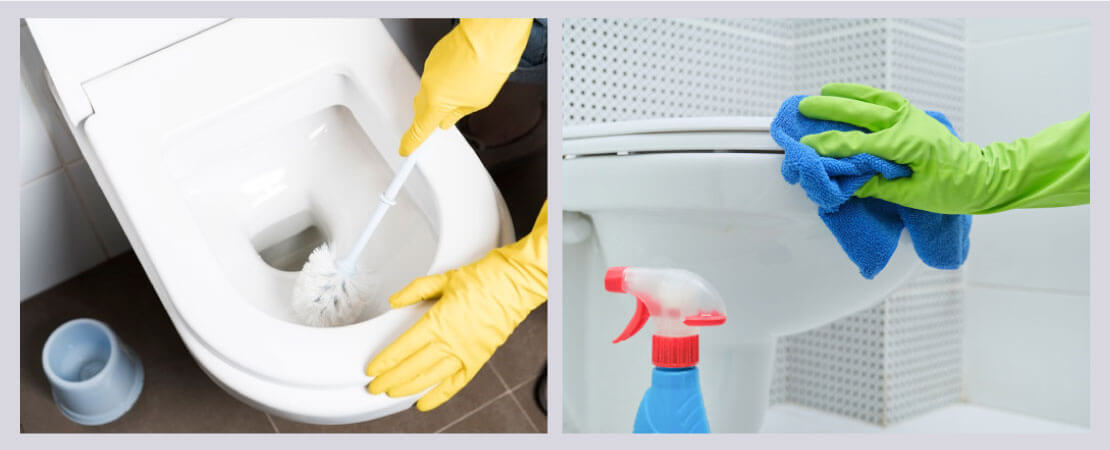
Be careful about cleanliness of the toilet bowl, as it is main reason behind unpleasant odour in bathroom.

6. Be extra careful about the cleanliness of the toilet bowl

The toilet bowl is the main reason behind the unpleasant odours in most of the cases. So it is of utmost importance to keep it sparkling clean, both for both hygiene and aesthetic purpose as well as for removing bathroom odours. Apply a readymade cleaner on the inside walls of the toilet bowl, leave it for ten to fifteen minutes, and then scrub with a brush and flush. Make sure to scrub the underside of the toilet seat, before downing the flush for they hide the filthiest of dirt. For cleaning the external part of the bowl, use paper towels and antibacterial spray. Don’t forget to reach the back areas and the bottom of the commode / water closet to complete the cleaning process.

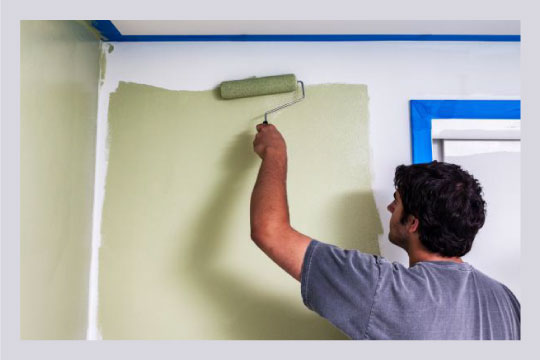
Painting your bathroom after damp removal can be really effective in doing way with bad odour.

7. Put fresh paint after damp removal

Painting your bathroom walls after removal of dampness can be really effective in doing away with the soggy bathroom odour. Bathroom paints should be strong and durable. This will not only make your bathroom look graceful but also repel insects and microbes.

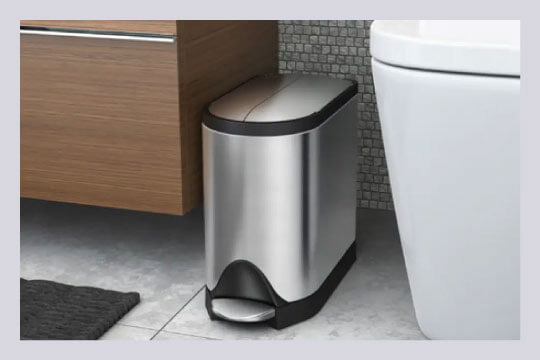
Empty the toilet trash bin daily to eliminate bad odour.

8. Empty toilet trash bins daily

This is a must. No matter how insignificant the amount of trash is, vacate the bin every day and place a fresh trash bag inside it. Once in a week, disinfect the bin to eliminate any chances of pest infestation and fungal growth that may become a potential cause of bad odours.

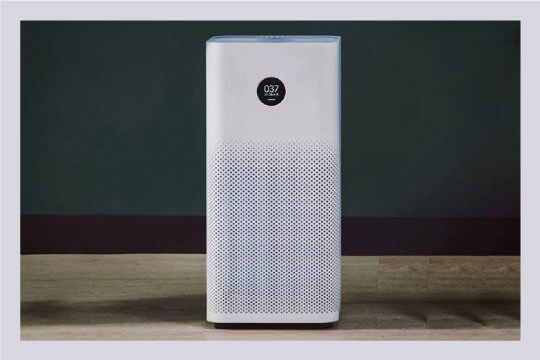
Use air purifier to remove foul odour from bathroom.

9. Invest in an air purifier

Markets presently are flooded with air purifiers of various brands and price ranges. These appliances help in the removal of any foul odour from your bathroom. Further, they trap pollens, dust and other allergens which might be harmful to you. Air purifiers have multipurpose usage. You can check online stores for budget-friendly options.

10. Other nitty-gritty of toilet odour removal

Your habits go a long way in determining how hygienic your bathroom / toilet will be. Try to be careful about changing the bath supplements like sponges and loofahs every now and then. Replacing the old items with new ones will not only give your bathroom a fresh look, but will also prevent bacteria and other odour-forming microbes from growing on them. Besides, hand, face and bath towels should also be changed from time to time to keep your bathroom smelling fresh as new, always.

Bathrooms, as said earlier, is a place for relaxation and refreshment. Any bad odour there, will definitely disturb your peace of mind. The foul smell attached to your bathroom can make you feel fatigued. Also, foul odour in your bathroom grows with time. You need to become alert as soon as it starts to turn smelly. In general, regular cleaning practices help in the maintenance of good hygiene and health. Try to focus on natural methods for cleaning instead of chemical-based products.

Certificate of Recognition – Startup India

MACJ – A Buyers Choice Home Inspections recognized as a Start-up by the Department of Industrial Policy and Promotion, Ministry of Commerce and Industry, Government of India.

by MACJ-ABCHI News
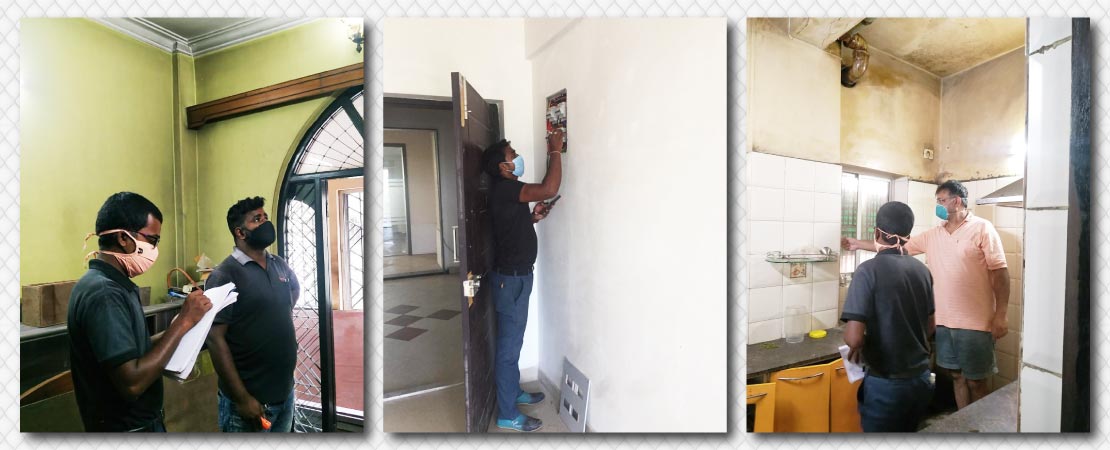
MACJ - A Buyers’ Choice performing Property & Home inspection services during the ongoing Pandemic

MACJ – A Buyers’ Choice performing Inspections during the ongoing Pandemic

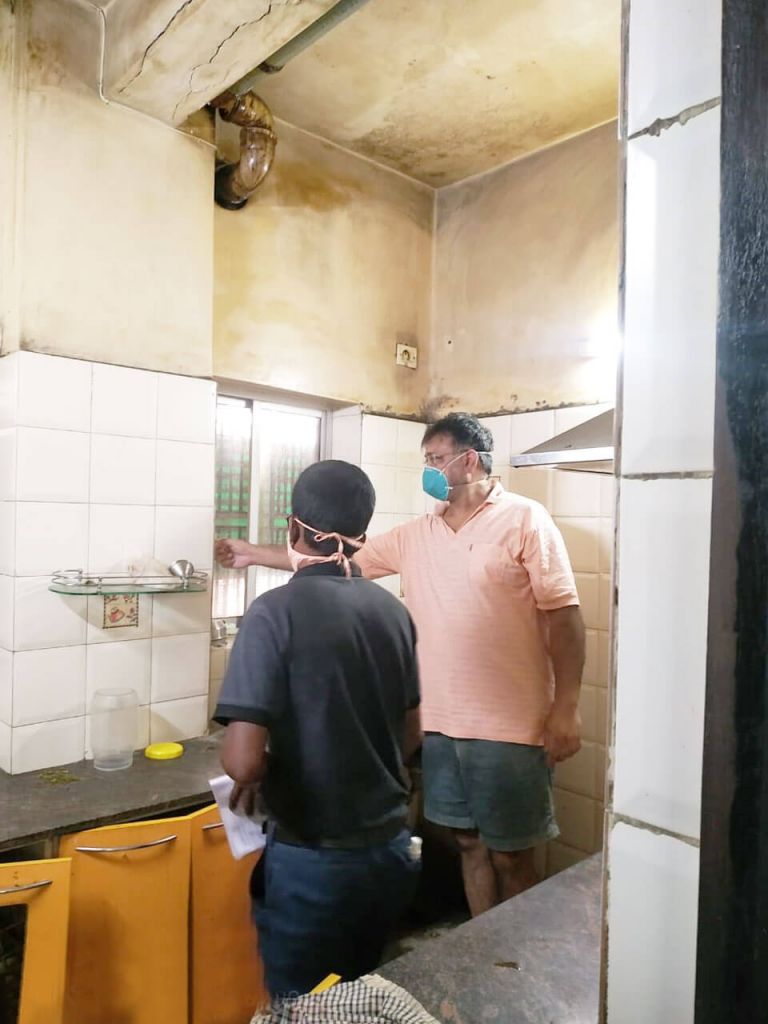
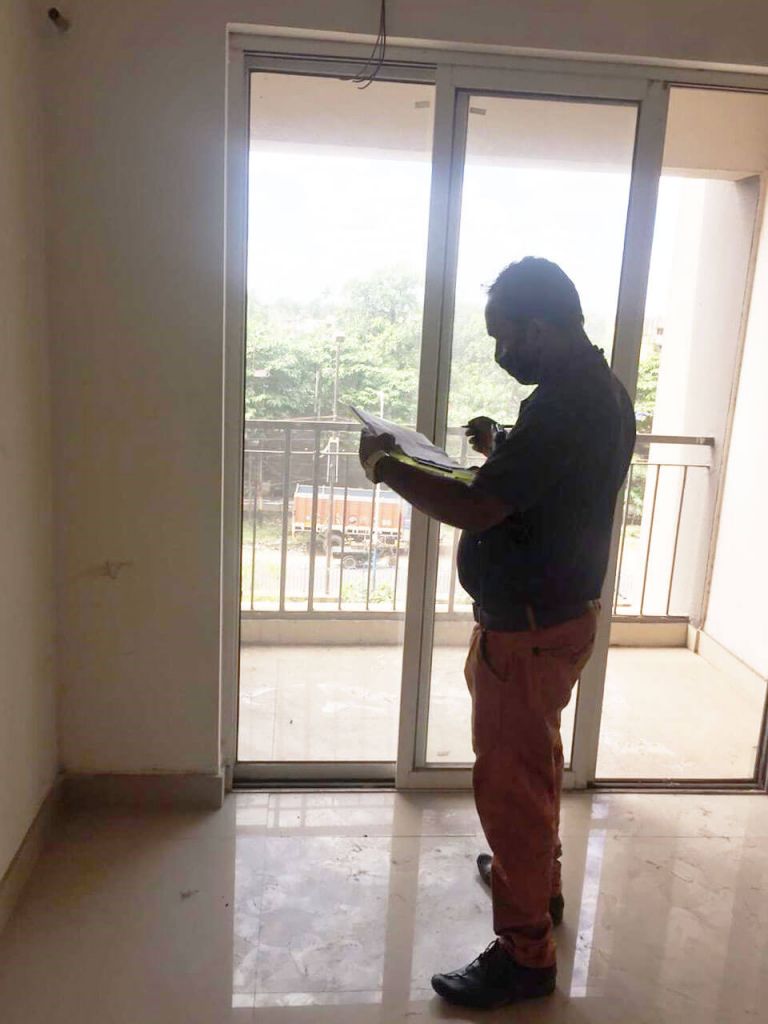
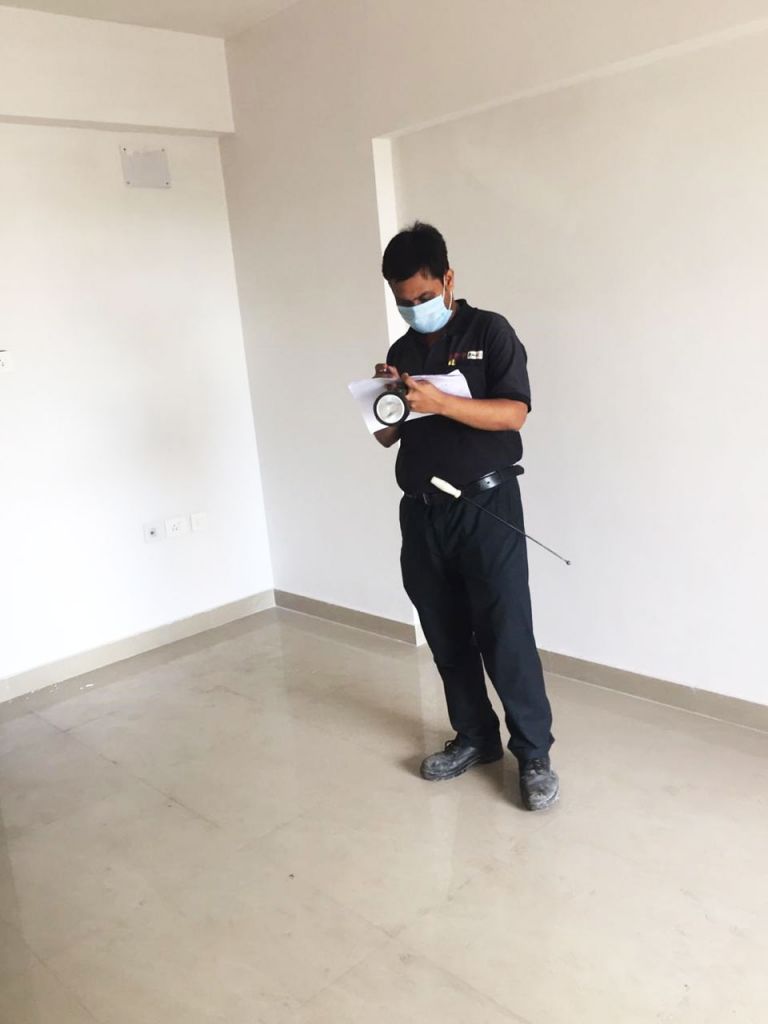
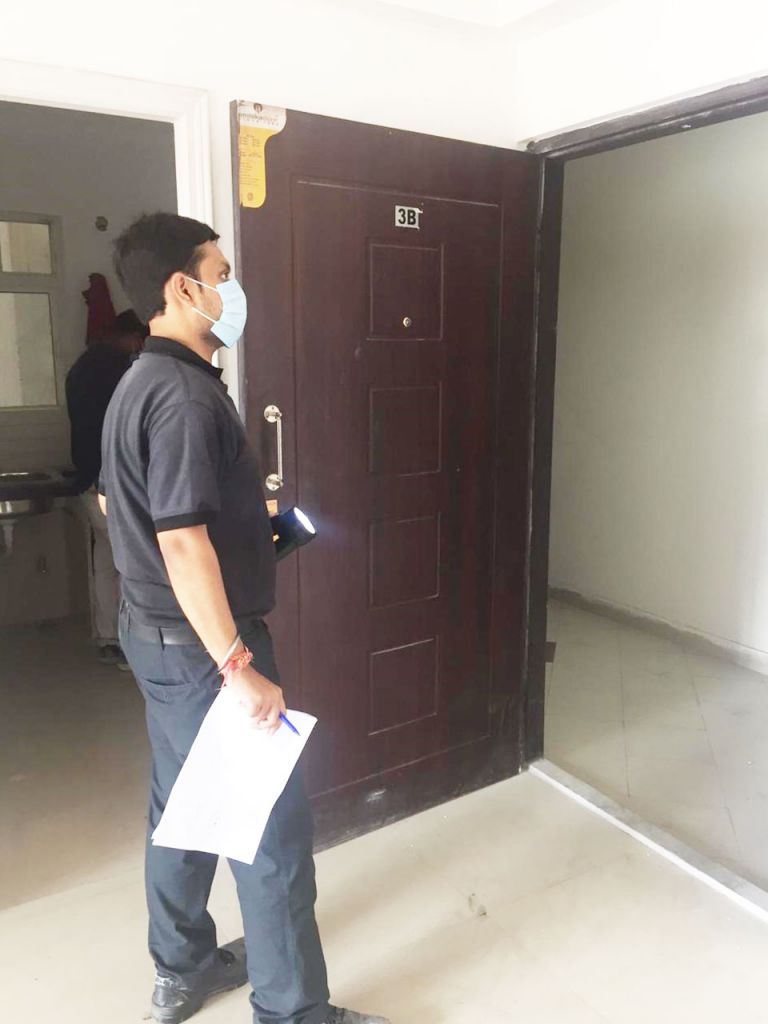
We, MACJ – A Buyer’s Choice Home Inspections are providing all our services during this coronavirus pandemic.

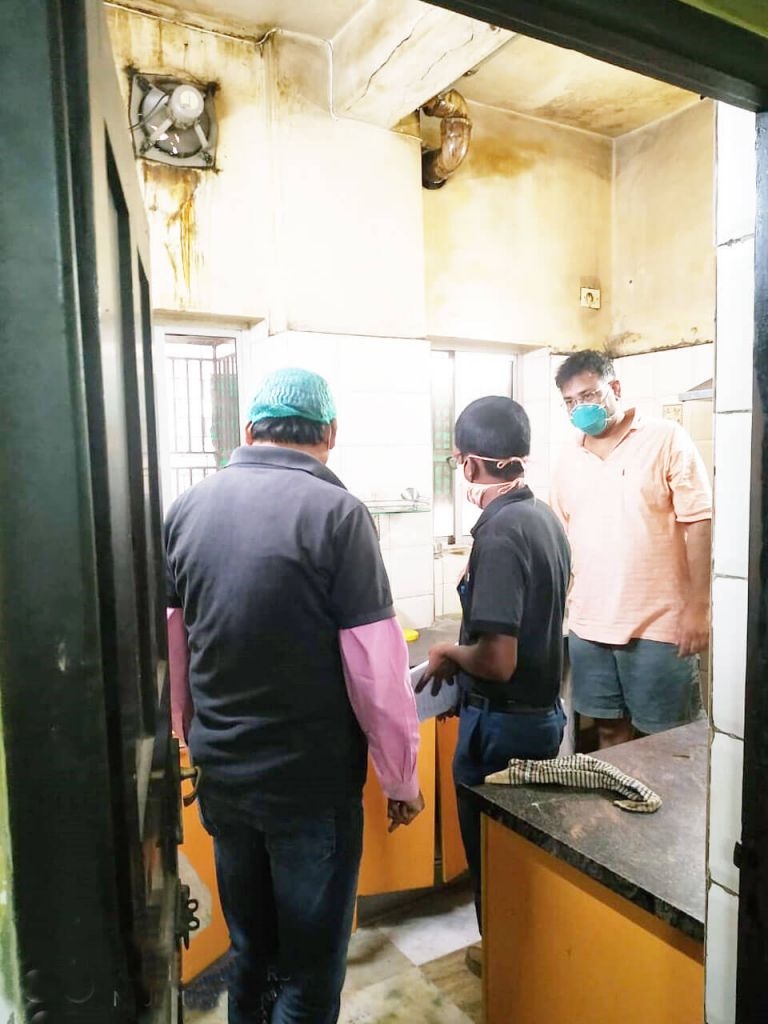
As the pandemic is still ongoing, our team takes all safety measures & precautions while inspecting a home / property.

We do complete health and safety check-ups of your home / property. We identify the issues, their exact source / reason and provide long term solution.

The health and safety of our customers and our team remain our priority.

by MACJ-ABCHI News
Rera Karnataka tries to deliver speedy justice by taking details online

Under flak, RERA-K hopes to deliver speedy justice

Even as the Real Estate Regulatory Authority (RERA-K) tries to keep up with the times and take details of its cases online, the delay in getting justice is putting off homebuyers, who are desperate after investing huge amounts of money into properties.

The inability to bring erring realtors to book is an oft-repeated complaint against the authority by buyers. Presenting statistics on the backlog up to November 6, Forum for RERA Collective Efforts General Secretary M S Shankar said, “Out of the 4,450 complains that have been filed with the authority, 2,310 have been heard and judgment delivered.

Around 90 per cent of the cases filed pertain to compensation to be paid by developers for delay in construction of projects.” RERA officials said they were trying to provide speedy justice. An order issued by RERA-K on November 3 says the Deputy Commissioner would be involved in recovering the penalty to be paid by builders, along with interest for delays in completion, or for not adhering to promises made to the buyer.

“The regulatory authority will send a notice to both the builder and homebuyers 60 days after its award seeking a compliance report. If it exceeds the time period, RERA-K will take suo moto action and issue a Revenue Recovery Certificate to the revenue authorities,” it said. RERA-K Secretary K S Latha Kumari told TNIE, “If you assess the cases, we have nearly 2,500 pending with the RERA court. More than 60 per cent have been resolved, which is a good figure.” This was an association set up just three years ago, she pointed out, adding,

“We are going all out to make everything online. Details of every complaint will be made online in future.”To speed up resolution of cases, four additional benches are being set up in addition to the existing three-member authority through a recent notification, the secretary said. “Cases to be earmarked to each bench too would be displayed online to avoid any complaint of bias,” she added.

However, Shankar questioned the rationality behind the move. “There is no provision under the RERA Act to constitute such benches at all. Validity of the benches itself is under question. This decision itself is illegal as they are functioning beyond their powers,” he said.

Source: https://www.newindianexpress.com/states/karnataka/2020/nov/18/under-flak-rera-k-hopes-to-deliver-speedy-justice-2224753.html

RO waste water uses - 6 simple ways to utilize it

RO waste water uses – 6 Simple Ways

1. Use the RO Waste Water for watering your plants
2. Use it for household chores
3. Toilet flushing and Cleaning
4. Sewage Pipe Cleaning
5. Utilize it for Car wash
6. Bathing Pets

For every Litre of potable water produced, the RO purifier generates ~ 3 litres of waste water.

Most Indians are concerned about the quality of water supplied through municipal and borewell water systems. These concerns are related to the increasing levels of pollutants and microorganisms in borewell systems and the diseases that they cause.
Most of us are switching to water purifiers for a clean & purified supply. One of the most commonly used methods, for this reason, is Reverse Osmosis (RO)1.

Every invention has its own advantages and drawbacks. RO water purifiers are one of the best examples as these machines give you pure and clean water, but also generate a substantial amount of waste water. For every litre of potable water produced, the RO purifier will generate around 3 litres of waste water. If you pass 4 litres of water through an RO purifier2, it would produce only 1 litre of drinking water. Since the purification process is gradual, we don’t even realize that a good amount of rejected water is seeping out from the waste pipe.

We all know, water is the most important & precious resource you have on this earth without which you cannot expect your life running smoothly. It is the basic necessity required in almost all daily routine which you follow and so it is your sole responsibility that you must not waste this useful resource. You cannot avoid using water purifiers considering the quality of tap water. The installation personnel generally suggests installing RO units over sinks so that the rejected water gets drained out. But you can re-use this rejected water, which is high in TDS (totally dissolved solids) and inorganic salts, for different household purposes (other than drinking and cooking purposes3) to make it useful.

How to store RO waste water for usage?

How to Save RO Waste Water and Store it

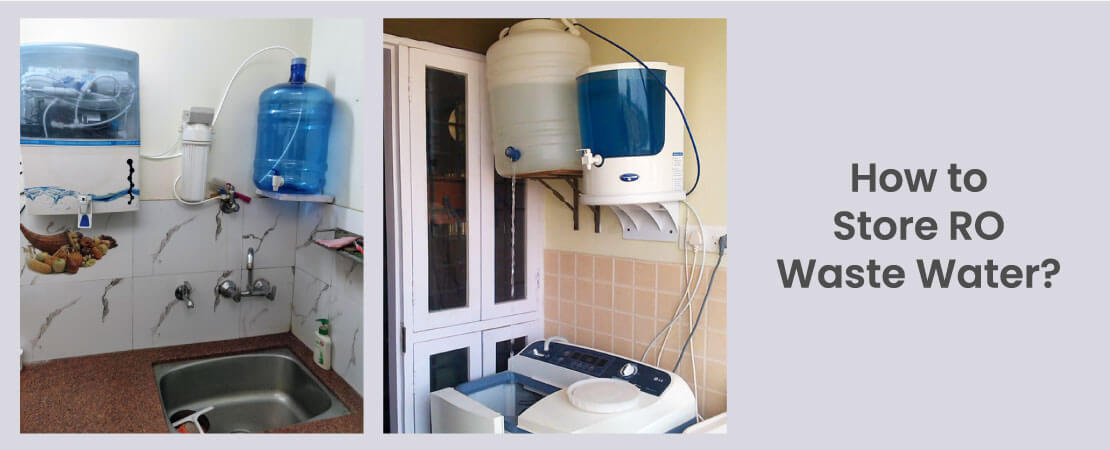
The simplest way of saving this waste water would be to drop the reject water pipe in a storage object. Suppose your daily requirement of drinking water is 20 litres, then on average your purifier would generate around 60 litres of waste water. You can use a 20 litre water can with tape and close lid option. Make a hole in the lid and connect the RO waste water pipe to lid. It is better to connect a pipe in tape towards down to prevent spilling of water from height.

Easy Ways to Re-use RO Waste Water

Utilize RO waste water for watering your plants.

1. Use the RO Waste Water for watering your plants

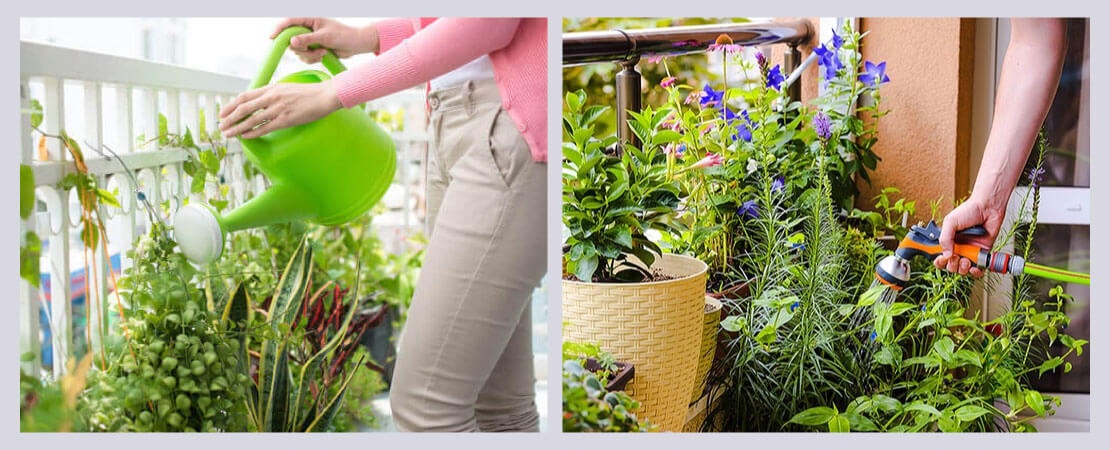
Waste RO water can be used for watering plants. But as this is usually high in TDS, it is better to dilute it with normal tap water and then use it. Because high TDS water can reduce the fertility of soil in the long term. To be on the safer side, you can start with a few plants. Use the RO waste water for 15-20 days and check its effect on the plant’s growth. Each plant will respond to this change in a different way, which will give you an understanding of which plants are responding better to RO waste water.

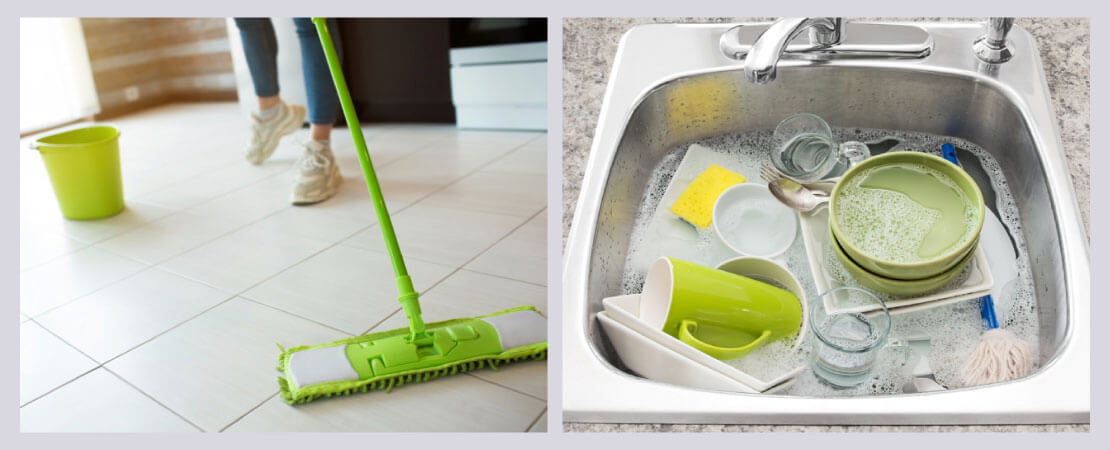
Use of RO reject water for Floor mopping and soaking utensils will save lots of clean water.

2. Use it for Household Chores

Using the RO waste water for mopping the floor is easy and will save litres of clean water every day. Mix the RO waste water with fresh water, and use it for mopping floors. Make sure to dilute it properly because TDS content may lead to some salt deposition on the floor. You can also reuse the RO waste water for your used utensils after every meal. You can certainly use the water to soak the used utensils so that the food stuck on the surface won’t dry up and can easily be removed during washing. But, washing of utensils should only be done with fresh water.

You can also use it for daily use clothes, but do keep in mind that delicate fabrics may not react well to the TDS content and other materials in the water.

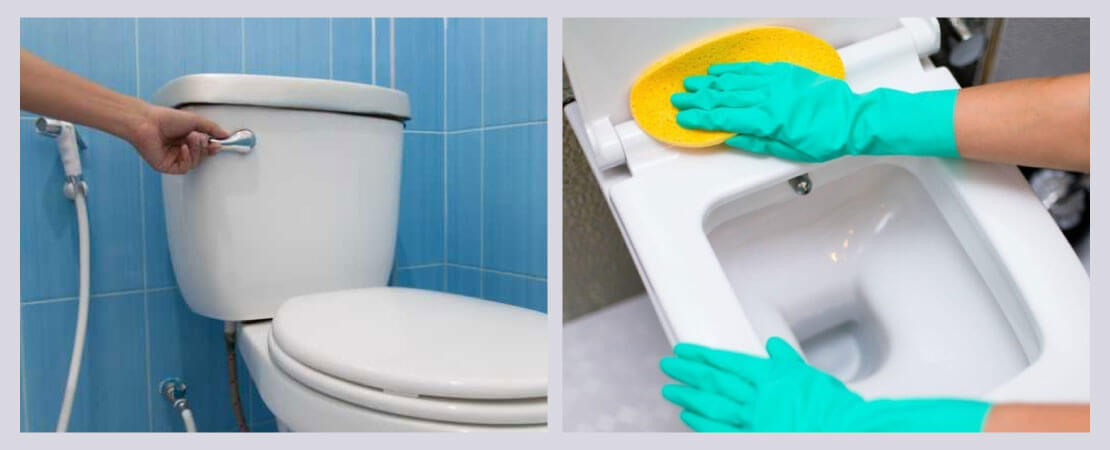
Make use of RO waste water for toilet flushing & cleaning toilets.

3. Toilet flushing and cleaning

While it cannot be used for bathing, you can use the filter waste for toilet flushing and cleaning. Flushing takes up nearly 6 to 7 liters of water which directly goes down the drain. It is a massive amount considering the number of times we flush daily. You can limit this normal tap water wastage by using the waste water for flushing. Pour it down the cistern of the toilet to utilize it efficiently.

Additionally, It can be diluted with regular freshwater to clean porcelain tiles, bathroom fixtures, faucets and the toilet seat. This is done to avoid discoloration, or deposition of salt on the fixtures or others. You must though, always monitor for any signs. To avoid damage, we suggest using this method for periodical clean-ups only.

4. Sewage pipe cleaning

The waste RO water can be used to clean sewage pipes at home or in the kitchen, as it has a high saline content.

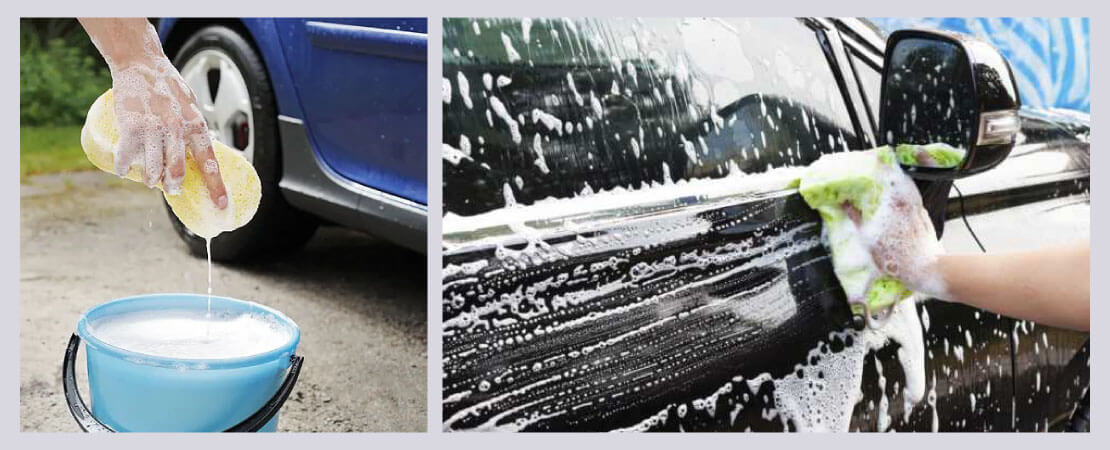
Wash and clean your car with RO waste water.

5. Utilize it for Car wash

This is probably the best use of the reject water from the RO machine. Washing up a car requires a substantial amount of water. And using your RO waste water for this purpose makes sense. You can mix the waste water with fresh water to give your car a good wash. Hence, you can not only clean your car but also end up saving a lot of water.

Make use of RO reject water for bathing your pet.

6. Bathing pets

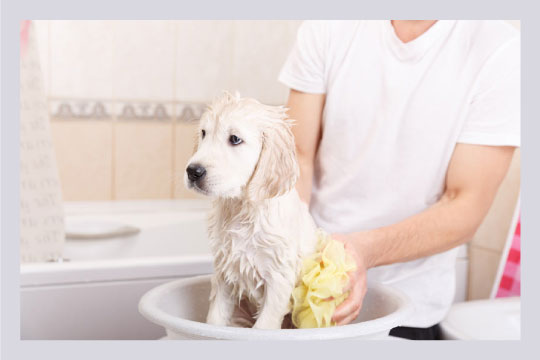
Rejected RO water can also be used to bath your pet. But always dilute it with the same amount of normal tap water before doing this. You should also dry your pet after bathing.

Apart from above-mentioned points, you can use the waste water to refill your room cooler as well during the summer.

Conclusion

Using these simple tips, we can end up saving a lot of water. These little ideas will conserve water that can make a world of difference if everyone adopts them. Since we all know that there is a severe shortage of water throughout the world, we all must develop these practices in our routine to conserve water. Remember that every drop counts and is precious!

RERA-K to ensure online allocation of cases

Amidst allegations from sections of homebuyers of weak implementation of the RERA Act, the Real Estate Regulatory Authority, Karnataka (RERA-K) is preparing to put in place an online system of allocation of cases, which, it says, will result in impartial allotment of cases.

RERA-K Secretary K.S. Latha Kumari told The Hindu, “Some people raise questions about the Chairman allotting cases manually. Now we are developing a software where case allocation will be done online and on rotational basis to benches without any human intervention. This will be allotted as and when cases come to the available benches. This will mean impartial allotment. It has already been developed, but it has to be clubbed with our existing complaint model. It should be put in place in another two to three weeks.”

The authority put out a notification in November about the constitution of four benches, in addition to the existing three-member authority. “Considering the number of pendency of complaints, a decision has been taken to create additional benches under Section 81 to delegate powers of the authority under the RERA Act on the chairman and members separately by creating the benches,” the notification signed by Ms. Latha Kumari said.

There are over 2,000 pending cases with the authority, she said, and disposal of cases under the old arrangement was time-consuming. Creation of additional benches will ensure speedy disposal of cases, she added.

Meanwhile, the Forum for People’s Collective Efforts, an NGO formerly known as the ‘Fight for RERA’ movement, has written to the Chief Secretary of the Karnataka government requesting a meeting to discuss the functioning of RERA-K. In the letter, they have alleged that RERA Act implementation has not been tracked or reviewed since 2017, when it was first implemented.

“The functioning of RERA-K has reached new lows and differences have cropped up among members of the authority, impacting the very purpose of the Act,” they have alleged, adding that there is “no protection for homebuyers.”

However, the RERA-K Secretary has denied all allegations. Ms. Latha Kumari said the authority is functioning as per rules and regulations. “Administratively, RERA-K is one of the best in the country,” she added.

Source: https://www.thehindu.com/news/cities/bangalore/rera-k-to-ensure-online-allocation-of-cases/article33060534.ece

Inspect before Renovate: How & Why

  • Essential things that need to be checked prior to Renovation work
    1. Leaky Pipes & Faulty Plumbing
    2. Signs of Moisture
    3. Presence of Cracks
    4. Broken or Damaged Tiles
    5. Waterproofing of the Terrace
    6. Pest / Termite Infestation
    7. Sealing all Gaps in Home
    8. Electrical & Safety Checkup
  • Why You Should Get a Home Inspection Before Renovation?

Many homeowners choose to renovate their home or office to give it a whole new look or simply to give more value to their property by enhancing its interior. To improve the home’s value, fix a safety issue, adding a room for fulfilling requirements are other few reasons to renovate home. Depending on an individual homeowner, the reasons may vary.

While a renovation1 may be the best solution for your household, this does not mean it is a task you should take on lightly. Renovating your home can provide your family with the space you need and the beautiful home you want, but it requires careful planning and organization. Before renovating your home or beginning any work which will alter the structure/element, there are some important things which you must consider.

Before deciding the time and budget to renovate your house, a thorough inspection of all the areas of your home is a must. It would be better to evaluate or understand the existing conditions before renovation. Without knowing it, making changes can create problem and will add an extra cost if any mistakes happen.

Here the essential elements you will need to inspect before you start the exciting part of renovating your home.

Essential things that need to be Checked or Inspected prior to Renovation work

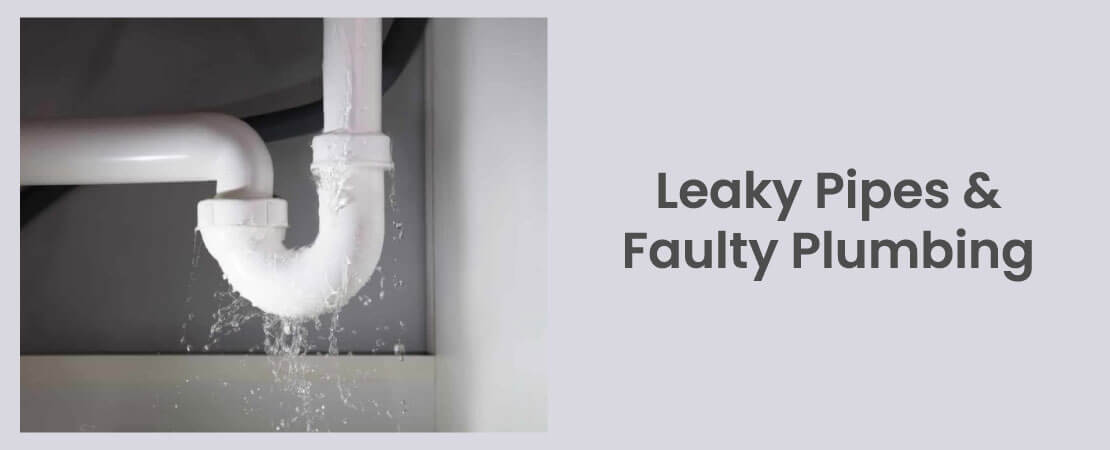
1. Leaky Pipes & Faulty Plumbing

Leaky pipes not only cause damage to your home, but can prove expensive as well in the long run. Faulty plumbing includes loose fittings or improper installation which also will cause leakage problems. You will need to inspect leaky pipes and check plumbing issues before going through the process of renovating your home, otherwise you may have to stop renovation or redo them in order to access the pipes. This can lead to wastage of time & money.

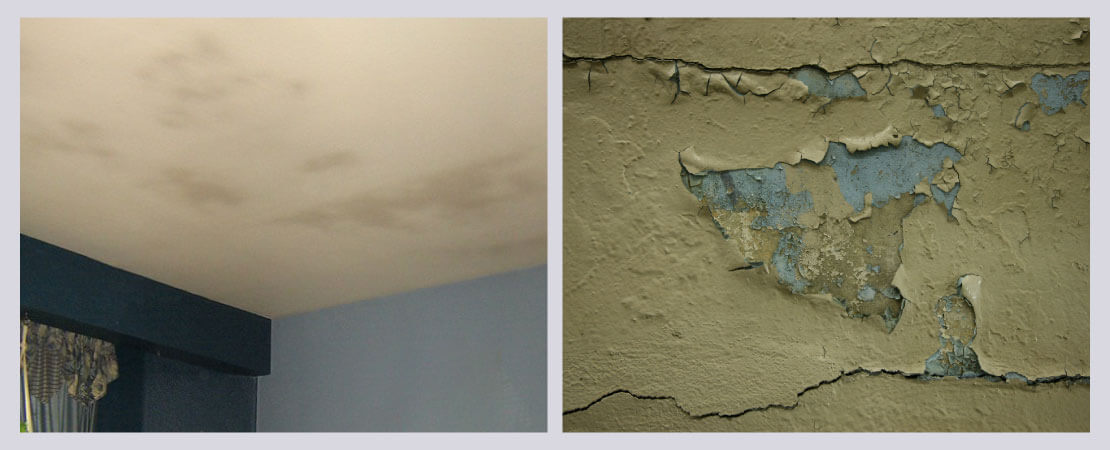
2. Signs of Moisture

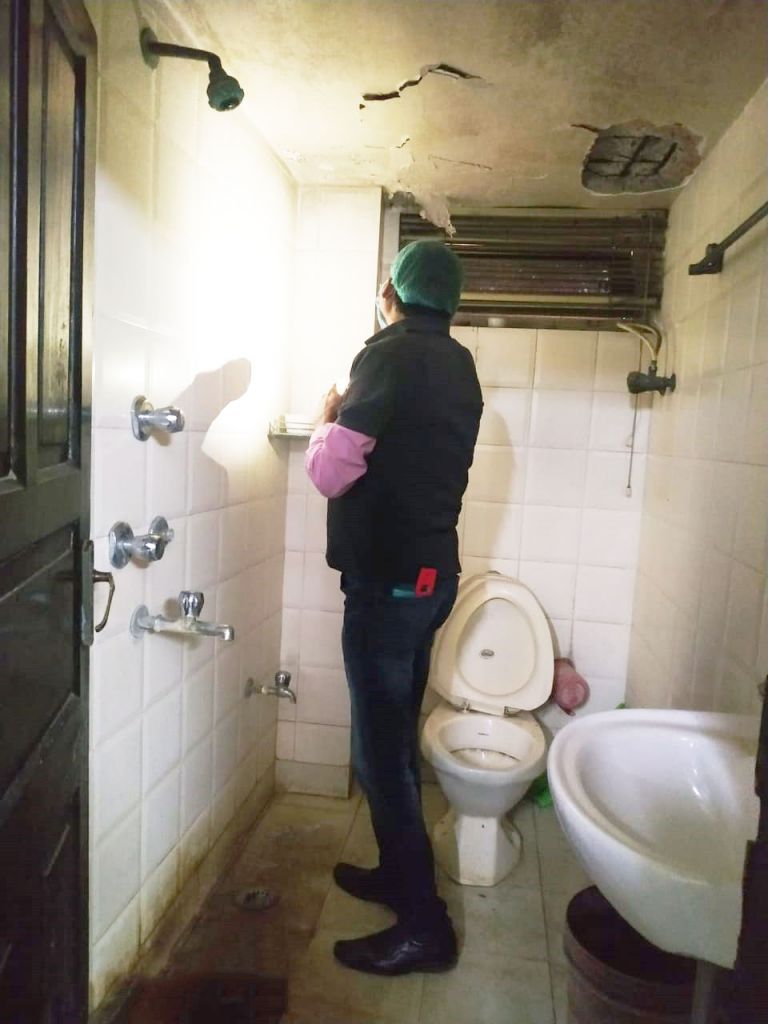
For a homeowner, moisture is one of the most common and annoying problems you can face. Moisture / Dampness in buildings is a major factor that contributes to mould growth, unhealthy buildings, and poor indoor air quality. It is one of the most important agents of building deterioration. It is crucial to check out signs of moisture early and also repair them before renovation. Dark patches, peeling off or other paint deterioration, damp and musty odour, visible water stains or discolouration are few signs of moisture for home.

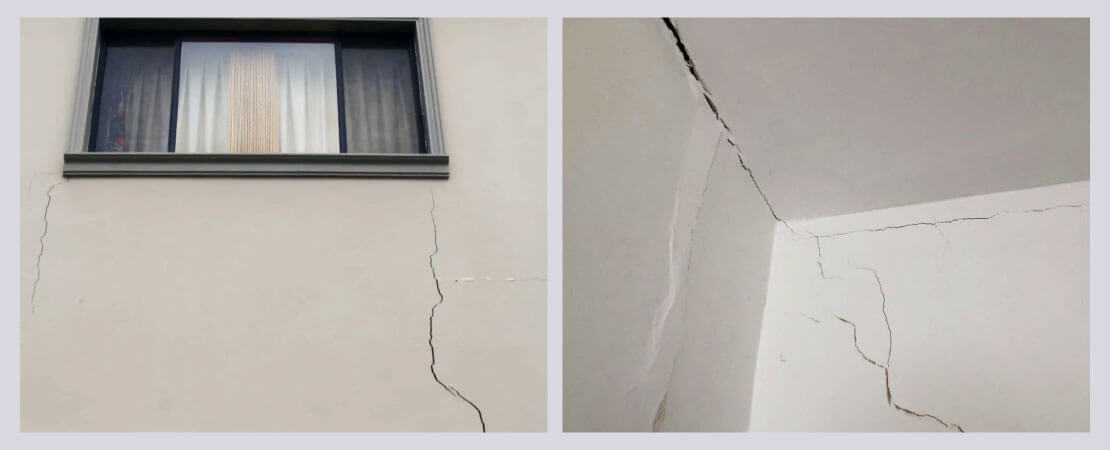
3. Presence of Cracks

Presence of Crack on external or internal wall surfaces may be a sign that there is some problem. An occurrence of the building cracks is often a subject of concern as it can cause further problems like moisture intrusion and weakening the structural integrity of your home if left unnoticed.

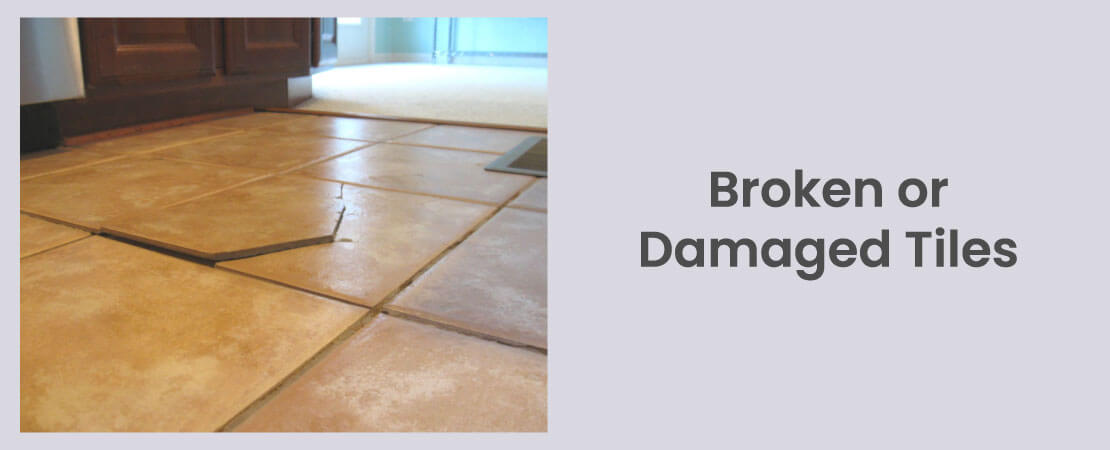
4. Broken or Damaged Tiles

Over time, the tiles can become chipped, cracked, broken, or loose. This not only affects the aesthetics of the room but allows moisture to accumulate behind them that will affect the associated areas and add a repair cost.

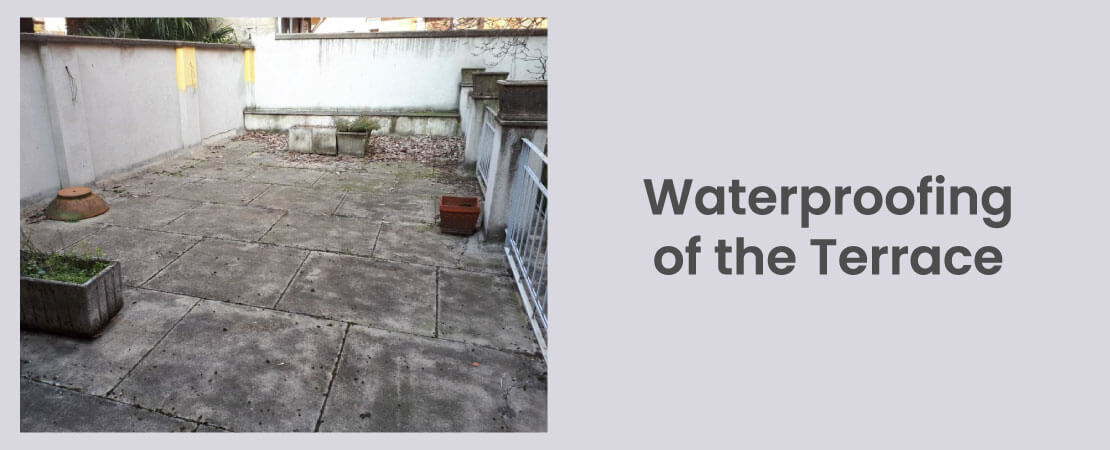
5. Waterproofing of the Terrace

No matter where you live – in an apartment, a single or multi-storey home, water can cause extensive damage to your home, especially areas that are below the roof in case of damaged waterproofing.

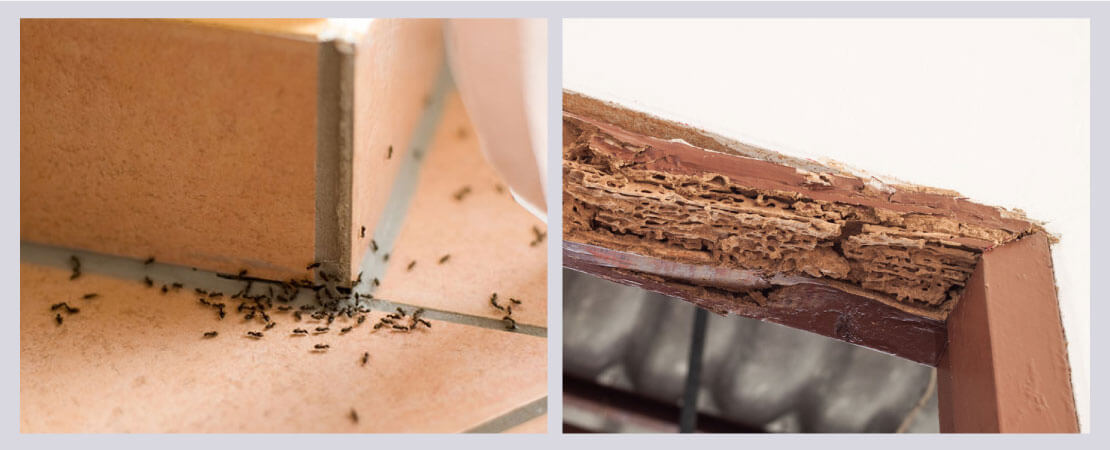
6. Pest / Termite Infestation

If your area already has pests, such as rats, ants or termites etc, then conducting an inspection to find the source before your renovation would be a wise decision. This is because it will uncover any areas of your home that are damaged, prevent further infestation, and stop the spread of it. This is beneficial to check before renovation because you can replace or repair any areas of your home that is causing an infestation.

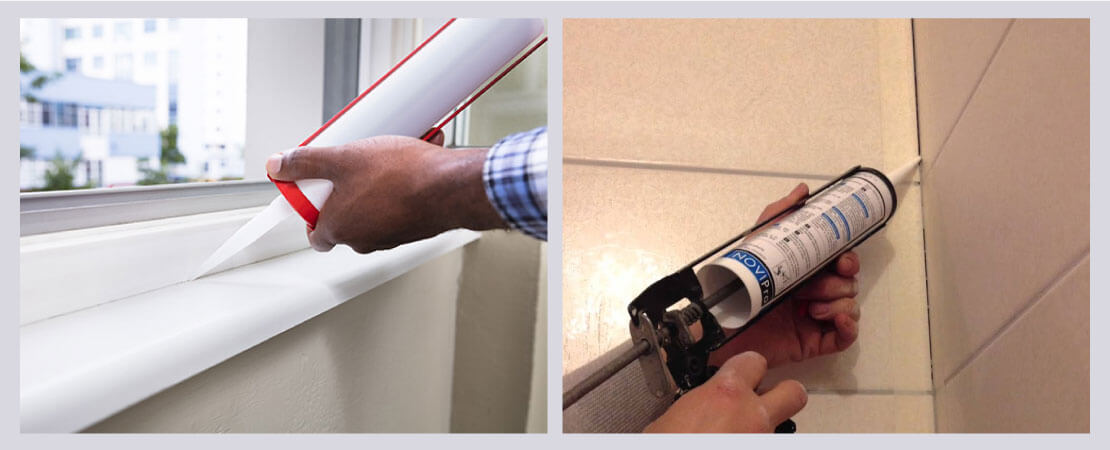
7. Sealing all Gaps in Home

It is important to check out and seal all unwanted gaps (window frame-wall joints, tile joints, kitchen / bathroom gratings, etc) in homes with proper sealant or grout depending on the requirement and condition. It is important to seal the gaps to avoid moisture intrusion which will result in further damage to the home/property.

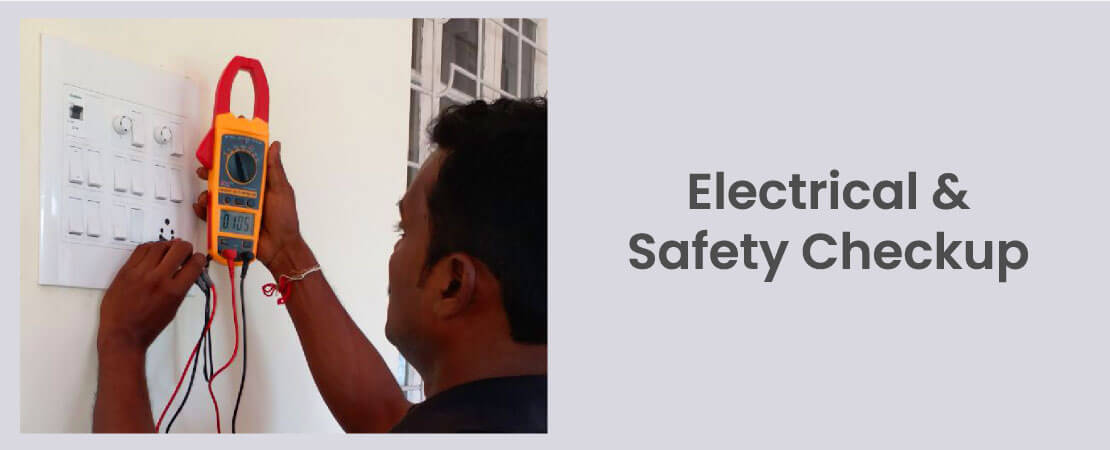
8. Electrical & Safety Checkup

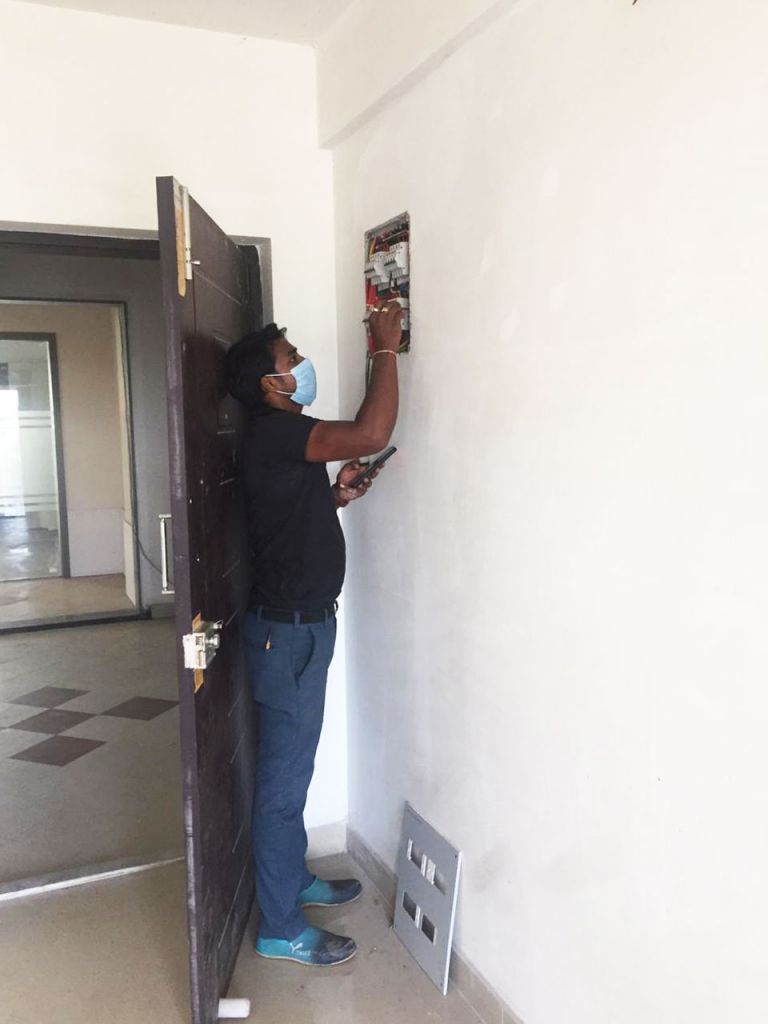
Another important point to consider when renovating the house is checking the electrical wirings: load balancing, wire gauge, uninsulated wires & other related parameter; switch boards; safety concerns due to improper location of electrical outlets etc. Ensuring electrical safety at home is significant before beginning renovation.

To inspect above-mentioned points, it is always better to opt for Home/Property inspection which will provide a report of the current condition of basic elements with related issues along with long term solutions. This will be quite helpful while planning renovation or remodeling work.

Many of us are not aware of the main reasons why Home inspection should be opted for, before renovation. Let’s learn about it:

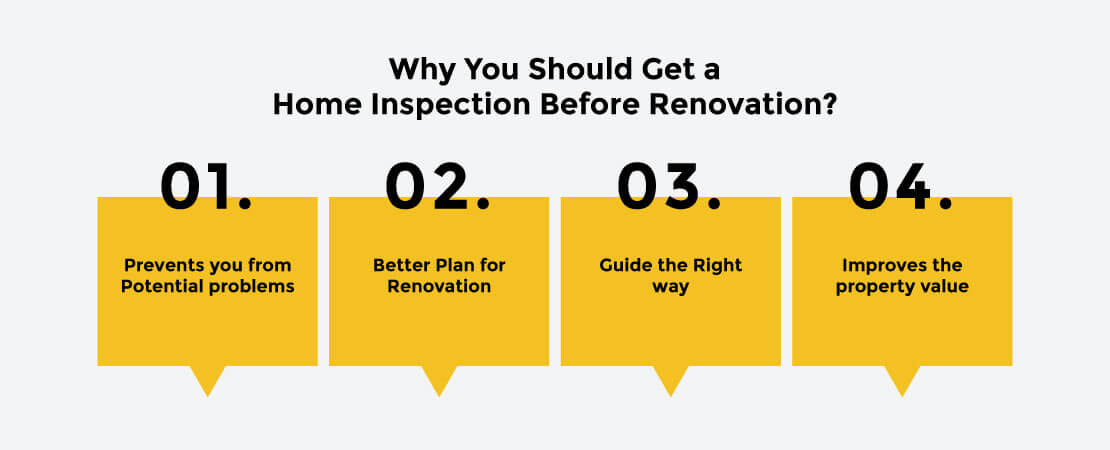
Why You Should Get a Home Inspection Before Renovation?

A home inspection before the renovation is done to identify any issues before the restoration begins. Renovations are an exciting way to re-decorate your home, but it can also become very challenging which requires proper planning and expert’s advice. Here are some important reasons below:

  • Prevents you from Potential problems: Getting a professional home inspection done to look for potential issues and probably prevent it from happening during your renovation is vital. A Home inspection will reveal hidden hazards and issues like safety hazard, concealed leakage, etc. With help of an inspection report, you can prevent future problems and hassles. Without home inspection, you can end up losing time & money and property damage during the home renovation.
  • Better Plan for Renovation: When you know about the issues in your existing home, you can then fix and address those issues at the right time. And when you know to fix in the beginning, things get done better, faster, economically and easier. Thereby you can plan better and easily for renovation work.
  • Guide the Right way: Home inspection will tell you what needs to be corrected first in your home/property. This will ensure that your money is spent in the right place. After getting repair done, you can get your house renovated in the right way.
  • Improves the property value: If you are renovating to sell the house at a good amount, then a home inspection may give you a lot more information than just renovation-related. This will help maximize the value, as you will re-condition your house in a way that will please the potential buyers. A home inspection will improve value by giving buyers peace of mind that comes from knowing the fact that the home they are buying is a safe and healthy home.

Conclusion

A Home inspection Report allows you to get a thorough understanding of the current state of your property, how to proceed if there are faults discovered. Also, Home inspection professionals can guide you about what a renovation will need. It is important to assess the condition of your home with a professional home inspector to determine if there are significant underlying problems that must be addressed before or during your renovation work.

Reference links used:
1. https://en.wikipedia.org/wiki/Renovation